From Curiosity to Conservation: My Journey Protecting Coastal and Wetland Biodiversity
Published in Ecology & Evolution

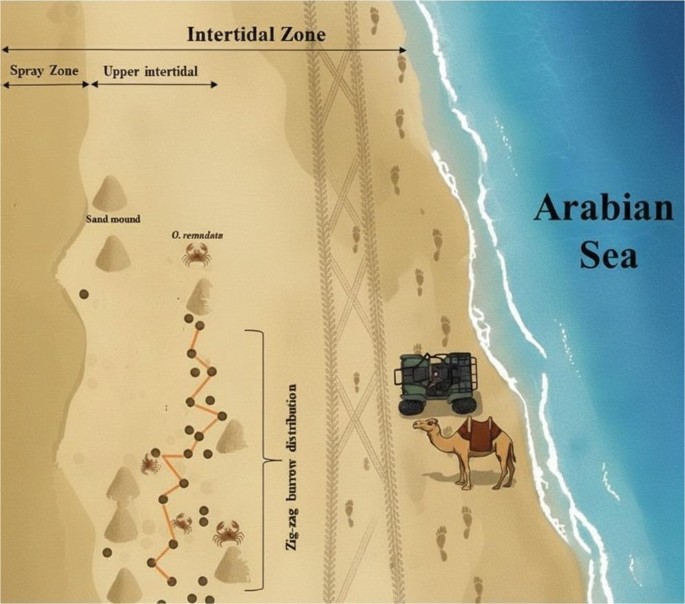

My fascination with wetlands and coastal ecosystems began during field visits to western India. What initially appeared to be barren mudflats, salt marshes, and seasonal water bodies soon revealed an incredible diversity of life. Migratory birds, fish, crustaceans, reptiles, and countless smaller organisms depended on these habitats for survival.
As I spent more time in the field, I realized that these ecosystems support not only wildlife but also local communities that rely on them for fishing, grazing, salt production, and other livelihoods. This realization inspired me to better understand these landscapes and contribute to their conservation.
Exploring Dynamic Ecosystems
Wetlands and coastal habitats are constantly changing. Seasonal rainfall, tidal movements, and temperature fluctuations shape the availability of food, water, and shelter for wildlife. These changes make the ecosystems both productive and vulnerable.
Through biodiversity surveys and habitat assessments, I documented species presence, habitat conditions, and ecological interactions. Every field visit provided new insights into how species adapt to environmental changes and how ecosystems function as interconnected systems.
Learning from Local Communities
One of the most valuable aspects of this journey has been engaging with local communities. Residents possess generations of knowledge about seasonal changes, wildlife movements, and ecosystem dynamics.
Their observations often complemented scientific findings and helped identify conservation priorities. These interactions reinforced the importance of combining scientific research with local knowledge to achieve effective conservation outcomes.
Challenges and Discoveries
Fieldwork in coastal and wetland environments comes with many challenges. Extreme weather conditions, difficult terrain, and seasonal accessibility often required flexibility and patience. Despite these obstacles, the experience was rewarding.
Among the most memorable moments were observing migratory birds using critical stopover habitats, documenting species in areas with limited previous records, and witnessing the resilience of ecosystems recovering from environmental stress.
Why Conservation Matters
Wetlands and coastal habitats provide essential ecosystem services. They support biodiversity, improve water quality, store carbon, reduce erosion, and help communities adapt to climate-related challenges.
However, these ecosystems face increasing pressures from habitat degradation, unsustainable resource use, and climate change. Protecting them requires collaborative action involving researchers, communities, policymakers, and conservation organizations.
Lessons Learned
This project taught me that conservation is as much about people as it is about wildlife. Long-term success depends on understanding ecological processes, building local partnerships, and fostering stewardship among communities.
Every survey, community discussion, and field observation strengthened my appreciation for these remarkable ecosystems and the need to protect them for future generations.
Looking Ahead
The journey continues. Future efforts will focus on strengthening biodiversity monitoring, supporting community-led conservation initiatives, and generating scientific evidence that can guide management and policy decisions. By working together, we can help ensure that wetlands and coastal ecosystems remain healthy, resilient, and rich in biodiversity.
Follow the Topic
-
Thalassas: An International Journal of Marine Sciences
This is an international journal devoted to multidisciplinary studies in marine sciences.