From Global Action Areas to Local Ecosystems: Rethinking Cultural Resilience
Published in Social Sciences

In 2022, UNESCO and the Department of Culture and Tourism – Abu Dhabi (DCT) came together to chart a roadmap for a holistic and integrated approach to support the sector’s sustainable and inclusive revival. Revisiting this work today brings warm memories of that collective effort, to which our team actively contributed. The insights from this global-scale analysis, spanning all regions and cultural domains, informed our 2022 research on Abu Dhabi's visual arts ecosystem. These findings remain highly relevant and will undoubtedly inspire the forthcoming conversations.
Figure 1: The Culture in Times of COVID-19: Resilience, Recovery and Revival report (2022)
The Culture in Times of COVID-19: Resilience, Recovery and Revival report proposes an integrated policy framework that reimagines and repositions culture as a foundation for a more inclusive, diverse, and sustainable society and economy. It also sets out a proactive and strategic approach, identifying five key Action Areas designed to build a more resilient and sustainable culture sector.
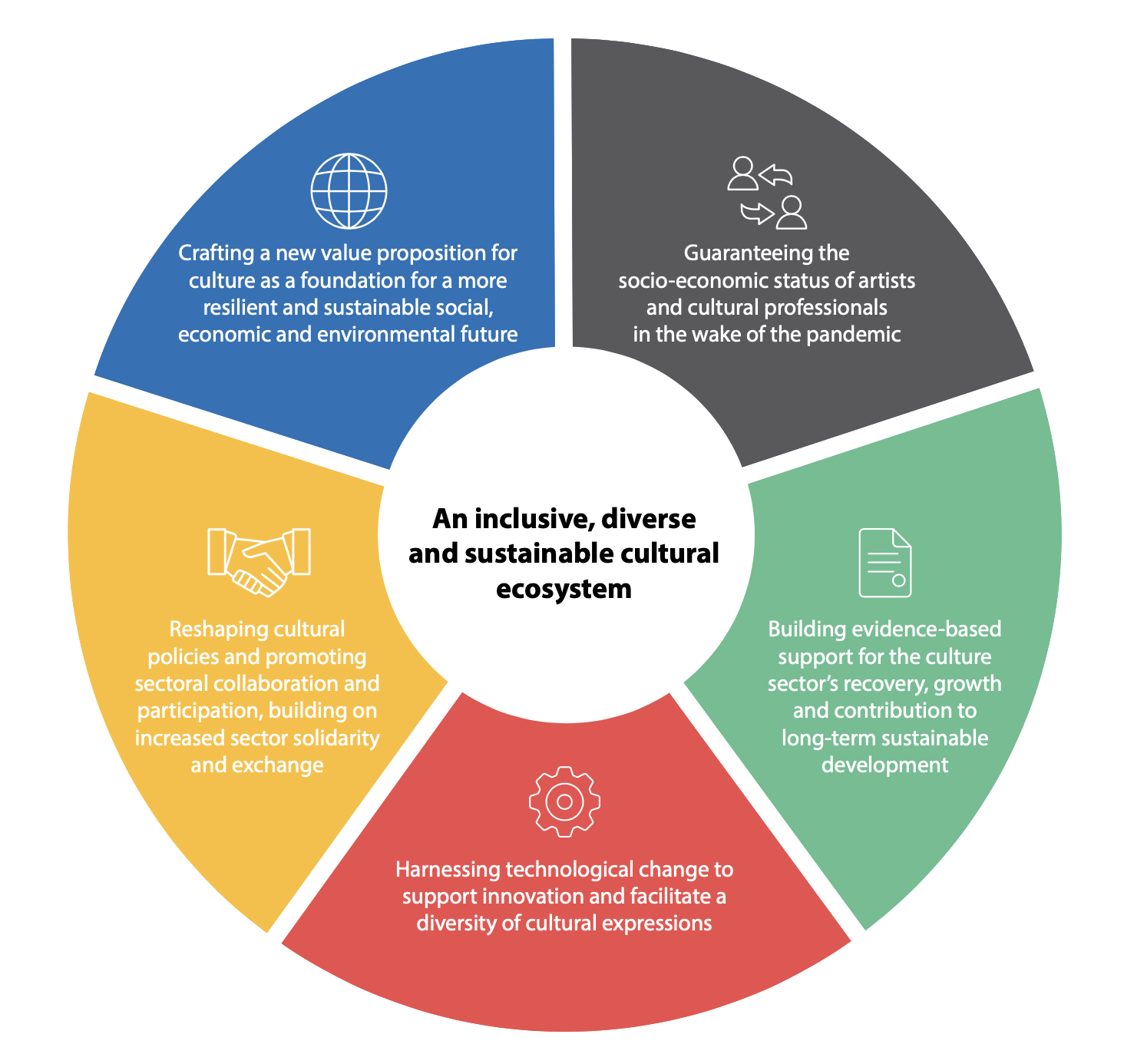
Figure 2: Five interlinked Action Areas identified in the UNESCO–DCT Abu Dhabi report
First, securing the socio-economic status of artists and cultural professionals requires stronger labor protections, fair remuneration, access to social benefits, and sustained investment in skills and career development - ensuring that cultural workers can better withstand periods of uncertainty and disruption.
Second, evidence-based policymaking must be strengthened. While significant gaps in cultural data - globally ranging from employment and income to audience behavior - continue to limit informed decision-making, the existing measurement systems are increasingly moving toward approaches that reveal culture as a systemic, value-creating element. Newly adopted 2025 UNESCO Framework for Cultural Statistics enables the measurement of a wide range of cultural expressions, irrespective of the economic or social mode of their production, through a focus on Cultural and Creative Ecosystems (CCEs).
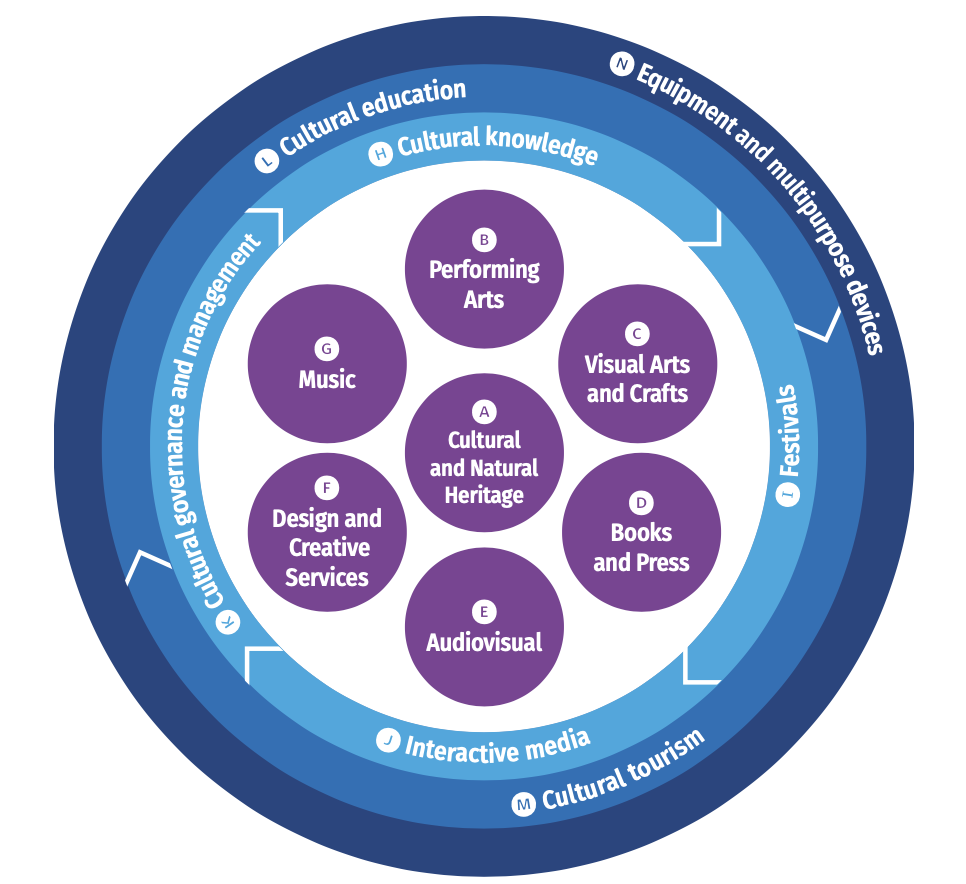
Figure 3: The 2025 UNESCO FCS approach introduces methodological innovation and develops an updated cultural value-generation model to better represent the ways in which economic, natural, human, and social capitals are created through the complex synergies established by the diverse stakeholders in various CCEs.
Third, the sector must harness technological transformation more equitably. While digital acceleration has opened new opportunities for creation and access, it has also deepened inequalities. Bridging the digital divide - through infrastructure, skills, and appropriate regulatory frameworks - is essential to ensure that technological innovation supports the diversity of cultural expressions and strengthens the articulation between the “local” and the “global.”
Fourth, cultural governance needs to be reshaped through collaboration and participation. More inclusive and participatory cultural and creative ecosystem (CCE) policy frameworks can foster stronger systems, where public institutions, private actors, and civil society co-create sustainable cultural futures.
Finally, culture’s value must be redefined beyond its economic contribution, recognizing it as a public good central to social cohesion, well-being, and environmental sustainability. Cultural and creative ecosystems operate at the intersection of market dynamics and public structures, with their long-term sustainability depending on how these forces interact locally. As a cumulative investment - particularly in youth and future generations - culture is embedded across sectors, from healthcare to construction, and plays a key role in advancing inclusive growth, environmental resilience, and future-ready governance in line with the 2030 Agenda for Sustainable Development.
Together, these five Action Areas point toward a cultural paradigm that is not only more resilient in the face of crisis, but also more equitable, diverse, and deeply embedded in the fabric of sustainable development. Several research publications have since interlaced these conceptual dimensions with empirical evidence, further grounding this paradigm in practice.
The Visual Arts in Abu Dhabi: Ecosystem Capabilities and Areas of Action to Support and Strengthen that Ecosystem report (2022) offers a comprehensive analysis of the elements shaping Abu Dhabi’s visual arts ecosystem and puts forward targeted recommendations to guide policy development and implementation. It adopts an integrated perspective, examining how cultural ecosystems function through interconnected structures, resources, and relationships, while emphasizing the importance of human interactions as a key driver of artistic and institutional vitality.
 |
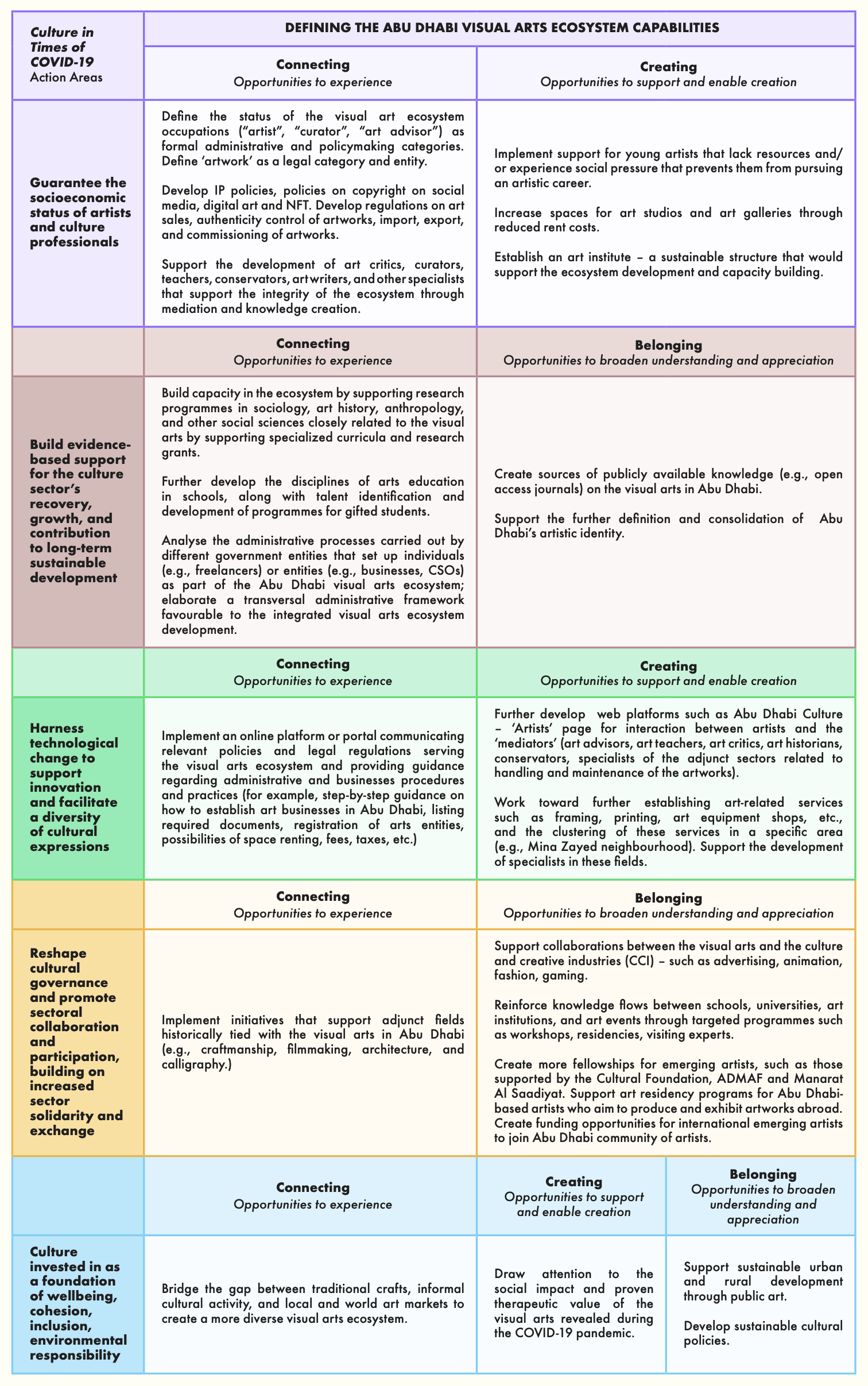 |
Figures 4 and 5: The Visual Arts in Abu Dhabi: Ecosystem Capabilities and Areas of Action to Support and Strengthen that Ecosystem report (DCT Abu Dhabi, 2022) and its analytical framework aligned with the five Action Areas identified in Culture in Times of COVID-19: Resilience, Recovery and Revival report
Framed within this broader post-crisis policy context, the report aligns its analysis with a strategic vision that repositions culture as a foundation for a more inclusive, diverse, and sustainable society and economy. It connects local ecosystem needs with the five overarching Action Areas, reinforcing their relevance for long-term sector development.
The findings identify three core dimensions that define the Abu Dhabi visual arts ecosystem and highlight priority areas for support.
- Connecting focuses on improving access and integration - through regulatory frameworks, education, and stronger links between artists, institutions, and audiences.
- Creating emphasizes enabling artistic production by supporting resources, spaces, training, and opportunities for collaboration, particularly for emerging artists.
- Belonging addresses the development of a shared cultural identity, fostering opportunities to broaden understanding and appreciation of the Abu Dhabi visual arts ecosystem.
Together, these dimensions provide a structured yet flexible framework to inform policies that can nurture a more cohesive, dynamic, and sustainable visual arts ecosystem.
Core references:
-
UNESCO & Department of Culture and Tourism – Abu Dhabi. (2022). Culture in times of COVID-19: Resilience, recovery and revival. https://unesdoc.unesco.org/ark:/48223/pf0000381524
-
Department of Culture and Tourism – Abu Dhabi. (2022). Visual arts in Abu Dhabi: Ecosystem capabilities and areas of action to support and strengthen that ecosystem. https://zenodo.org/records/10275670
🟣 I am a Russian-French scholar and administrator with 10+ years of international experience across public, academic, and multilateral sectors.
🇦🇪 Current Role
Head of Research and Analysis Unit
Department of Culture and Tourism – Abu Dhabi | 2019–present
Since 2019, I have led the Research and Analysis Unit, heading CultureSTATS-AD, the MENA region’s pioneering culture research and evidence-based policymaking program.
Key achievements
• Designed and operationalized culture measurement frameworks adopted by government strategy and policy units, informing resource allocation and governance outcomes
• Authored 20+ research reports supporting cultural policy and decision-making, formally recognized in 2025 as part of UAE’s intellectual heritage
• Published peer-reviewed research in Quality & Quantity (2021) and Humanities & Social Sciences Communications (Nature, 2024); the latter ranked in the top 10% (94th percentile) of all outputs tracked by Altmetric
• Conceived and launched the biennial Abu Dhabi Culture Population Survey
• Developed the region’s first Register of Cultural Organizations and Professionals
• Established baseline indicators supporting Abu Dhabi’s positioning in international cultural rankings
• Collaborated with UNESCO, OECD, IFACCA, WCCF, ENCATC, and the Mori Memorial Foundation on research, policy, and comparative measurement initiatives
• Built the CultureSTATS-AD program from the ground up, overseeing HR, finance, and procurement
💼 Previous Roles
• Research Fellow, National Centre for Scientific Research (CNRS), France (2015)
• Post-doctoral Researcher, University of Avignon, France (2014)
• Lecturer, School for Advanced Studies in the Social Sciences (EHESS), France (2013)
• Visiting Researcher, Italy, Sweden, and Poland
✍️ Contributions & Editorial Engagements
• Contributor: World Economic Forum; Springer Nature Research Communities; ET Edge Insights (India); AgenziaCult (Italy); WeiyangX (China)
• Reviewer: Quality & Quantity (Q1); Humanities & Social Sciences Communications (Q1)
📚 Education
• PhD in Sociology, EHESS, Paris (2014)
• Specialist Degree in Public International Law, Moscow State University (2009)
🌍 Affiliations
• Member, Academic Advisory Board, IAFOR (Japan)
• Visiting Lecturer & Associate Researcher, IIM Rohtak (India)
• Fellow, Royal Society of Arts (RSA)
Please sign in or register for FREE
If you are a registered user on Research Communities by Springer Nature, please sign in