From iPSCs to functional mini-livers: solving one challenge revealed the next
Published in Cell & Molecular Biology and General & Internal Medicine



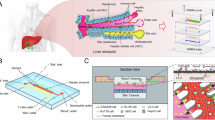

Currently, there are many published differentiation protocols to generate hepatocyte-like cells from induced pluripotent stem cells (iPSCs). However, generating cells that truly behave like adult human hepatocytes remains much more challenging. This gap between hepatic identity and hepatic function was the starting point of our study, “Six-Compound Cocktail for Maturation of Human Pluripotent Stem Cell Derived Liver Spheroids for Toxicity Prediction”, recently published in Nature Communications (https://doi.org/10.1038/s41467-026-76936-z).
The need for better human liver models is becoming increasingly important. Human-relevant in vitro systems, including organoids and microphysiological systems, are receiving growing attention as New Approach Methodologies (NAMs) for drug development and toxicology. Regulatory agencies such as the FDA and the EMA are also increasingly involved in standardization, defining context of use and establishing road maps for implementation of NAMs in the drug development process. Primary human hepatocytes remain an important benchmark, but their availability is limited, they show substantial donor-to-donor variability, and they can rapidly lose function in culture. iPSCs offer a different possibility: a renewable source of cells that preserves the genetic background of individual donors and could ultimately support patient-specific studies of drug responses and liver disease.
The major obstacle is functional maturation. iPSC-derived hepatocytes can express hepatic markers and resemble hepatocytes morphologically, yet their drug-metabolizing capacity, particularly cytochrome P450 activity, is often far below that of adult hepatocytes. Rather than developing another complete differentiation protocol, we decided to focus specifically on this maturation problem.
We screened compounds targeting different signaling pathways and cellular functions using iPSC-derived liver spheroids. 3D culture allowed us to test multiple conditions while maintaining extensive cell-cell interactions in a more tissue-like environment. During the screening, however, several compounds previously reported to promote hepatic function did not produce the effects we expected. Initially this was frustrating, but it led us to an important realization: the response to a compound depends strongly on the developmental stage of the cells.
After methodically testing different combinations of factors targeting important cell function and maturation pathways, we identified six compounds that together produced a strong maturation effect, and we named the combination HDC6. Importantly, HDC6 worked best when applied after the cells had already reached the immature hepatocyte stage. Applying maturation signals earlier, at the hepatic progenitor stage or during the transition toward immature hepatocytes, did not produce the same result. This taught us that maturation is not simply about providing the right molecules; the cells also need to be in the right developmental stage to respond to them.
This finding changed how we viewed the entire differentiation process. Before this study, functional maturation seemed to be the major bottleneck. Many protocols could generate immature hepatocytes, but achieving adult-like function remained difficult. Once HDC6 made maturation more reproducible in our system, another problem became much more obvious: different iPSC lines do not reach the immature hepatocyte stage equally well.
Some iPSC lines readily progress through endoderm formation and hepatic specification, whereas others require much more careful optimization. This variability becomes particularly important when thinking about personalized models. If we eventually want to generate hepatocytes from many different individuals, it is not enough to have a protocol that works well for only a few selected iPSC lines. We need to understand why different lines begin differentiation from different cellular states and how to guide them through the developmental stages at a similar pace. In a sense, solving the maturation problem revealed that reproducible upstream differentiation may be the next major challenge.
Another observation that fascinated us involved cellular metabolism. Pluripotent stem cells rely heavily on glycolysis, whereas mature hepatocytes contain abundant mitochondria and depend strongly on oxidative metabolism. Using Seahorse metabolic analysis, we found that functional maturation was accompanied by increased mitochondrial respiratory capacity and reduced reliance on glycolysis. This raised a question that we are intrigued to answer: is this metabolic shift simply a consequence of hepatocyte maturation, or does activation of mitochondrial metabolism actively help drive maturation? It may also be that metabolic remodeling and differentiation are parallel processes controlled by common regulatory mechanisms.
Importantly, we wanted to determine whether improved maturation actually made the cells more useful. We tested the liver spheroids with drugs of known drug induced liver injury (DILI) potential and found that the matured model improved the ability to distinguish hepatotoxic from comparatively safer compounds. This supported our original hypothesis that improving hepatocyte function can translate into a more relevant platform for drug-safety assessment.
We also introduced iPSC-derived Kupffer cells to investigate the contribution of liver immune cells to the organ model. These cells responded strongly to immune stimulation and released inflammatory cytokines, but their presence did not substantially change the overall DILI profiles of the drugs tested under our experimental conditions. This suggests that additional complexity (for example by adding other immune cell types) might be required for recapitulation of immune mediated toxicities.
Finally, we used the matured spheroids to model metabolic dysfunction-associated steatotic liver disease (MASLD), and were able to show that free fatty acids treatment produced lipid accumulation resembling early-stage steatosis. This lays the foundation for more advanced disease modeling, where progression toward inflammation and fibrosis can be achieved by incorporating additional cell types such as Kupffer cells, stellate cells, endothelial cells and other components of the liver microenvironment.
Our project began with one question: how can we make iPSC-derived hepatocytes more functionally mature? HDC6 gave us a practical answer, but it also revealed several new questions. Once maturation improved, differentiation variability became more important. Once hepatocyte function improved, metabolic remodeling became more intriguing. Once we could model toxicity and steatosis, the limitations of simple single cell type spheroids became clearer.
That is perhaps the most interesting lesson from this study: solving one challenge does not end the story. It allows us to see the next challenge more clearly. Our longer-term goal is to move from functional iPSC-derived hepatocytes toward renewable, genetically defined and eventually patient-specific human liver tissues for drug testing and disease modeling. HDC6 is not the end of that journey, but we hope it provides a useful step forward.
Follow the Topic
-
Nature Communications
An open access, multidisciplinary journal dedicated to publishing high-quality research in all areas of the biological, health, physical, chemical and Earth sciences.

Related Collections
With Collections, you can get published faster and increase your visibility.
Women's Health
Publishing Model: Hybrid
Deadline: Ongoing
Tumor Microenvironment Crosstalk and Therapeutic Implications
Publishing Model: Hybrid
Deadline: Nov 02, 2026