Genes linked with early menopause and the pathogenesis of its associated diseases: A systematic review
Published in Social Sciences
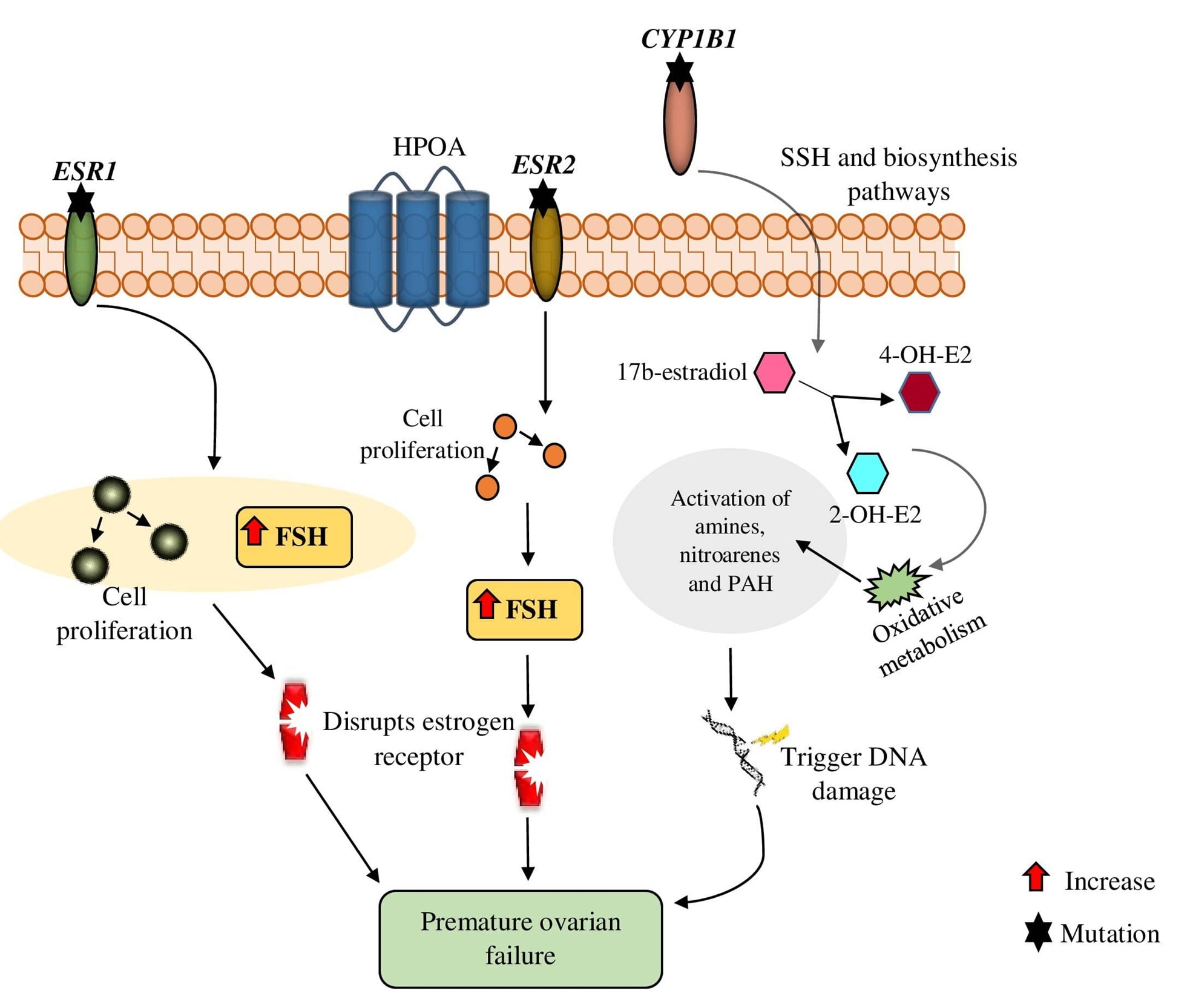
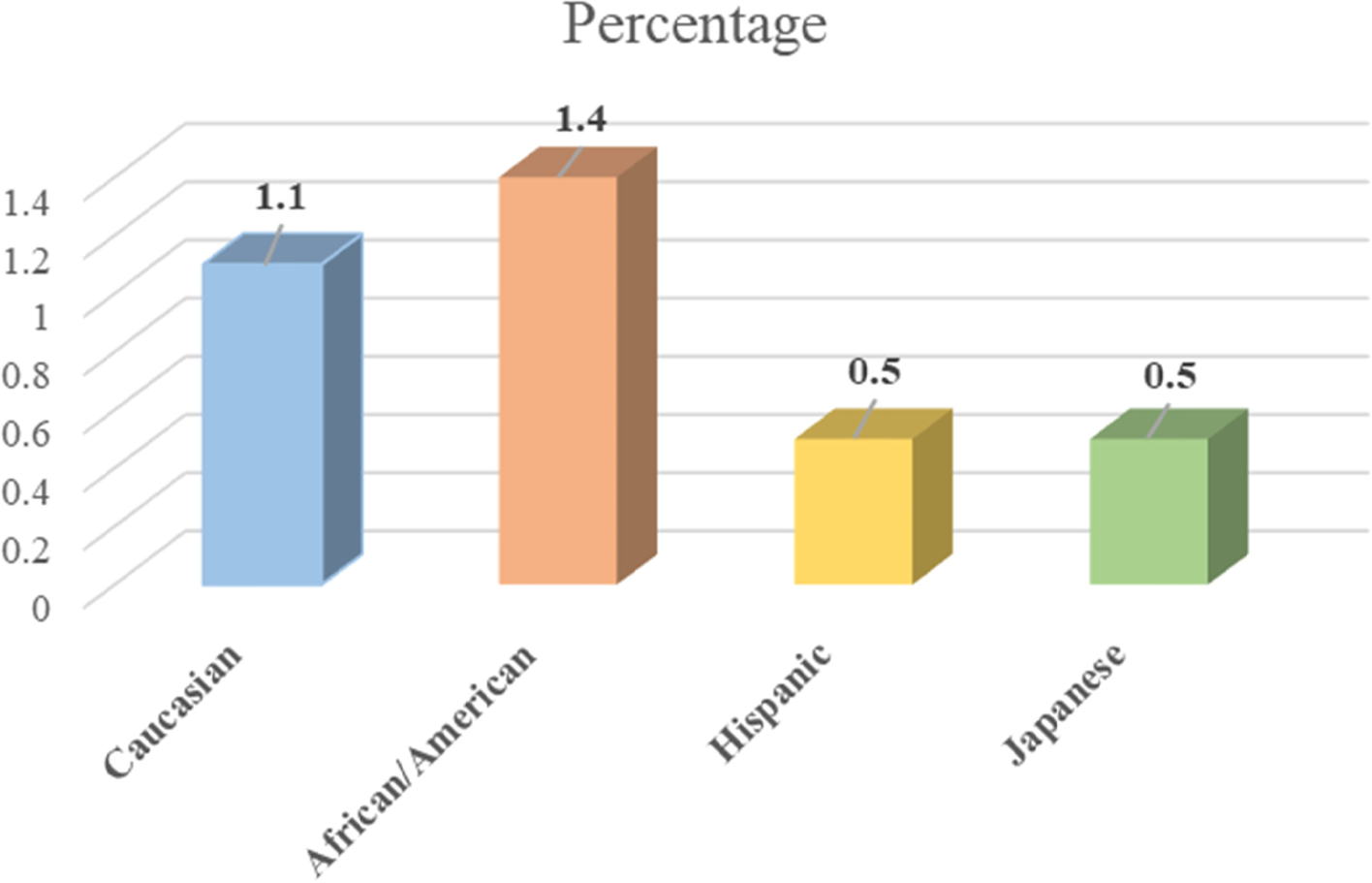
Early menopause is a condition in which a woman stops her menstrual cycle, typically occurring in the late 40s to early 50s; the reason can be genetic. The incidence rate of 5-10 % in the world at 40-45 years of age in women, if the release of gonadotropins in the brain's hypothalamus at that time were changed, the sexual hormone deficiency would begin to initiate and lead to reproductive dysfunction. Over recent years, the genetic intention has been to help identify genes and their disease association with early menopause and its metabolic pathways involved in primary ovarian failure, so in most cases, the pathogenic mechanism is still unknown. It is also claimed that women with premature or early menopause have developed diseases such as mental illness, cardiovascular disease, neurological disorders, reproductive disorders, and osteoporosis. In the future, these study mechanisms will provide early detection and identification of specific genomic-level inadequacies associated with EM, which can provide a better prospect for the early interruption and focus on potential targets for a therapeutic approach.