Harnessing Remote Sensing and Geospatial Data Science to Tackle Natural Disasters
Published in Earth & Environment and Computational Sciences

The frequency and severity of natural disasters have significantly increased in recent years, driven by climate change, urbanization, and various environmental factors. From devastating hurricanes and floods to widespread wildfires, landslides, and earthquakes, these disasters pose serious challenges to the safety and sustainability of communities.
We are committed to addressing these challenges at the Geospatial and Remote Sensing Research Laboratory at North Carolina A&T State University by applying cutting-edge analytical and computational techniques. Our team leverages remote sensing and geospatial data science to develop solutions for real-world problems, including landslide and earthquake monitoring, water quality assessment, autonomous vehicle, and transportation systems, food safety, flood management, renewable energy development, and forest management.
Our work is not just theoretical; we aim to translate our research into actionable tasks that can benefit the communities we serve. To accomplish this, we collaborate with organizations like NCEM (North Carolina Emergency Management) and SECOORA (Southeast Coastal Ocean Observing Regional Association), ensuring that our research can be transformed into practical solutions that communities can use in real-time disaster response and preparedness.
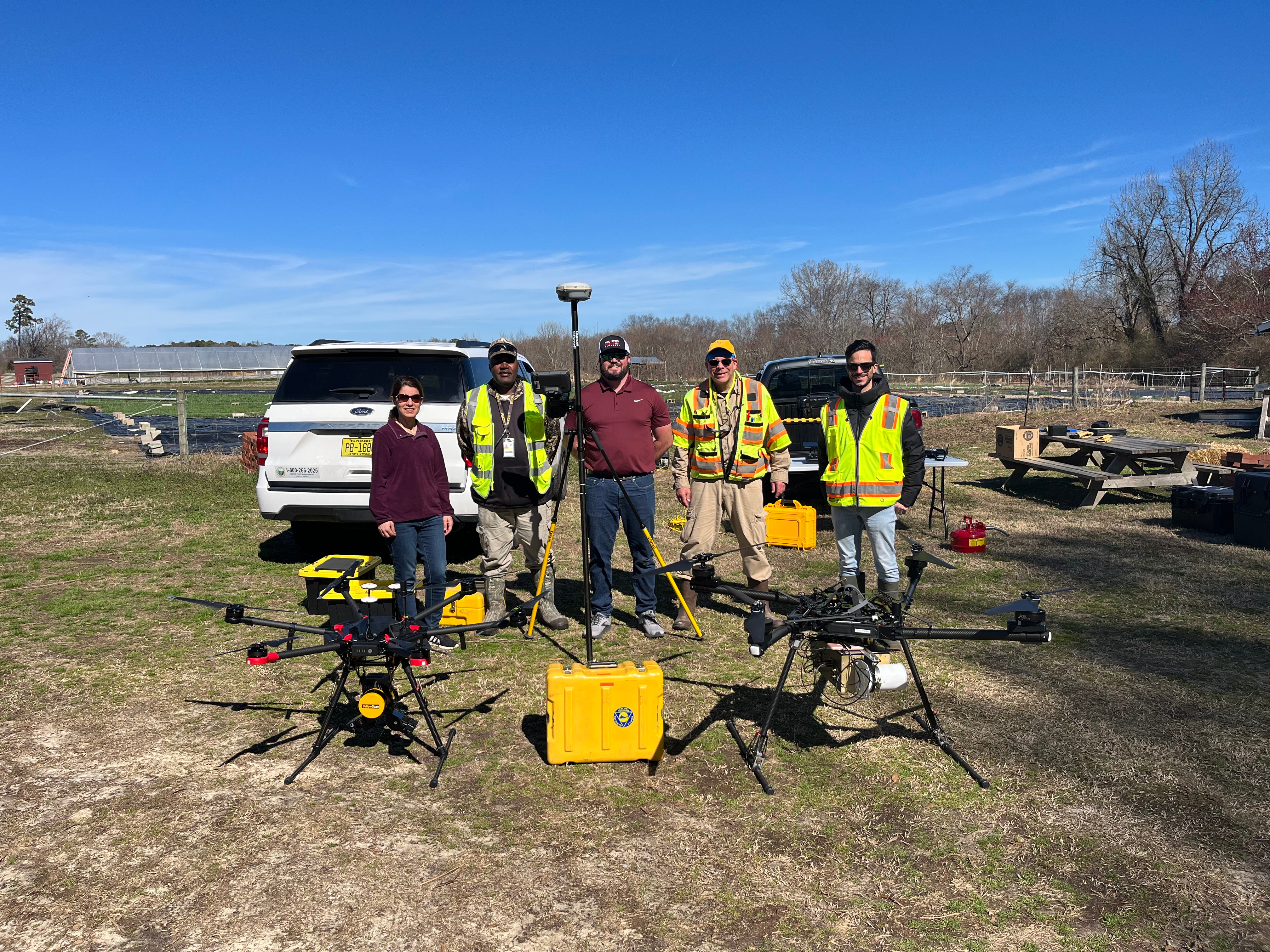
Our projects have been supported and funded by various federal and state agencies and industry partners, including NASA, NOAA, NSF, NC DOT, the NC Attorney General’s Office, the NC Collaboratory, Microsoft, and several partnered universities. These collaborations are vital to ensure that our research leads to tangible, positive changes in communities facing the growing threat of natural disasters.
By combining cutting-edge science with actionable strategies, we are helping communities build resilience in the face of increasingly frequent and severe natural disasters.



Please sign in or register for FREE
If you are a registered user on Research Communities by Springer Nature, please sign in