Highlights from reviews in ethnobiomedical sciences
Published in Social Sciences, Ecology & Evolution, and Agricultural & Food Science

Traditional Knowledge, Ecology, and Conservation
Gendered traditional agroecological knowledge in agri-food systems
Men and women perform different tasks in farming, which affects their knowledge and access to resources like land and seeds. Men often have more access to land, while women are usually responsible for seed conservation. Cultural and societal norms often favor men, giving them more control over resources. This can limit women's ability to contribute to and benefit from farming activities.
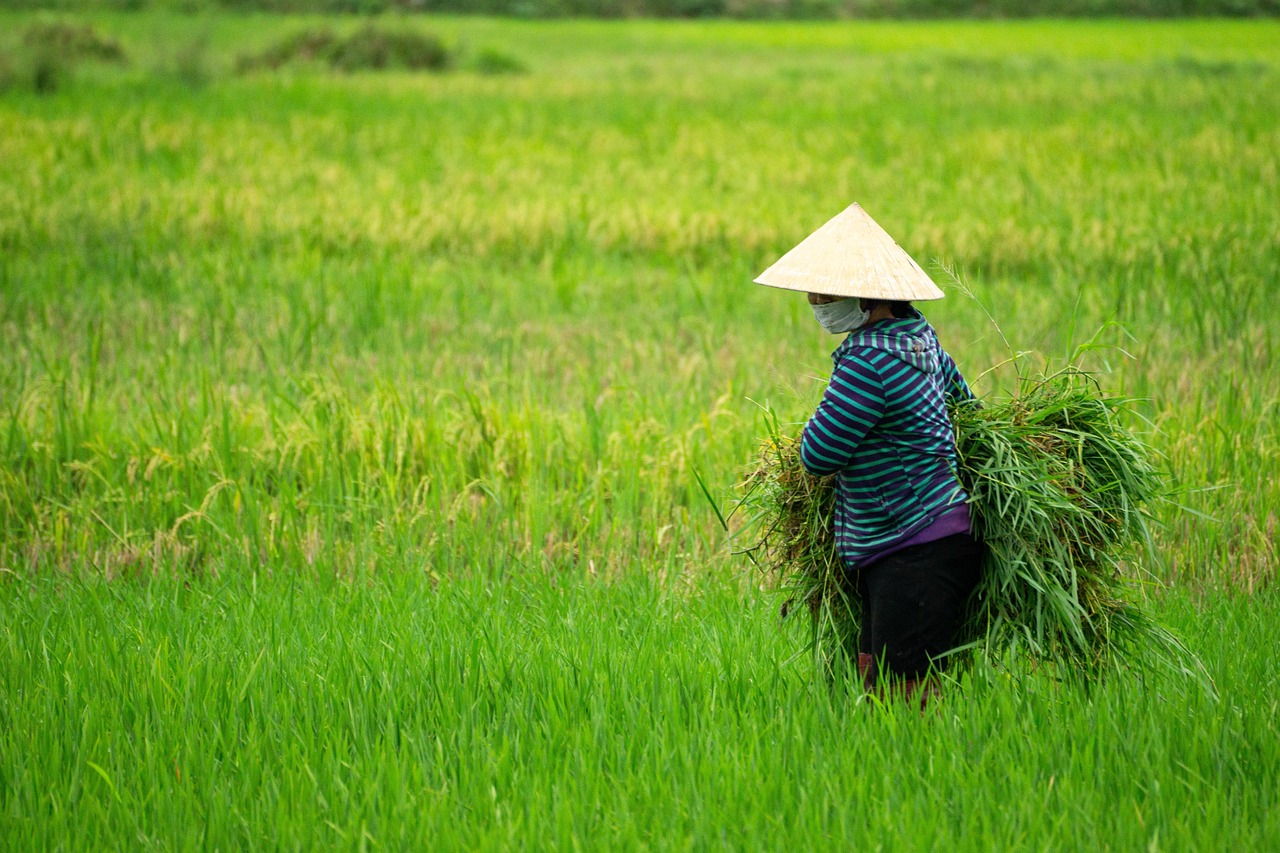
Women often pass down their knowledge within families and communities, especially in areas like food processing and medicine. However, globalization and other changes can erode this knowledge. Addressing gender inequalities in access to resources and decision-making is crucial for improving food security and adapting to climate change.
The review highlights the need to recognize and support the different contributions of men and women in farming to build more resilient and equitable food systems. More research is needed, especially in underexplored areas like freshwater and livestock systems, and in regions like the global north.
Food taboos and animal conservation
This systematic review examines the impact of food taboos on animal conservation. It reveals that cultural prohibitions against consuming certain species can significantly contribute to the protection of biodiversity. The study provides examples from various cultures where food taboos have helped maintain ecological balance and prevent overexploitation of wildlife.
Ethnobotanical contributions to global fishing communities
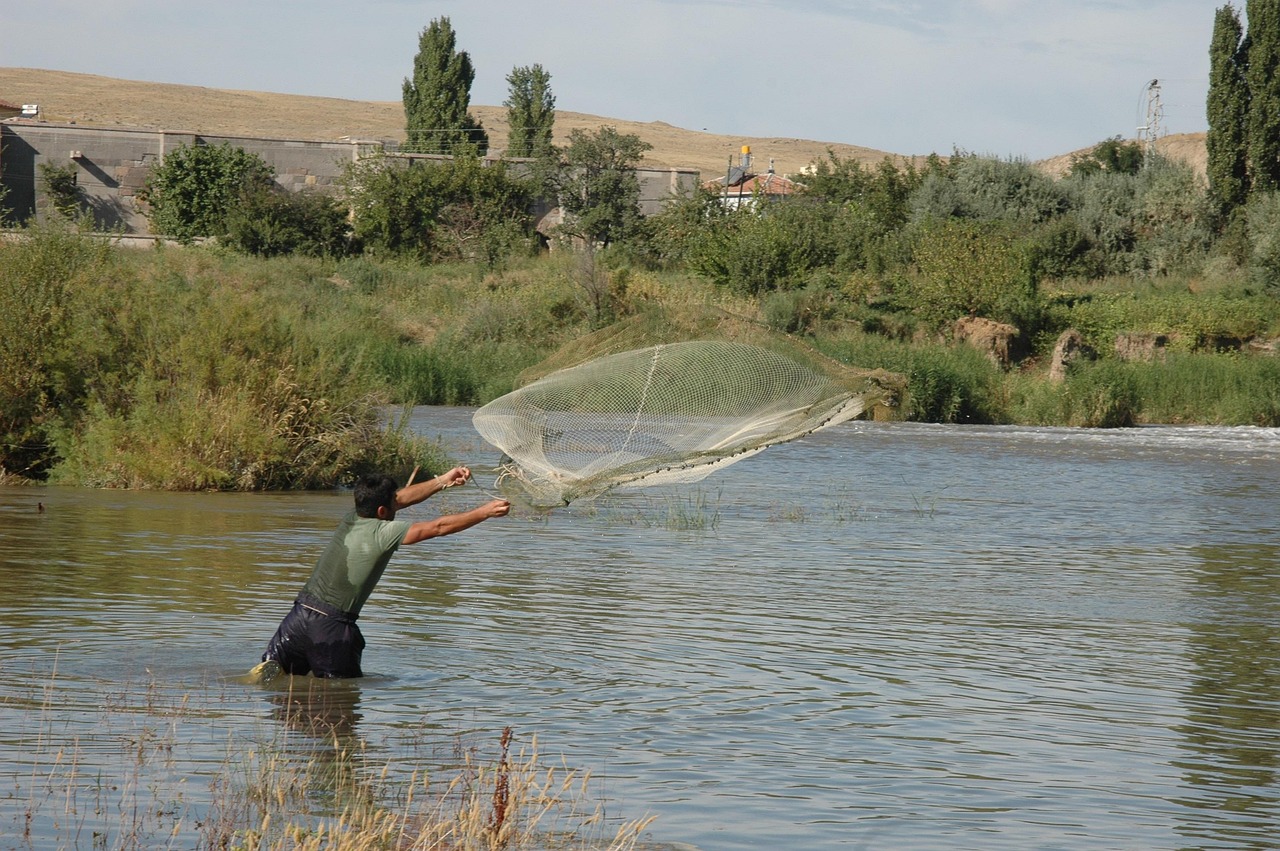
Here more insights can be found about the role of ethnobotany in traditional fishing communities. It categorizes the various uses of plants and algae in fisheries, such as bait, tools, and habitat enhancement. The review emphasizes the ecological and cultural significance of these practices and calls for further research to support sustainable fisheries management.
Ethnosciences, one health and human-microbe interaction
Interactions between local medical systems and the biomedical system
This review explores the dynamic interactions between local medical systems (LMS) and the biomedical system. It introduces the concept of hybridization, where elements of both systems are integrated to create more effective healthcare solutions. The study discusses case studies from different regions, illustrating how hybrid medical practices can enhance healthcare delivery and patient outcomes.
The dawn of ethnomicrobiology: an interdisciplinary research field on interactions between humans and microorganisms
This review introduces ethnomicrobiology as a new interdisciplinary field within ethnobiology, focusing on the interactions between humans and microorganisms. Traditionally, ethnobiology has concentrated on plants, animals, fungi, and ecosystems, often overlooking microbes such as bacteria, yeasts, molds, and viruses. However, microorganisms have been integral to human life since the earliest days of Earth, influencing health, food systems, and ecological processes.
The article highlights how humans have historically accumulated knowledge about microbes through sensory attributes like smell, taste, and texture, which guide the management of microbial contexts. These interactions are expressions of biocultural diversity, reflecting the deep connections between human cultures and microbial life.
Socioeconomic benefits associated with bats
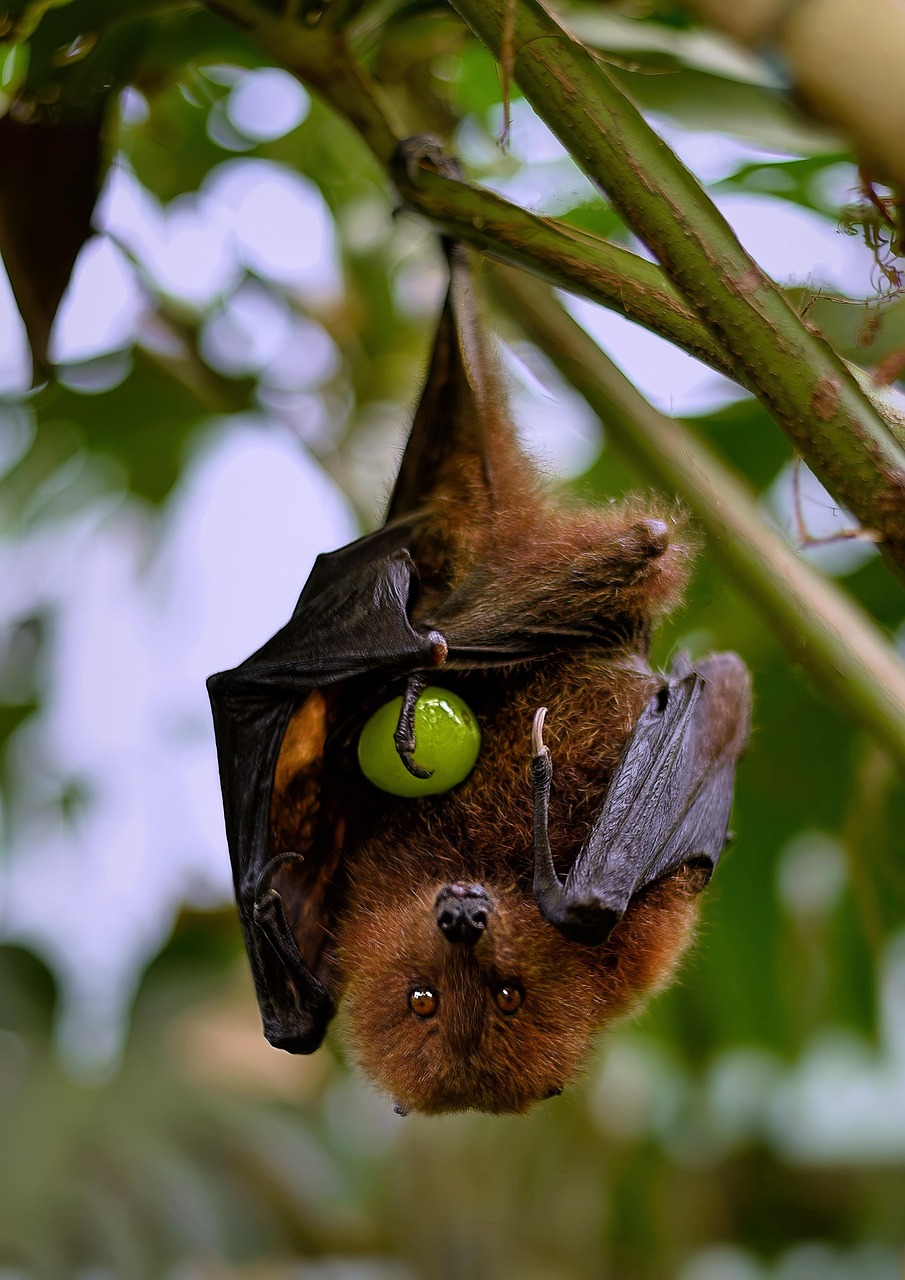
Bats offer significant benefits to human communities, but these benefits are context-dependent and vary by region. Effective conservation strategies should consider these benefits while addressing public health concerns and promoting sustainable use of bat populations.
Focus on Mexico
Academic history, domains and distribution of the hot-cold system in Mexico
Dualism is a prevailing concept in many cultures around the world. It maintains that the world is structured by two opposing forces, such as light/dark, dry/wet, high/low, etc. A prominent contemporary example of dualism is the traditional classification of health issues, foods, and remedies into “hot” and “cold” categories. This division is observed globally, including in Southeast Asia, India, the Peruvian Andes, the Greater Antilles, and southeastern Brazil, and many other cultures.
This review examines the hot-cold classification system used in Mexico. The classification system applied to traditional foodways, many health problems, remedies (diseases considered “hot” are treated with “cold” remedies, and vice versa), and foods. The hot–cold system is highly versatile and complex and is applied to other domains, such as colors, times of the year, human life stages, elements of the environment, and emotions.
A review of the melliferous flora of Yucatan peninsula, Mexico
This review provides a comprehensive overview of the melliferous flora in the Yucatan Peninsula, Mexico. It discusses the diversity of plant species that are important for local apiculture, their growth habits, and flowering periods. The study underscores the importance of these plants for honey production and the need for conservation efforts to protect this valuable resource.

I am an Executive Publisher for the BMC Academic Journals at Springer Nature. A linguist by background, I am an expert in academic publishing and an Open Access advocate. I am a fan of knowledge making us more open and more human.
Follow the Topic
-
Journal of Ethnobiology and Ethnomedicine
This journal publishes original research focusing on cultural perceptions of nature and of human and animal health. It invites research articles, reviews and commentaries concerning the investigations of the inextricable links between human societies and nature, food, and health.

Related Collections
With Collections, you can get published faster and increase your visibility.
Living Food Heritage: Ethnobiological Perspectives on Local Foods Across Cultures and Time
This Collection is dedicated to the memory of Dauro Mattia Zocchi (1990–2026), a researcher in food heritage at the University of Bergamo and the University of Pollenzo (Italy), whose work advanced critical perspectives on food heritage and processes of heritagization.
The Collection explores the evolving concept of food heritage through the lens of local foods, with particular attention to cross-cultural interpretation and temporal dynamics. Local foods are not treated as static artefacts rooted solely in place-based ecological knowledge or artisanal skills; rather, they are understood as living systems continuously reshaped by migration, globalization, environmental pressures, and socio-economic transformations.
Bringing together interdisciplinary perspectives, the Collection examines how local knowledge and food practices are interpreted, valued, and transformed across cultural contexts. It highlights how communities negotiate authenticity, identity, and sustainability while adapting culinary traditions to contemporary realities. Cross-cultural analyses reveal both shared dynamics and context-specific trajectories in the production, perception, and use of local foods.
A central focus is the temporal dimension of food heritage: how recipes, ingredients, techniques, and meanings evolve over time while maintaining connections to the past. The notion of dynamic continuity is proposed to capture how heritage persists not through static preservation, but through ongoing processes of adaptation, reinterpretation, and renewal.
Moreover, the Collection addresses how ethnobiological research on food heritage can be applied to concrete projects and initiatives aimed at improving the well-being of local and rural communities. Contributions engage with applied perspectives, highlighting the potential of local foods to support livelihoods, cultural resilience, and sustainable development.
In honoring Dauro Zocchi’s legacy, this Collection emphasizes the need to approach food heritage as a process rather than a fixed category. It calls for innovative methodological frameworks that integrate ethnobiological, cultural, historical, and ecological perspectives in order to better understand—and responsibly engage with—the role of local foods in a rapidly changing world.
All submissions in this Collection undergo the journal’s standard peer review process, and all manuscripts authored by a Guest Editor(s) are handled by the Editor-in-Chief. As an open access publication, this journal levies an article processing fee (details here). We recognize that many key stakeholders may not have access to such resources and are committed to supporting participation in this issue wherever resources are a barrier. For more information about what support may be available, please visit OA funding and support, or email OAfundingpolicy@springernature.com or the Editor-in-Chief.
Publishing Model: Open Access
Deadline: Mar 25, 2027
Ethnobiological Research in South and South East Asia
This collection seeks to advance ethnobiological research across South Asia and South East Asia—two regions rich in cultural and biological diversity yet underrepresented in global scholarship. By bringing together scientists from countries such as India, Pakistan, Nepal, Bangladesh, Sri Lanka, Bhutan, and the Maldives (South Asia), as well as Myanmar, Thailand, Laos, Cambodia, Vietnam, Malaysia, Singapore, Indonesia, Brunei, the Philippines, and Timor‑Leste (South East Asia), the collection aims to fill a critical gap in the literature while fostering collaborative networks that transcend political and social boundaries.
We invite contributions that explore:
- Traditional ecological knowledge
- Human–nature interactions
- The role of ethnobiology in addressing contemporary challenges, such as biodiversity conservation
- Ethnobiological perspectives on sustainable livelihoods
- Cultural heritage preservation in diverse and rapidly changing environments
Beyond advancing science, this collection aspires to serve as a bridge—supporting dialogue and cooperation among researchers in regions where collaboration is often difficult but deeply needed.
All submissions in this Collection undergo the journal’s standard peer review process, and all manuscripts authored by a Guest Editor(s) are handled by the Editor-in-Chief. As an open access publication, this journal levies an article processing fee (details here). We recognize that many key stakeholders may not have access to such resources and are committed to supporting participation in this issue wherever resources are a barrier. For more information about what support may be available, please visit OA funding and support, or email OAfundingpolicy@springernature.com or the Editor-in-Chief.
Publishing Model: Open Access
Deadline: Nov 27, 2026