Highlights of the BMC Series – April 2025
Published in Healthcare & Nursing, Computational Sciences, and Genetics & Genomics





BMC Genomics - Growth resilience to weather variation in commercial free-ranging chickens in Ethiopia
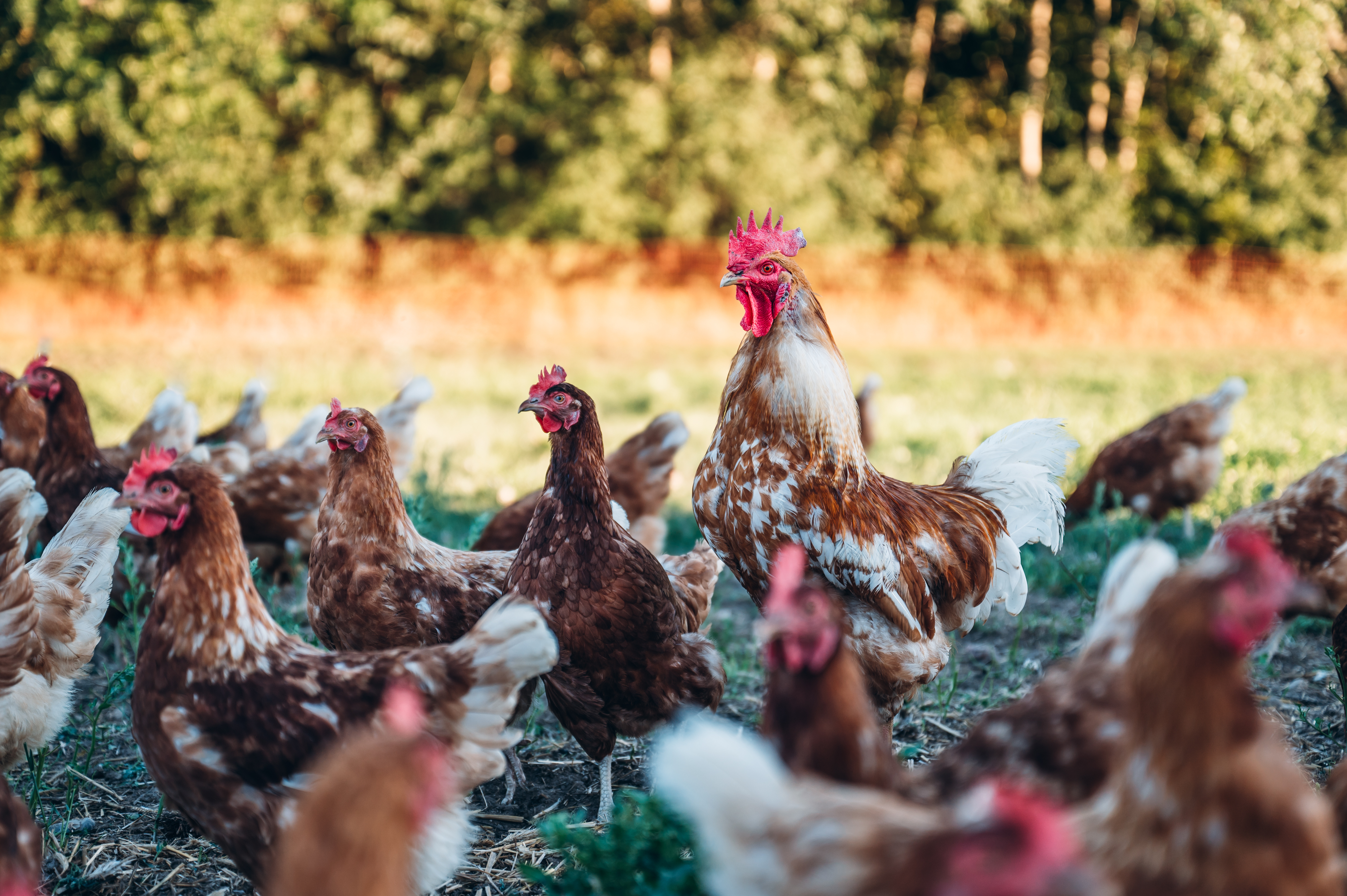
Chicken farming is a growing industry in Ethiopia and demand is expected to increase by over 200% in the next 25 years. The majority of flocks are made up of indigenous breeds that are adapted to local conditions. However, a growing portion is made up of imported high-productivity breeds that fail to thrive due to increasing extremes of temperature and other climate-change induced environmental stressors.
This paper aimed to investigate the effects of changing weather conditions on the growth of commercially raised chickens by looking at both growth resistance phenotypes and associated genomic architecture. Over 1,500 cross-bred chickens were weighed weekly and were genotyped for this study. Weekly growth was compared to weather patterns to determine resilience phenotypes and genetic markers were identified for these phenotypes.
The authors found that growth was significantly impacted by temperature, humidity, and precipitation. They also found significant genomic variance between resilience phenotypes and identified specific candidate genes associated with lipid metabolism and adipocyte homeostasis. These results could be used to breed chickens that are both highly productive and adapted to local weather conditions.

Anemia in women of reproductive age is a prevalent problem worldwide, and India has one of the highest rates at 57%. Efforts to reduce the prevalence of anemia have focused on ways to increase the availability and distribution of supplements to prevent and treat anemia. However, there has not been much focus on interventions to increase consumption of supplements and understanding of medical guidelines.
In this longitudinal cluster randomized controlled trial, an intervention package that focused on changing social norms was tested as a way to increase iron folic acid consumption among women of reproductive age. The intervention package comprised community-based education sessions, health communication videos, and hemoglobin testing. Over 4,000 women were recruited for the trial and were randomized by geographical cluster to either the intervention or the control.
The results showed that the intervention improved social norms around supplement consumption compared with the control as well as increased consumption more in intervention communities. This highlights a potentially useful way to increase uptake of important micronutrient supplements and reduce the burden of anemia.
BMC Primary Care - Exploring the relationship between cultural and structural workforce issues and retention of nurses in general practice (GenRet): a qualitative interview study

Nurses are a vital part of healthcare services, but current shortfalls in the nursing workforce are expected to worsen in the coming decade. In England, the shortage of nurses is especially acute in general practice, with up to 28% of nurses considering leaving general practice within one year.
In order to understand the factors that both encourage and discourage nurses to stay in general practice, the authors of this paper conducted a qualitative study. They interviewed 41 current and former general practice nurses and nurse leaders in England and Wales to explore how general practice culture and structure support or challenge workforce retention.
The findings indicate that a range of cultural and structural issues affect nurses’ intention to remain in general practice in both positive and negative ways. These issues include recognition of the value of nurses in general practice, limited input into decision-making, and access to professional development and representation. These insights suggest ways that stakeholders, including policy makers, employers, and professional organizations, can support nurses to remain and flourish in general practice.
BMC Gastroenterology - An artificial intelligence model utilizing endoscopic ultrasonography for differentiating small and micro gastric stromal tumors from gastric leiomyomas
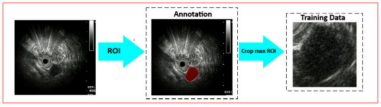
Gastric stromal tumors (GSTs) are a subtype of gastrointestinal submucosal tumors (SMTs) that have high malignant potential and often need aggressive surgical and pharmaceutical intervention. Gastric leiomyomas (GLs) are a less-common subtype of SMTs that are usually benign and require treatment only if they grow or cause other symptoms. Differentiating between these two subtypes is crucial during the diagnostic process, but accurately distinguishing them using endoscopic ultrasonography is challenging, especially for smaller tumors (<2.0 cm).
To address this challenge, the authors of this paper created an artificial intelligence (AI) model trained on images of confirmed GSTs and GLs. The model was then validated on a different set of images.
The AI model was able to accurately differentiate between GSTs and GLs smaller than 2.0 cm. When multiple images of each tumor were used in the AI model, its diagnostic efficiency was better than that of clinical prediction models and endoscopists. This model could offer valuable support to clinicians to accurately diagnose and treat small SMTs.

Tovah has been an Editor for the BMC series since 2016. Before moving into publishing, Tovah received her Ph.D. from Johns Hopkins University, USA, where she studied calcium signaling in yeast, developing a novel microscopy probe for real-time measurement of calcineurin activity. Tovah's path to scientific publishing started with an early fascination with Punnett squares and a focus on genetics, which then broadened into an interest in the communication and application of scientific research across disciplines. Along with working on her journals, Tovah enjoys interacting with the research community through seminars and workshops related to scientific publishing.
Follow the Topic
-
BMC Primary Care
Previously known as BMC Family Practice, this is an open access, peer-reviewed journal that considers articles on all aspects of primary health care research.
-
BMC Nutrition
BMC Nutrition is an open access, peer-reviewed journal that considers articles on all aspects of nutritional sciences.
-
BMC Gastroenterology
This is an open access, peer-reviewed journal that considers articles on all aspects of the prevention, diagnosis and management of gastrointestinal and hepatobiliary disorders, as well as related molecular genetics, pathophysiology, and epidemiology.
-
BMC Genomics
This is an open access, peer-reviewed journal that considers articles on all aspects of genetics, genomics and proteomics.




Related Collections
With Collections, you can get published faster and increase your visibility.
Genomics of reproduction
BMC Genomics is calling for submissions to our Collection on Genomics of reproduction, a field that investigates the genetic and molecular mechanisms underlying reproductive processes in animals. We aim to explore how advancements in genomic technologies, such as DNA and RNA sequencing, can enhance our understanding of sexual reproduction, meiosis, and their implications in animal breeding, fertility, and species conservation. The application of these technologies to reproductive biology is uncovering the intricate dynamics of gametogenesis, fertilization, and early embryonic development, opening new avenues for innovation in reproductive health.
Researchers are now using these tools to investigate reproductive processes with a level of detail that was previously unattainable. For example, single-cell RNA sequencing has been used to construct detailed transcriptional atlases of animal reproductive tissues, revealing stage-specific gene expression patterns during spermatogenesis and identifying key regulators of meiotic progression and germ cell differentiation. In another application, whole-genome sequencing of livestock embryos has improved the detection of structural variants and mosaicism, allowing for more accurate selection in animal breeding programs and reducing the risk of developmental failure. Furthermore, natural models have been used in in livestock with large datasets to identify new variants or genes affecting fertility through genome-wide association studies with quantitative measurements of semen quality and insemination success.
Continued research in this field promises to yield transformative insights that could revolutionize our understanding of reproductive biology. Future studies may uncover novel genetic factors influencing fertility, enhance precision breeding approaches in livestock and wildlife management, and improve strategies for managing reproduction-related challenges in agriculture and conservation biology. Furthermore, the integration of genomics with other omics technologies may lead to a more comprehensive understanding of the interplay between genetics, environment, and reproductive outcomes.
Topics of interest include, but are not limited to:
- Genomic insights into meiosis
-Alternative strategies to sexual reproduction
-Parthenogenesis
- DNA sequencing applications in reproductive biology
- RNA sequencing in gametogenesis
- Genetic factors influencing fertility
- Epigenetic regulation of reproduction
- Genomics of reproductive aging
- Role of non-coding RNAs in reproductive processes
- Comparative genomics of reproductive traits
- Genomic approaches to species conservation
- Impact of environmental factors on reproductive genomics
- Advances in reproductive genomics for precision breeding and conservation
- Studies on sexual chromosomes and sexual development disorders
All manuscripts submitted to this journal, including those submitted to collections and special issues, are assessed in line with our editorial policies and the journal’s peer-review process. Reviewers and editors are required to declare competing interests and can be excluded from the peer review process if a competing interest exists.
Publishing Model: Open Access
Deadline: Oct 01, 2026
Cattle genomics
BMC Genomics invites researchers to contribute to our Collection on Cattle genomics focusing on understanding the genetic makeup of bovine species, which is essential for improving livestock breeding and health. Advances in genomic technologies, such as next-generation sequencing and RNA sequencing, have enabled researchers to reveal insights into traits such as growth, meat quality, milk production, disease resistance, reproductive fitness, and overall adaptability in bovine genomes. This Collection aims to highlight the latest research developments in cattle genomics, encompassing both genomic and transcriptomic studies that contribute to the understanding of bovine biology.
Recent breakthroughs in genomic selection and precision breeding techniques have already shown promise in increasing efficiency in cattle production. The use of CRISPR-Cas genome editing, for example, has allowed for precise modifications to the cattle genome, introducing beneficial genetic variations without the linkage drag associated with traditional breeding methods. Additionally, the integration of omics technologies is paving the way for a holistic understanding of cattle biology, allowing for more effective management and breeding strategies. Studying the rumen microbiome using genomics, transcriptomics, proteomics, and metabolomics has revealed how microbial communities contribute to feed efficiency and nutrient absorption. This comprehensive approach enables targeted nutritional strategies that improve cattle health and productivity while reducing environmental impact. Such integrative studies facilitate the selection of cattle with optimal microbiome compositions, leading to more sustainable and efficient cattle production systems.
As research in cattle genomics progresses, we can anticipate the development of more sophisticated genomic tools that will enable precise manipulation of genetic traits in bovine populations. This may lead to enhanced resilience against diseases, improved reproductive performance, and better adaptation to changing environmental conditions. Ultimately, continued innovation in this field holds the potential to reform cattle production systems, ensuring sustainable livestock farming for future generations.
- Genomic selection in cattle breeding
- Transcriptomic analysis of bovine traits
- Pathogenicity and disease resistance genomics
- Advances in RNA-Seq applications for cattle
- Omics approaches to cattle health and productivity
- Genetic mapping of economically important traits
- Gene editing
- Metagenomics of the bovine gut microbiome
- Epigenetic regulation of growth and reproduction
- Comparative genomics of cattle and other livestock species
This Collection supports and amplifies research related to SDG 2, Zero Hunger.
All manuscripts submitted to this journal, including those submitted to collections and special issues, are assessed in line with our editorial policies and the journal’s peer-review process. Reviewers and editors are required to declare competing interests and can be excluded from the peer review process if a competing interest exists.
Publishing Model: Open Access
Deadline: Nov 26, 2026