Highlights of the BMC Series – June 2026
Published in Cancer, Ecology & Evolution, and General & Internal Medicine






BMC Public Health - Linking students’ perceptions of physical education teachers’ (de)motivating styles to students’ leisure time physical activity: the role of motivational processes

© The Washington Post/Getty Images / iStock
Physical education can influence far more than what happens during a lesson. When teachers create an environment that gives students meaningful choices, respects individual learning needs, and encourages initiative, they help foster a more positive relationship with physical activity. Such approaches support students’ sense of independence, competence, and belonging, making participation feel more personally rewarding rather than something driven by external pressure.
As a result, motivation developed in the classroom is more likely to extend into everyday life, encouraging students to stay active during their free time. The article highlights the value of student-centred teaching, showing how supportive interactions and flexible teaching practices can nurture lasting enthusiasm for movement and exercise.
By placing students’ needs and experiences at the heart of physical education, schools can play an important role in promoting healthier and more active lifestyles that continue beyond the school gates.
BMC Infectious Diseases - Clinical characteristics and outcomes of invasive fungal infections in critically ill patients with liver cirrhosis

Invasive fungal infections remain a frequently overlooked complication in critically ill patients with liver cirrhosis, yet their impact on outcomes can be profound. The article highlights how severe liver disease, impaired immune function, and the demands of intensive care create conditions that increase vulnerability to serious fungal infections.
These infections often emerge during prolonged hospital stays and can be difficult to recognize because their symptoms may resemble those of bacterial infections or worsening liver failure. Patients requiring intensive interventions such as mechanical ventilation, dialysis, prolonged antibiotic treatment, or nutritional support appear to be particularly at risk.
The presence of fungal infections is associated with more complicated hospital courses, longer recovery periods, and poorer chances of survival, especially among those experiencing acute-on-chronic liver failure. The findings reinforce the importance of maintaining a high level of clinical vigilance, strengthening infection surveillance, and adopting risk-based management strategies to support earlier diagnosis and treatment in this highly vulnerable patient population.
BMC Women's Health - Analysis of factors influencing the missed diagnosis of cervical precancerous lesions by colposcopy

© PonyWang /Getty Images / iStock
Accurate detection of cervical precancerous lesions is essential for preventing the progression of cervical cancer, yet some abnormalities can be difficult to identify during routine colposcopy.
The article highlights several characteristics that may increase the likelihood of lesions being overlooked, including older age, low-grade cytology findings, non-HPV16 infections, and abnormalities located within the cervical canal rather than on more visible areas of the cervix. Lesions associated with these factors often present less distinct visual features, making them harder to recognize during examination.
The findings also underscore the limitations of colposcopy in detecting certain glandular abnormalities, which may show few or no obvious signs. Taken together, the results support a more risk-based approach to assessment, particularly for women who present with multiple risk factors.
Greater clinical vigilance, careful follow-up, and the use of complementary diagnostic procedures where appropriate could help reduce missed diagnoses and improve the early identification of cervical precancerous changes.
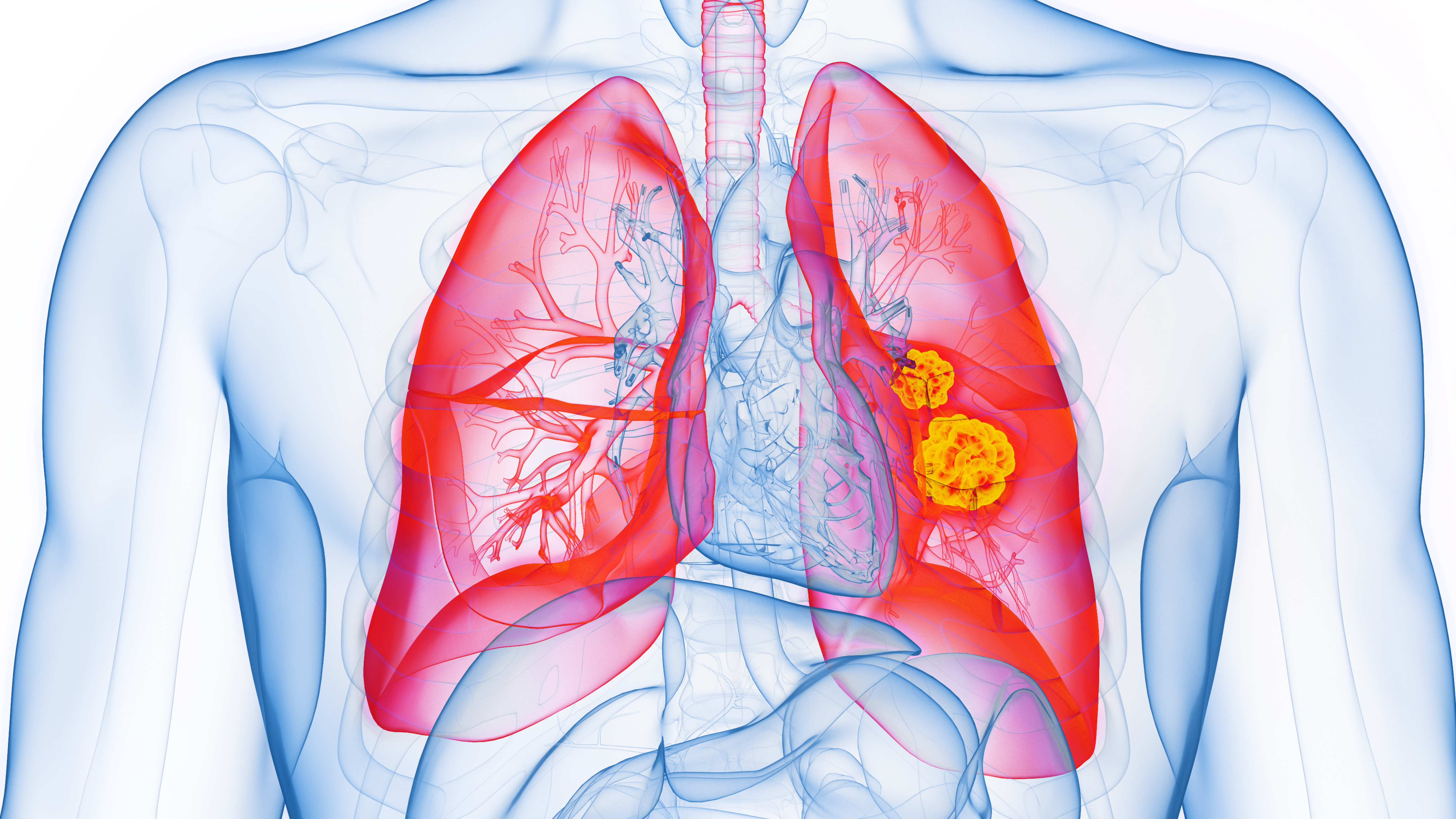
BMC Cancer - PET/CT Radiomics-based assessment of tumor heterogeneity for predicting immunotherapy outcomes in advanced lung squamous cell carcinoma: a retrospective prognostic modeling study
© SEBASTIAN KAULITZKI /Getty Images / iStock
Advanced lung squamous cell carcinoma remains a challenging disease, particularly when identifying patients most likely to benefit from immunotherapy. This study examined whether quantitative features extracted from routine PET/CT scans could be used to predict progression-free survival before treatment begins.
Using imaging data from 129 patients, the researchers developed a radiomics-based model designed to capture patterns of tumor heterogeneity that are not readily apparent through conventional image interpretation. The model was able to distinguish between patients with markedly different outcomes, with those in the high-risk group facing a substantially greater likelihood of disease progression than those classified as low risk.
Importantly, the radiomics signature retained its prognostic value even after adjustment for clinical variables, indicating that it provides information beyond standard patient and disease characteristics. The investigators also compared the model with a 3D convolutional neural network approach and found that the radiomics-based strategy delivered superior predictive performance.
The findings suggest that PET/CT radiomics could serve as a practical, non-invasive tool for risk stratification, helping clinicians better tailor treatment decisions and identify patients who may require closer monitoring or alternative therapeutic strategies.
BMC Ecology and Evolution - Human pressure and protection gradients reshape diel activity patterns of terrestrial mammals

© Athula Dissanayake/Getty Images / iStock
Human activities are increasingly influencing how wildlife uses space and time. This study explored how terrestrial mammals modify their daily activity patterns in response to varying levels of human disturbance and habitat protection.
The researchers found that many mammal species alter their behavior when exposed to greater human presence. Rather than maintaining their natural activity schedules, animals often shift toward increased nighttime activity, likely as a strategy to reduce encounters with people. These behavioral adjustments can affect how species forage, interact with one another, and use available habitats.
Importantly, the study showed that protected areas can help buffer some of these effects. Mammals living in well-protected environments were more likely to retain activity patterns that resemble their natural behavior, while populations in heavily disturbed areas exhibited greater shifts in their daily routines.
The findings highlight that human influence extends beyond habitat loss and fragmentation, affecting fundamental aspects of animal behavior. By demonstrating how protection status and human pressure jointly shape wildlife activity, the research provides valuable insights for conservation planning and biodiversity management.
Follow the Topic
-
BMC Infectious Diseases
This journal is an open access, peer-reviewed journal that considers articles on all aspects of the prevention, diagnosis and management of infectious and sexually transmitted diseases in humans, as well as related molecular genetics, pathophysiology, and epidemiology.
-
BMC Public Health
An open access, peer-reviewed journal that considers articles on the epidemiology of disease and the understanding of all aspects of public health.
-
BMC Women's Health
This is an open access, peer-reviewed journal that considers articles on all aspects of the health and wellbeing of adolescent girls and women, with a particular focus on the physical, mental, and emotional health of women in developed and developing nations.
-
BMC Ecology and Evolution
An open access, peer-reviewed journal interested in all aspects of ecological and evolutionary biology.
-
BMC Cancer
This is an open access, peer-reviewed journal that considers articles on all aspects of cancer research, including the pathophysiology, prevention, diagnosis and treatment of cancers.





Related Collections
With Collections, you can get published faster and increase your visibility.
Evolution of disease: From pathogens to proliferating cells
Evolution of disease: From pathogens to proliferating cells is a special Collection that explores how evolutionary processes shape health and disease—from infectious microbes to cancerous cells. We invite research within the discipline of evolutionary medicine that examine how forces such as natural selection, genetic drift, host-pathogen coevolution, and environmental change contribute to disease susceptibility, resistance, and progression. We welcome submissions that deepen our understanding of disease as a dynamic outcome of evolutionary interactions.
Topics of research may include but are not limited to research which uses evolutionary principles to understand:
1. Pathogen evolution, resistance, and host interactions
•
The evolution of antibiotic, antiviral, antifungal, and antiparasitic resistance
•
Mechanisms of immune evasion, persistence, and transmission
•
Experimental evolution and molecular insights into pathogen adaptation
•
Host-pathogen coevolution and the impacts of medical or environmental interventions
•
Comparative host-pathogen dynamics across species
2. Evolutionary mismatch and modern disease
•
Evolutionary insights into metabolic disorders, autoimmune conditions and cancer
•
When a previously advantageous trait becomes maladaptive due to change in the environment
3. Evolution of cancer
•
Evolutionary and ecological models of cancer progression and resistance
•
Comparative oncology: insights from cancer-resistant and long-lived species
•
Somatic evolution, immune escape, and tumor heterogeneity
4. Genetic variation, adaptation, and disease susceptibility
•
Adaptive and maladaptive genetic variants in human and animal populations
•
Pleiotropy and trade-offs in immune function, metabolism, and reproduction
•
Population genetics, admixture, and the evolutionary roots of health inequality
5. Microbiome evolution and host symbiosis
•
Coevolution and community ecology of host-associated microbiota
•
Functional evolution in microbial genomes and implications for host health
•
Microbiome shifts due to modern environments, drugs, or host genetic factors
6. Viral evolution and endogenous elements
•
Evolutionary arms races between hosts and viruses
•
Evolution and function of endogenous viral elements in animal genomes
•
Phylogenomic approaches to uncover ancient viral influences on host evolution
7. Experimental and computational approaches
•
Experimental evolution in microbial or model systems
•
Genomics, phylogenomics, and systems biology in disease evolution
•
Machine learning and AI in evolutionary medicine research
Publishing Model: Open Access
Deadline: Dec 04, 2026
Nighttime ecology and evolutionary adaptations to low-light environments
BMC Ecology and Evolution welcomes submissions of research exploring the remarkable adaptations and ecological dynamics that enable life to flourish in the dark and low light environments. Contributions will explore evolutionary adaptations such as sensory specialization (e.g., night vision, echolocation, bioluminescence, heat-sensitive pits, and specialized hairs) that allow organisms to navigate, forage, and communicate in low-light conditions from caves to the deep sea. The collection will also investigate behavioral and physiological mechanisms, including circadian rhythm adjustments and predator-prey interactions, that are essential for survival in nocturnal niches.
Submissions on the impact of anthropogenic influences, such as light pollution, on nocturnal ecosystems and biodiversity are encouraged. The Collection also welcomes research on nighttime bioacoustics and soundscapes, examining how sound is used to adapt to and shape nocturnal environments. Contributions discussing the role of citizen science in advancing our understanding of nighttime ecology are also encouraged.
Publishing Model: Open Access
Deadline: Nov 20, 2026