How Telemedicine-enabled Vision Centres Help People Get Timely Eye Care after Eye Injuries in Rural South India
Published in Healthcare & Nursing, General & Internal Medicine, and Public Health
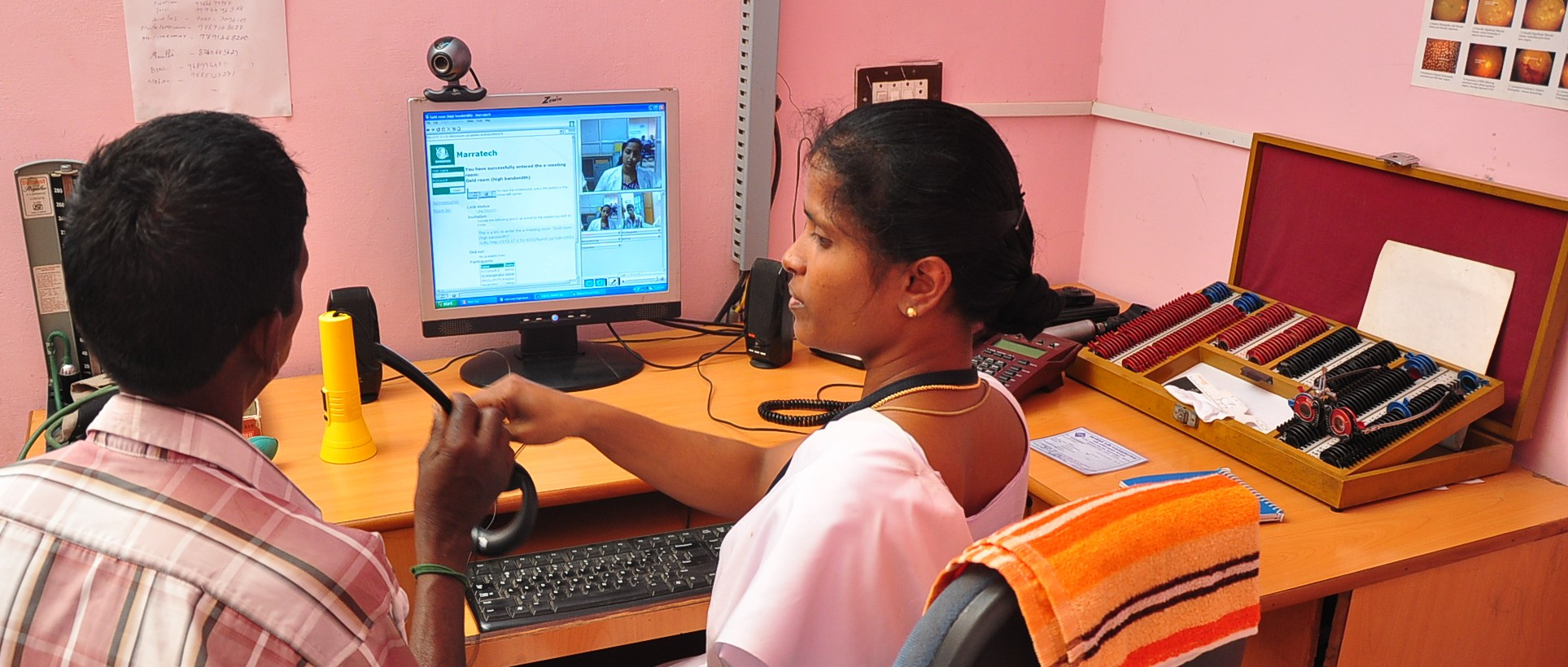



What usually happens in rural areas
After an eye injury, many people initially wait, hoping the problem will resolve on its own. Others turn to home remedies or informal care providers. Accessing hospital-based care often involves long travel, time away from work, and additional costs, which makes them postpone treatment. Unfortunately, such delays frequently worsen the condition.
Where Vision Centres make a difference
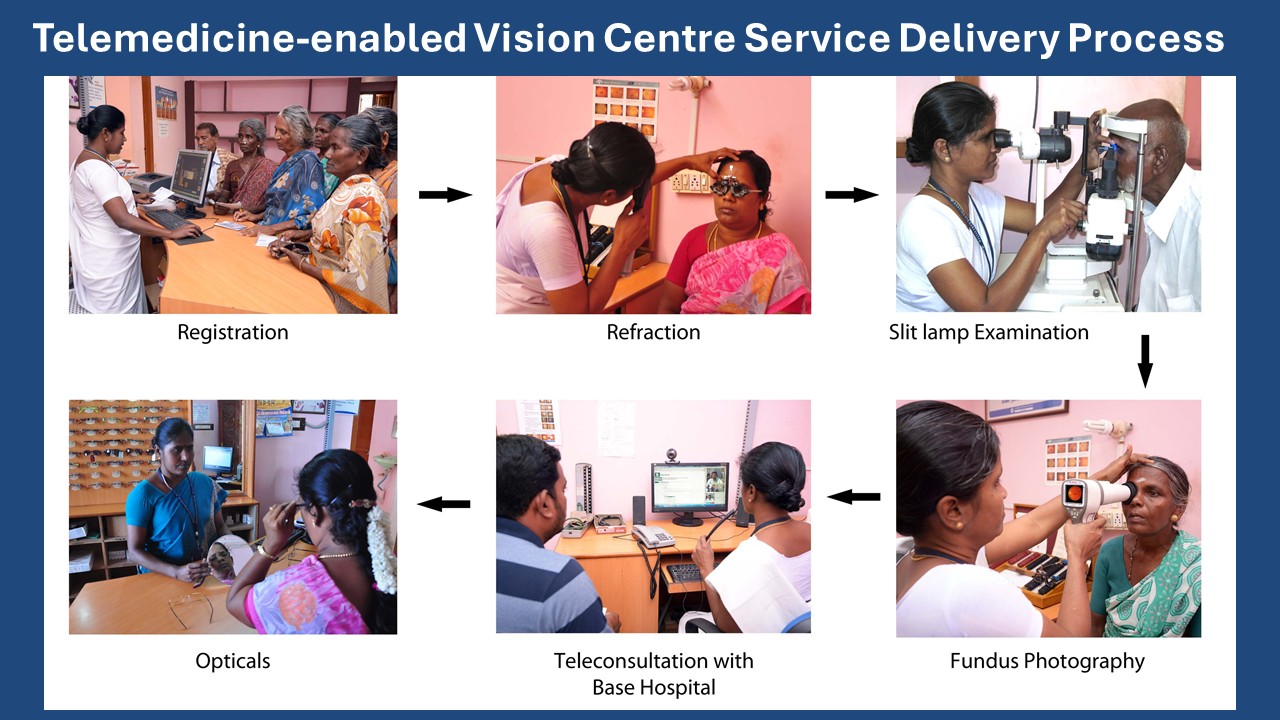
Vision Centres are community-based primary eye care facilities designed to bring essential eye services closer to people’s homes. These centres, equipped with basic diagnostic equipment, telemedicine and electronic medical records, enable comprehensive eye examination and real-time teleconsultation to eye injury patients. Staffed by trained Vision Technician and supported by an Administrative Coordinator, these centres provide early assessment, basic treatment, counselling, and timely referral when advanced care is needed. Because Vision Centres are nearby, affordable, and trusted, people are more likely to seek care early.
What our study found
Our study showed that annual occurrence of self-reported ocular injury was 1.1% (191/17,397), with higher risk among men, in adults aged 40-59 years, and those engaged in manual or agricultural work. Foreign body and blunt trauma were the most common type of injuries.
Encouragingly, more than 80% of injured individuals sought formal eye care. Nearly half accessed care through Vision Centres, and importantly, almost all cases were successfully managed at the Vision Centre level, with very few requiring referral to hospitals, thus saving time and effort for the patients. Since the Vision Centres are located in rural communities, with very affordable consulting fees, it is equally accessed by economically backward and socially disadvantaged populations. The treatment adherence exceeded 90%.
Why this fits into the bigger picture
The World Health Organisation’s World report on vision calls for the adoption of Integrated People-Centred Eye Care (IPEC)—an approach that delivers promotive, preventive, treatment, and rehabilitative eye care across the life course, coordinated across different levels of the health system.
Vision Centres align closely with this vision. By strengthening primary eye care and ensuring smooth referral pathways, they form a critical link between communities and higher-level servicers. In doing so, they support Universal Health Coverage and contribute to Sustainable Development Goal 3, which aims to ensure healthy lives and well-being for all.
Why this matters
Timely treatment of eye injuries can prevent serious complications and permanent vision loss. By bringing eye care closer to communities, Vision Centres reduce delays, lower costs, and minimise the need for complex hospital-based care later. This builds on earlier studies that have demonstrated that immediate treatment with antibiotic drops or ointment, significantly reduced the eyes developing an ulcer and needing corneal transplant surgery.
Conclusion
Vision Centres offer a practical, effective example of people-centred eye care in action. Strengthening and expanding them can play a vital role in preventing avoidable vision loss and ensuring that eye care is accessible, affordable, and equitable for rural communities.

Follow the Topic
-
Eye
The official journal of The Royal College of Ophthalmologists. Eye seeks to advance the science and practice of ophthalmology with the latest clinical and scientific research for clinicians, optometrists, orthoptists, other health care professionals and researchers interested in the visual sciences.

Related Collections
With Collections, you can get published faster and increase your visibility.
Dry Eye Disease
Publishing Model: Hybrid
Deadline: Nov 25, 2026