Iron for two: a fungal siderophore promotes the growth of its algal symbiont
Published in Microbiology, Cell & Molecular Biology, and Plant Science






Iron is indispensable for life. Many central cellular processes - including oxidative phosphorylation, the tricarboxylic acid cycle, defense against oxidative stress, DNA replication, and the synthesis of amino acids, nucleotides, and sterols - depend on iron or iron-based cofactors such as iron-sulfur clusters, heme, and siroheme. As the bioavailability of iron is often limited, organisms have evolved specialized strategies to acquire this metal.
Siderophores are small, high‑affinity iron chelators produced by bacteria and fungi, especially under iron limitation. They scavenge scarce iron and deliver it into cells via dedicated transport systems. In the opportunistic mold Aspergillus fumigatus - the leading cause of life-threatening aspergillosis in immunocompromised patients - siderophores are indispensable for virulence; they are likewise critical in many necrotrophic plant-pathogenic fungi. Beyond uptake and pathogenesis, siderophores act as weapons in microbial warfare by depriving neighboring organisms of iron. For example, in the airways of people with cystic fibrosis, the bacterial pathogen Pseudomonas aeruginosa can starve A. fumigatus with its siderophore pyoverdine, whereas A. fumigatus counters with its siderophore, triacetylfusarinine C. The fungus-specific siderophore biosynthetic pathway has been mapped, making it an attractive target for antifungal drug development. Siderophores also show promise as noninvasive urine biomarkers for aspergillosis, and positron‑emission tomography using gallium isotopes as iron surrogates holds considerable potential for imaging fungal infections. Finally, harnessing siderophore uptake may open additional avenues for antifungal therapy.
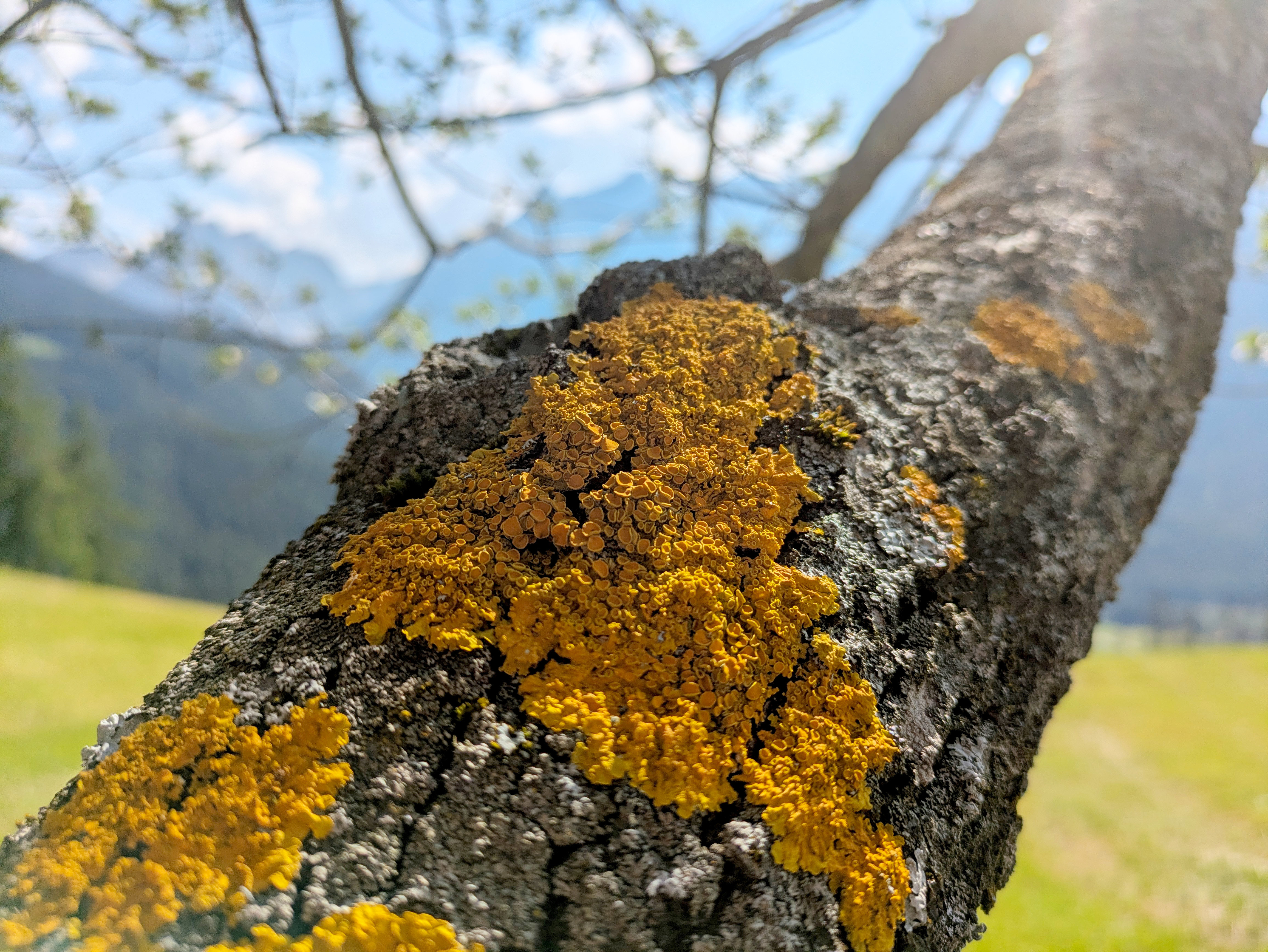
Our study shows that fungal siderophores can also promote symbiosis in lichens. Although often overlooked because of their slow growth and inconspicuous appearance, lichens have significant ecological, economic, and scientific impacts on human life. They are among the most reliable bioindicators of air quality and produce hundreds of unique secondary metabolites with antimicrobial, antiviral, antioxidant, and anti-inflammatory properties, making them promising sources of novel therapeutic compounds. Ecologically, lichens play a crucial role in ecosystem functioning by colonizing bare rock and initiating soil formation, retaining moisture, and providing food and habitat for a wide range of organisms. For example, they constitute a major winter food source for caribou and reindeer in Arctic regions. In addition, lichens serve as outstanding model systems for studying symbiosis, as well as mechanisms of tolerance to environmental stresses such as desiccation, ultraviolet radiation, and extreme temperatures. Lichens - partnerships between a fungus (the mycobiont) and a photosynthetic partner (the photobiont), typically an alga or cyanobacterium - thrive in nutrient-poor habitats, yet their response to iron limitation has been unclear. Both partners depend on iron-rich pathways, and the photobiont has an especially high demand: the photosynthetic electron transport chain accounts for a significant proportion of the cellular iron in microalgae.
We hypothesized that the lichen-forming mycobiont Xanthoria parietina (phylum: Ascomycota; class: Lecanoromycetes) synthesizes siderophores to secure iron for itself and to support its photobiont, the green microalga Trebouxia decolorans. Compared with many other lichens, X. parietina tolerates agricultural, urban, and industrial environments, resists pollution, and commonly colonizes rocks and tree bark. Genomic and transcriptomic resources for the X. parietina mycobiont facilitate molecular interpretation, and axenic cultures of both symbionts enable the production of sufficient biomass for biochemical and physiological analyses.
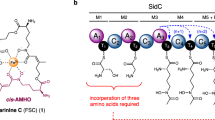
We characterized the mechanisms that maintain iron homeostasis in X. parietina and found that the fungal partner produces the siderophore ferrichrome in both lichen thalli and axenic culture. A ferrichrome‑synthesizing nonribosomal peptide synthetase with a compact, lichen-specific architecture remained fully active when heterologously expressed in a non-lichenized ascomycete, confirming its function; this compact architecture is highly conserved across other lichen mycobionts. Genome mining revealed the genetic basis for siderophore‑mediated iron uptake and indicated additional capacities for reductive iron assimilation and iron detoxification via vacuolar sequestration. The siderophore system was transcriptionally up-regulated in thalli growing on concrete compared with organic substrates. Most notably, ferrichrome enhanced photobiont growth, providing the first functional evidence of siderophore‑mediated iron acquisition within a lichen and identifying ferrichrome as a key mediator of mutualistic nutrient exchange.
Mycobiont-derived ferrichrome that supports iron acquisition in both partners complements the established exchanges of carbon, phosphorus, and nitrogen in lichens. More broadly, our findings expand the view of fungal siderophores as versatile mediators of biotic interactions -able to promote mutualism as well as drive microbial competition and pathogen virulence.
If you enjoyed this insight, you can read the full story here: https://doi.org/10.1038/s41467-026-74988-9
Follow the Topic
-
Nature Communications
An open access, multidisciplinary journal dedicated to publishing high-quality research in all areas of the biological, health, physical, chemical and Earth sciences.

Related Collections
With Collections, you can get published faster and increase your visibility.
Women's Health
Publishing Model: Hybrid
Deadline: Ongoing
Tumor Microenvironment Crosstalk and Therapeutic Implications
Publishing Model: Hybrid
Deadline: Nov 02, 2026

