Meet the SDG3 Researcher: Dr Souhaila Al Khodor
Published in Microbiology, Biomedical Research, and General & Internal Medicine

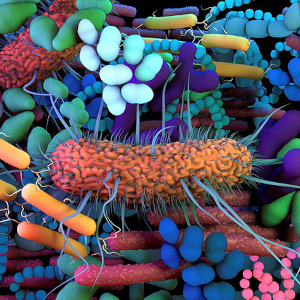
My goal? To uncover insights that could lead to better interventions for mothers and their children.
In this Q&A, I speak with Dr Souhaila Al Khodor, PhD, about her career and research focus on women's and infants health, and how her efforts contribute directly to achieving Sustainable Development Goal 3: Ensure healthy live and promote well-being for all at all ages.
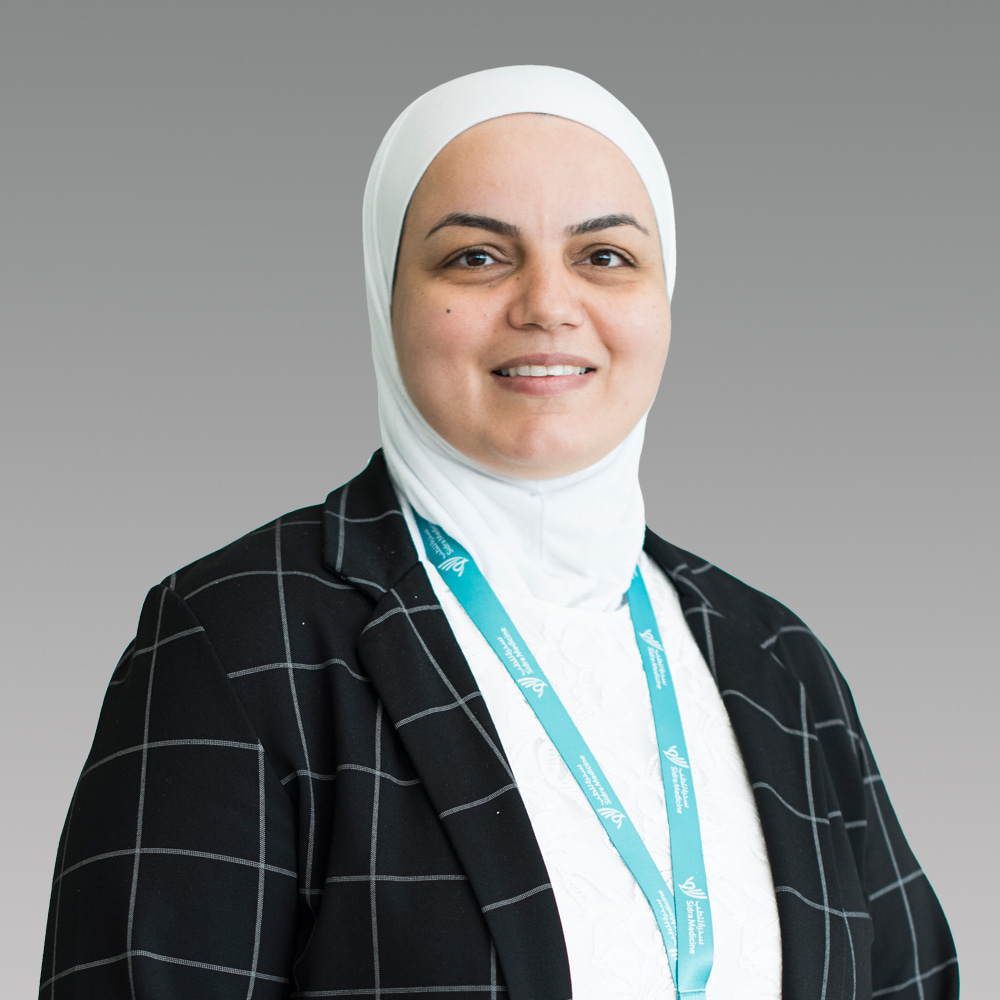
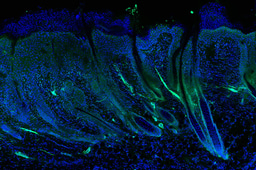
As a Section Editor in Journal of Translational Medicine, Dr Al Khodor leads the Translational Metagenomics section, established in 2021. The section provides a platform for studies addressing the role of human microbiome in health and disease, with a special interest in the development and application of metagenomics and novel bioinformatics tools.
Please tell us a bit about yourself.
I am currently the Director of Reproductive and Perinatal Health Division in the Research Branch at Sidra Medicine, Qatar since June 2019. I am particularly interested in investigating the intricate role of the microbiome in health and disease, with a specific emphasis on maternal and child health. My journey into the field of Microbiology commenced in 2001, upon obtaining a Bachelor's degree in Medical Lab Technology. I assumed responsibility for the Microbiology section of a hospital's medical lab, which sparked my enduring passion for this field. This ardor intensified during my doctoral and postdoctoral work at the University Of Louisville, KY, and at NIAID, NIH, where I delved into characterizing the interactions between bacteria and their hosts.
 My journey continued with a transition to Sidra Medicine in Qatar, where my research interests evolved from studying individual pathogens to deciphering the profound impact of microbial communities (microbiota) on human health. Presently, my laboratory is devoted to understanding the multifaceted roles of the microbiome in both health and disease mainly focusing on women’s and infants health.
What led you to focus your research on women's and infants health?
In 2015, I moved from the U.S. to Qatar to join Sidra Medicine, a pioneering women’s and children’s hospital. While conducting research here, I was struck by two alarming statistics: over 33% of pregnant women in Qatar develop gestational diabetes, and nearly 10% of babies are born prematurely. Recognizing that the microbiome plays a pivotal role in the first 1,000 days of life—spanning pregnancy and early childhood—I dedicated my research to unravelling how microbial communities influence health during this critical developmental window. My goal? To uncover insights that could lead to better interventions for mothers and their children.
Please tell us more about your research team.
My team is multidisciplinary, with researchers working on the microbiome, mycobiome and virome of pregnancy, focusing on the changes in the gut, oral or vaginal cavities, while others are interested in studying the breast milk and placental microbiome composition. We are also interested in understanding the microbial sharing between the mother and her baby, and what factors may disrupt this mechanism. This great team of wet lab researchers is also complemented by bioinformaticians who perform the data analysis.
My research is funded by various sources including Sidra Medicine, Qatar Research, Development and Innovation (QRDI).
How does your work relate to SDG3?
As the Director of the Reproductive and Perinatal Health Division at Sidra Medicine (Qatar), I lead research initiatives that directly contribute to SDG 3’s targets—particularly maternal health (3.1), child health (3.2), and combating non communicable diseases (3.4)—through cutting-edge investigations into the microbiome’s role in health and disease.
Key SDG3 contribution highlights are:
-
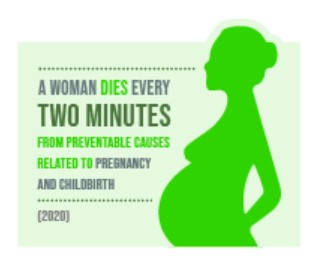
- Maternal Health (3.1) - My work on the vaginal microbiome tackles preventable pregnancy complications such as preterm birth.
- Child Health (3.2) - Research related to breastfeeding, breast milk microbiome and sharing patterns between the mother and her infant. This is in addition to several projects related to the role of the microbiome in paediatric chronic conditions such as Inflammatory bowel disease and Nephrotic syndrome.
- Disease Prevention (3.4) - Using microbiome signatures to predict NCDs (e.g., cardiovascular diseases).
Another research initiative that you are leading which contributes to SDG3 is the recently launched article collection "Microbiome in the First 1000 Days of Life". Could you tell us more about this?
The first 1000 days of life from conception to a child's second birthday, represent a critical window of development. During this highly dynamic period, the maternal microbiome plays a fundamental role in shaping the infant’s microbiome, immune system, metabolic and neurodevelopmental processes.
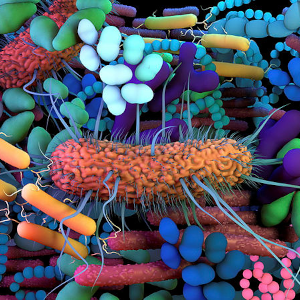
Several factors influence the “seeding” of microbiome in early life, including maternal health, mode of delivery, gestational age, use of antibiotics, breastfeeding, and type of diet. Emerging evidence suggests that microbial dysbiosis during early life may contribute to an increased risk of chronic diseases, including allergies, obesity, and neurodevelopmental disorders among others. Understanding the dynamics of the early life microbiome, factors involved in its composition, mechanisms by which it interacts with the host and identifying interventions to promote a healthy microbiome “seeding” are key areas of ongoing research.
With the recent launch of the collection, the aim is to highlight recent advancements in microbiome research during early life and its implications for long-term health.
Finally, is there a person or a resource that has particularly inspired you?
The foundation of my work in maternal-child microbiome research was built upon early inspiration from my mentors, Dr Mohamed El Zaatari (Lebanon) and Dr Yousef Abu Kwaik (U.S.). Their guidance planted the seeds of curiosity that grew into my lifelong passion for unravelling those microbial mysteries.
Check out the Microbiome in the First 1000 Days of Life article collection and read the latest articles from the Translational Metagenomics section of Journal of Translational Medicine!
Follow the Topic
-
Journal of Translational Medicine
Journal of Translational Medicine is an open access journal publishing articles focusing on information derived from human experimentation so as to optimise the communication between basic and clinical science.

Related Collections
With Collections, you can get published faster and increase your visibility.
Computational Modelling and Network Medicine in Drug Toxicology and Clinical Pharmacovigilance
Computational approaches are becoming indispensable in the field of translational pharmacology and systems medicine. In particular, the integration of computational modelling and network medicine is reshaping our understanding of drug toxicity, safety profiling, and clinical pharmacovigilance. With the rapid accumulation of multi-omics, electronic health records, and real-world pharmacovigilance data, there is an urgent need for advanced computational frameworks to identify hidden drug–target–phenotype associations and elucidate mechanisms underlying adverse drug reactions (ADRs) and toxicities. Drug toxicology and pharmacovigilance are key components of translational medicine, bridging molecular mechanisms with patient outcomes. However, predicting and preventing drug-induced toxicities remain challenging due to the complexity of biological systems and individual heterogeneity. Network-based and machine learning methods, such as graph neural networks, causal inference, and mechanistic modelling, are providing new opportunities to reveal system-level toxicity pathways, optimize drug safety assessment, and enhance early signal detection in clinical practice.
This collection aims to gather latest research and comprehensive reviews that explore computational, network-based, and AI-driven strategies in drug toxicology and pharmacovigilance. We seek contributions that demonstrate how integrative modelling, network pharmacology, and multi-scale data analysis can advance the prediction, understanding, and management of drug-related adverse effects, ultimately contributing to safer and more effective therapeutics.
Potential topics include, but are not limited to:
- Computational modelling for drug toxicity prediction
- Network medicine approaches to drug safety and toxicity mechanisms
-Machine learning and AI in pharmacovigilance signal detection
-Integrative modelling of drug–target–pathway interactions
-Systems pharmacology and multi-omics network analysis in toxicology
-Network-based biomarker discovery for adverse drug reactions
-Data-driven prediction of idiosyncratic and immune-related toxicities
-Translational applications of network and computational models in clinical drug safety assessment
All submissions in this collection undergo the journal’s standard peer review process. Similarly, all manuscripts authored by a Guest Editor(s) will be handled by the Editor-in-Chief. As an open access publication, this journal levies an article processing fee (details here). We recognize that many key stakeholders may not have access to such resources and are committed to supporting participation in this issue wherever resources are a barrier. For more information about what support may be available, please visit OA funding and support, or email OAfundingpolicy@springernature.com or the Editor-in-Chief.
Publishing Model: Open Access
Deadline: Dec 09, 2026
Section on Neuroscience
The Neuroscience section aims to foster publications that bridge the gap between basic preclinical research and its medical applications for patients in the neuroscience field. We welcome contributions that present new biomarkers, therapeutic targets, novel tools, methods, or strategies to advance in the development of new solutions for neurological patients. This section seeks to expand knowledge in the discipline by prioritizing the publication of high-quality original research.
Publishing Model: Open Access
Deadline: Ongoing