Not All FoxP3-Positive Lymphocytes Are Equal: Spatial Localization Predicts Survival in Pancreatic Cancer
Published in Cancer, General & Internal Medicine, and Immunology
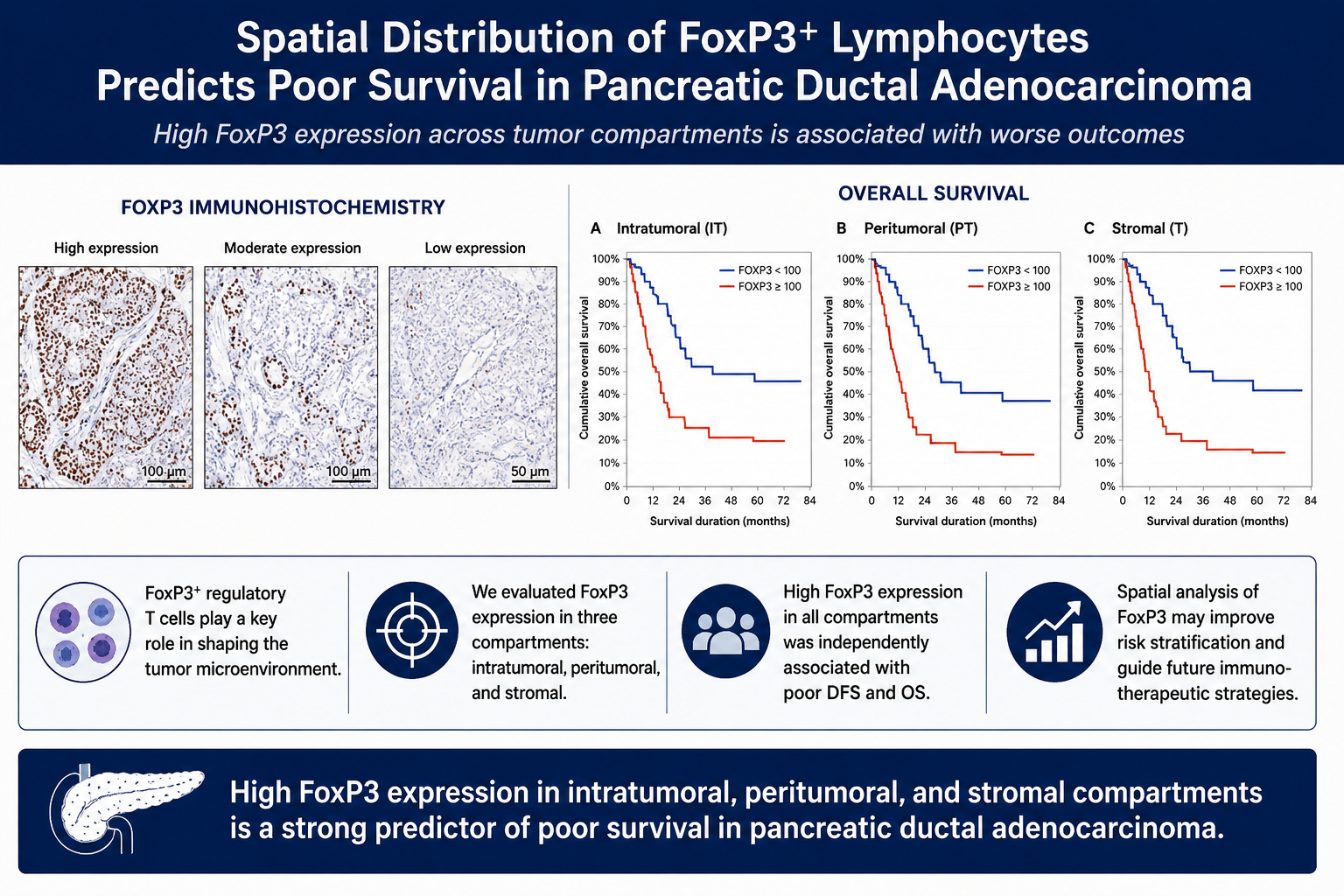



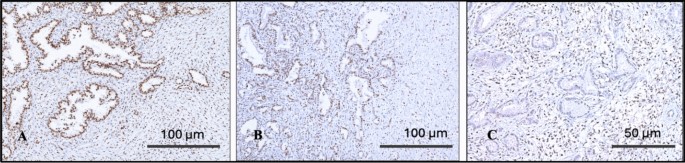

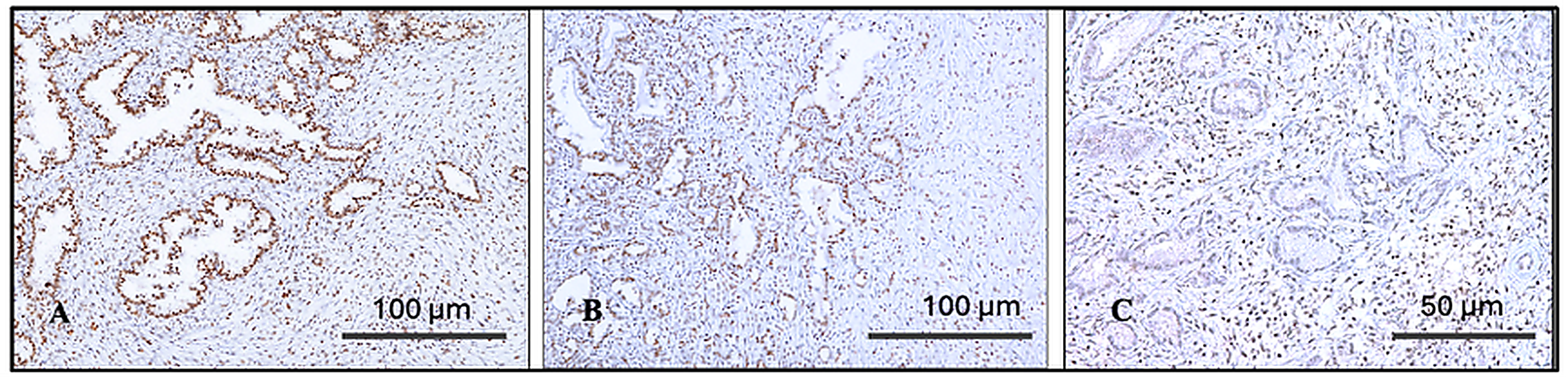
Why Study FoxP3?
FoxP3-positive lymphocytes are commonly associated with regulatory T-cell activity and immune suppression. Although several studies have examined FoxP3 in pancreatic cancer, most evaluated it as a single measurement without considering where these immune cells were located.
We hypothesized that the biological significance of FoxP3-positive lymphocytes might depend on their spatial distribution within the tumor microenvironment.
To investigate this question, we analyzed 98 surgically resected PDAC cases and separately assessed FoxP3 expression in three distinct compartments:
- Intratumoral (IT)
- Peritumoral (PT)
- Tumor-associated stromal (T)
This compartment-based approach enabled a more detailed characterization of the immune landscape surrounding pancreatic cancer.
High FoxP3 Expression Predicts Poorer Overall Survival
One of the most striking findings of our study was the consistent association between elevated FoxP3 expression and reduced overall survival.
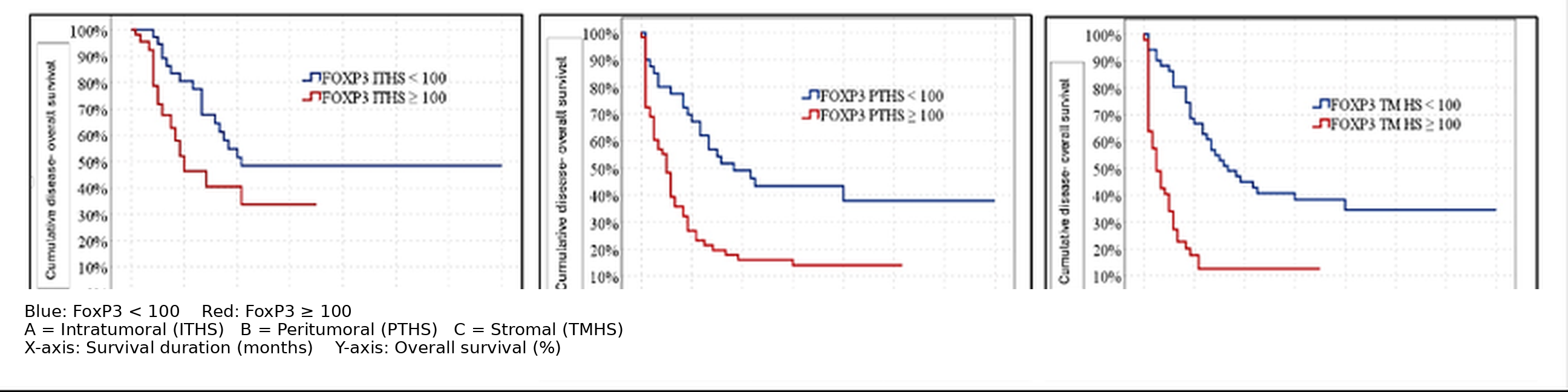
Across all evaluated compartments, patients with high FoxP3 expression demonstrated significantly shorter overall survival than those with low expression.
These findings suggest that immunosuppressive immune populations contribute to aggressive tumor behavior regardless of their precise anatomical location.
High FoxP3 Expression Also Predicts Earlier Recurrence
Overall survival represents only one aspect of clinical outcome. We therefore evaluated disease-free survival to determine whether FoxP3-positive lymphocytes were also associated with tumor recurrence.
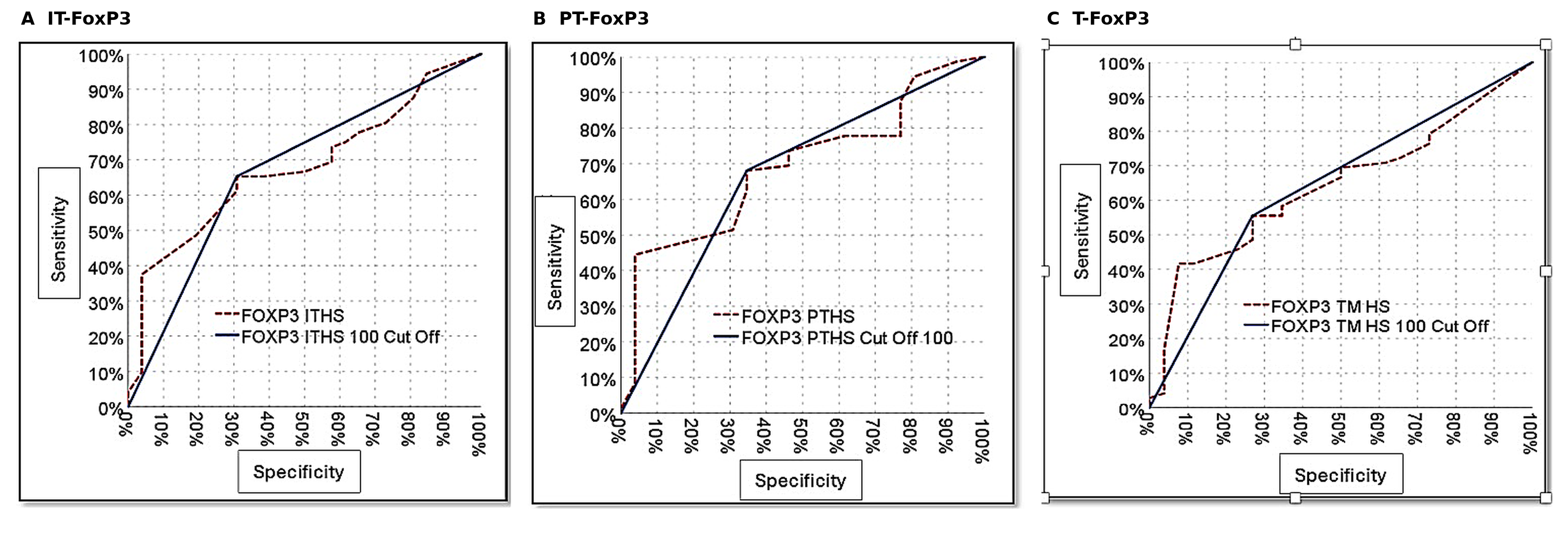
Figure 8. Kaplan–Meier disease-free survival curves according to FoxP3 expression.
Patients exhibiting higher FoxP3 expression experienced earlier recurrence following surgical resection. This finding suggests that FoxP3-associated immune suppression may influence not only mortality but also mechanisms driving disease progression and relapse.
Prognostic Effects Persist in Patients Receiving Adjuvant Therapy
An important question was whether FoxP3 retained prognostic significance among patients receiving postoperative chemotherapy.
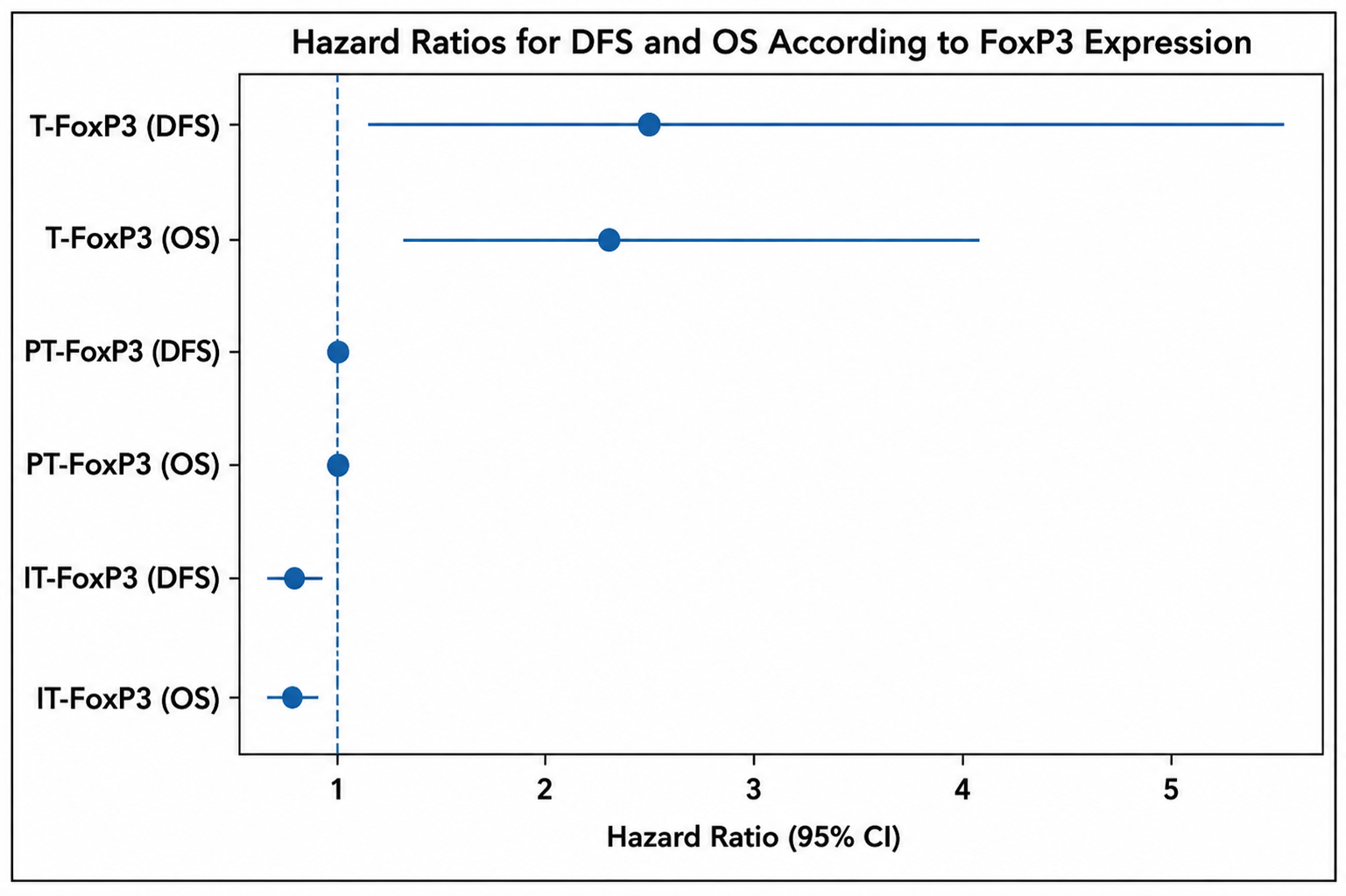
Interestingly, compartment-specific FoxP3 expression remained associated with survival outcomes even within this clinically important subgroup. These findings support the robustness of spatial immune profiling and suggest that FoxP3-related biology may remain relevant despite systemic treatment.
Why Spatial Pathology Matters
Traditional pathology has always relied on spatial information. Pathologists routinely evaluate tumor invasion, lymphovascular invasion, surgical margins, and many other features based on anatomical relationships.
Our findings suggest that immune biomarkers should be approached similarly.
Rather than simply determining whether immune cells are present, future pathology workflows may increasingly focus on where these cells are located and how they interact with surrounding structures.
Advances in digital pathology, artificial intelligence, multiplex imaging, and spatial transcriptomics may further enhance our ability to characterize these complex relationships.
Key Findings
🔬 98 resected PDAC patients were evaluated.
📍 FoxP3-positive lymphocytes were assessed separately in intratumoral, peritumoral, and stromal compartments.
📈 High FoxP3 expression predicted significantly shorter overall survival.
📉 High FoxP3 expression predicted shorter disease-free survival.
🧬 Spatial localization provided clinically meaningful prognostic information.
🚀 Spatial pathology approaches may improve future biomarker development and personalized treatment strategies.
Citation
Kandemir H, Solakoglu Kahraman D, Aktas S, Unal OU, Cagiral S. Spatially Resolved FoxP3 Positive Lymphocyte Infiltration Within the Tumor Microenvironment Predicts Survival in Resected Pancreatic Ductal Adenocarcinoma. Discover Oncology. 2026. DOI: 10.1007/s12672-026-05195-7
Follow the Topic
-
Discover Oncology
This is a fully open access general oncology journal that aims to provide a unified forum for researchers and clinicians. The journal spans from basic and translational science, to preclinical, clinical, and epidemiology, and welcomes content that interfaces at all levels of cancer research.

Ask the Editor – Inflammation, Metastasis, Cancer Microenvironment and Tumour Immunology
Got a question for the editor about inflammation, metastasis, or tumour immunology? Ask it here!
Continue reading announcementRelated Collections
With Collections, you can get published faster and increase your visibility.
Advanced in Therapy Targeting Cancer and Cancer Stem Cells [Volume II]
This Collection is dedicated to exploring the intricate landscape of cancer, with a special emphasis on cancer stem cells, reactive oxygen species (ROS), antioxidants, and the crucial roles of endoplasmic reticulum stress and oxidative stress in the progression and treatment of cancer. It seeks to uncover the complex biological mechanisms and pathways that are fundamental to the onset, development, and persistence of cancer, spotlighting the pivotal science behind cancer stem cells. These cells, a small but significantly impactful subset within tumors, have the capacity for self-renewal and are key drivers of tumor growth and metastasis, thereby playing a crucial role in the challenge of combating cancer recurrence. Additionally, the Collection delves into the nuanced role of ROS, which serves not only as agents of cellular damage but also as essential signaling molecules that can promote or inhibit cancer progression. This exploration sheds light on the delicate balance between oxidative stress and the body's antioxidant defenses, which is vital in the development and progression of cancer.
Moreover, this Collection investigates the impact of oxidative stress and endoplasmic reticulum stress on cellular health, particularly focusing on how an imbalance in ROS can lead to DNA damage, and how stress from misfolded proteins can trigger cellular responses that affect cell survival, apoptosis, and cancer development. These discussions aim to connect these stress mechanisms to the broader understanding of cancer biology.
Intended for researchers, clinicians, and students, this collection provides a comprehensive overview of current research findings and theoretical models at the intersection of cancer biology and cellular stress mechanisms. It aims to offer insights into potential therapeutic targets and interventions, with a pronounced emphasis on the role and therapeutic potential of targeting cancer stem cells. This focus is envisioned to contribute significantly to the development of more effective treatments for cancer, addressing both its onset and recurrence.
Keywords: cancer, cancer stem cells, reactive oxygen species, antioxidants, endoplasmic reticulum stress, oxidative stress
Publishing Model: Open Access
Deadline: Aug 31, 2026
Tumor Metabolism and Microenvironmental Adaptations: Emerging Targets for Cancer Therapy
Tumor cells thrive in hostile environments by rewiring their metabolism and dynamically adapting to microenvironmental stressors such as hypoxia, nutrient deprivation, acidosis, and immune surveillance. These metabolic adaptations not only support survival and proliferation, but also contribute to immune evasion, metastasis, and resistance to therapy. Simultaneously, the tumor microenvironment (TME), composed of stromal, endothelial, and immune cells, actively participates in shaping these metabolic landscapes through complex signaling and metabolic crosstalk.
This Collection aims to explore the intricate interplay between tumor metabolism and the TME, highlighting how these adaptive mechanisms can be exploited as novel therapeutic opportunities. We welcome original research articles and reviews that address, but are not limited to, topics such as metabolic plasticity in cancer, immunometabolism, metabolic interactions within the TME, hypoxia-driven pathways, metabolic targets in drug-resistant tumors, and innovative therapeutic strategies aimed at disrupting tumor metabolic networks. Submissions focusing on translational approaches or integrating multi-omics data to uncover actionable metabolic vulnerabilities are particularly encouraged. By advancing our understanding of these hallmarks of cancer, this Collection seeks to foster the development of metabolism-based therapies capable of overcoming current therapeutic limitations.
Keywords: tumor metabolism, tumor microenvironment, metabolic plasticity, drug resistance, cancer therapy
Publishing Model: Open Access
Deadline: Dec 04, 2026


Please sign in or register for FREE
If you are a registered user on Research Communities by Springer Nature, please sign in