Now, Let's Do Environmental Surveillance Proper!
Published in Earth & Environment and Microbiology
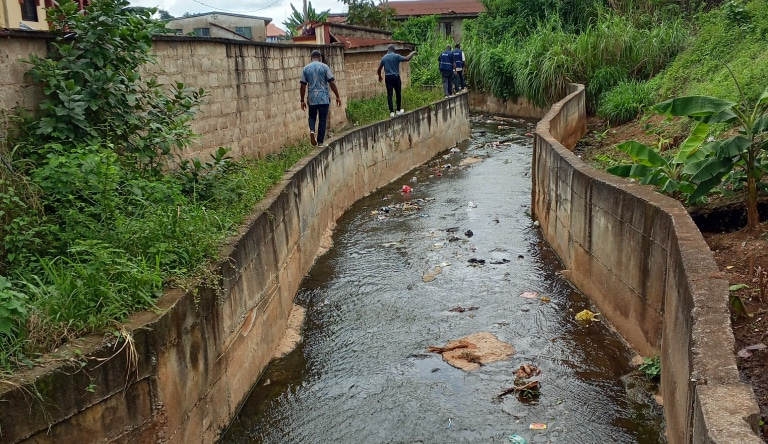


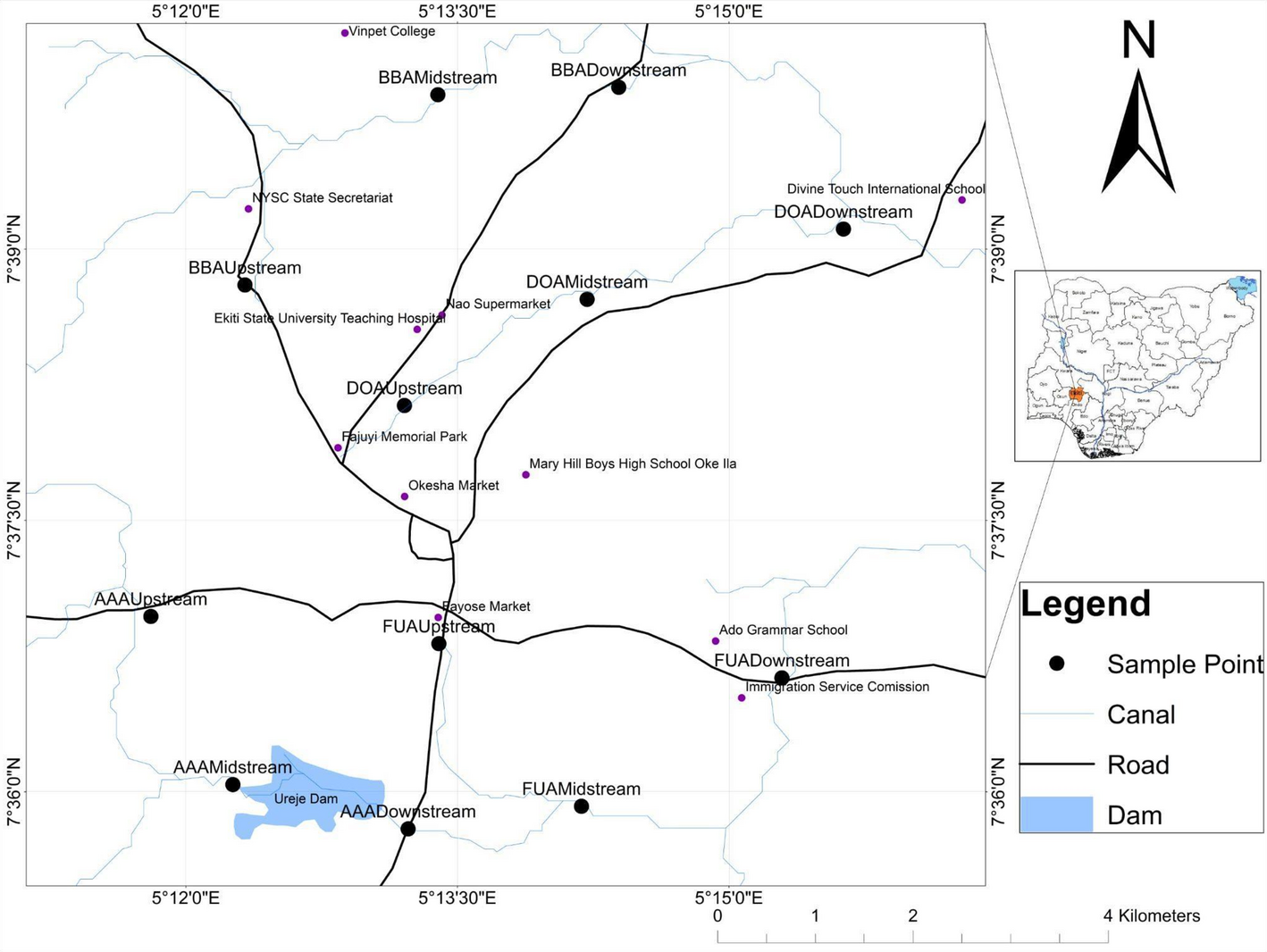

My first paper in Springer Nature was "Investigation of the water-use behaviours of households in proximity to water canals in Ado-Ekiti, Nigeria" (https://doi.org/10.1007/s43832-025-00282-2). I had actually worked on four surface water canals, but the sheer size of the data made me publish only the results for two canals for my subsequent second paper.
Due to this, I had, and still have, extensive knowledge of the vast areas under study and even beyond, having been investigating water canals in Ekiti State, Nigeria, since 2018. Because of this, I had planned to begin extensive communication work at my firm, MicroBiotics NG (www.microbiotics.com.ng), to start sharing my findings. But a few days after my second article was published in September 2025, I received a call that changed a lot of things.
The Director of the World Health Organisation's National Polio Laboratory in UCH, Ibadan, Nigeria, where I did all my virological assays, had recommended me to a National Environmental Surveillance Officer for the same World Health Organisation for wastewater and environmental surveillance in Ekiti State.
Wastewater and environmental surveillance (WES) is disease surveillance using samples from sewage or other environmental waters impacted by human waste, having the potential to provide information alongside other forms of disease surveillance to fill gaps in other surveillance data and inform the public health response.
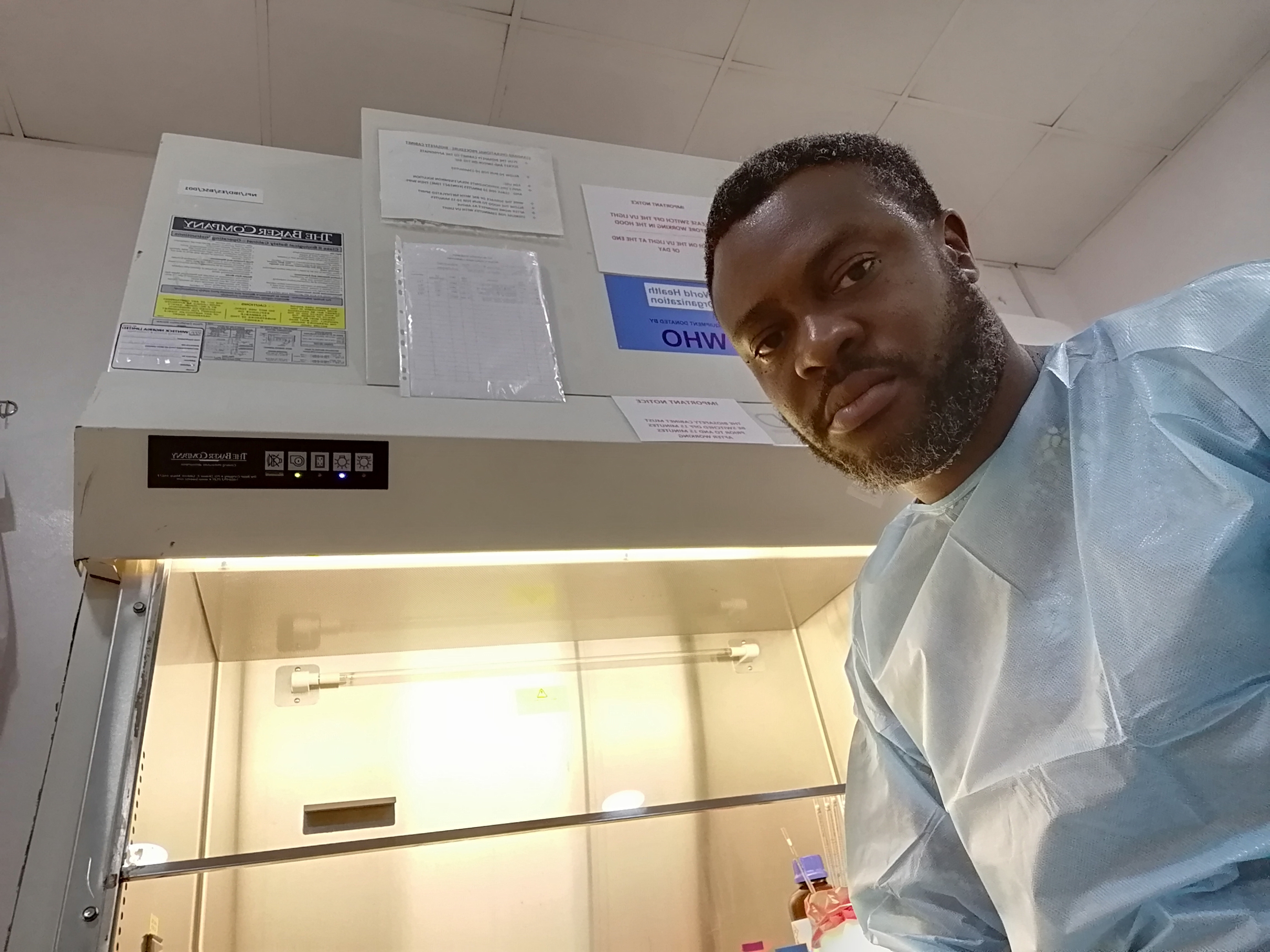
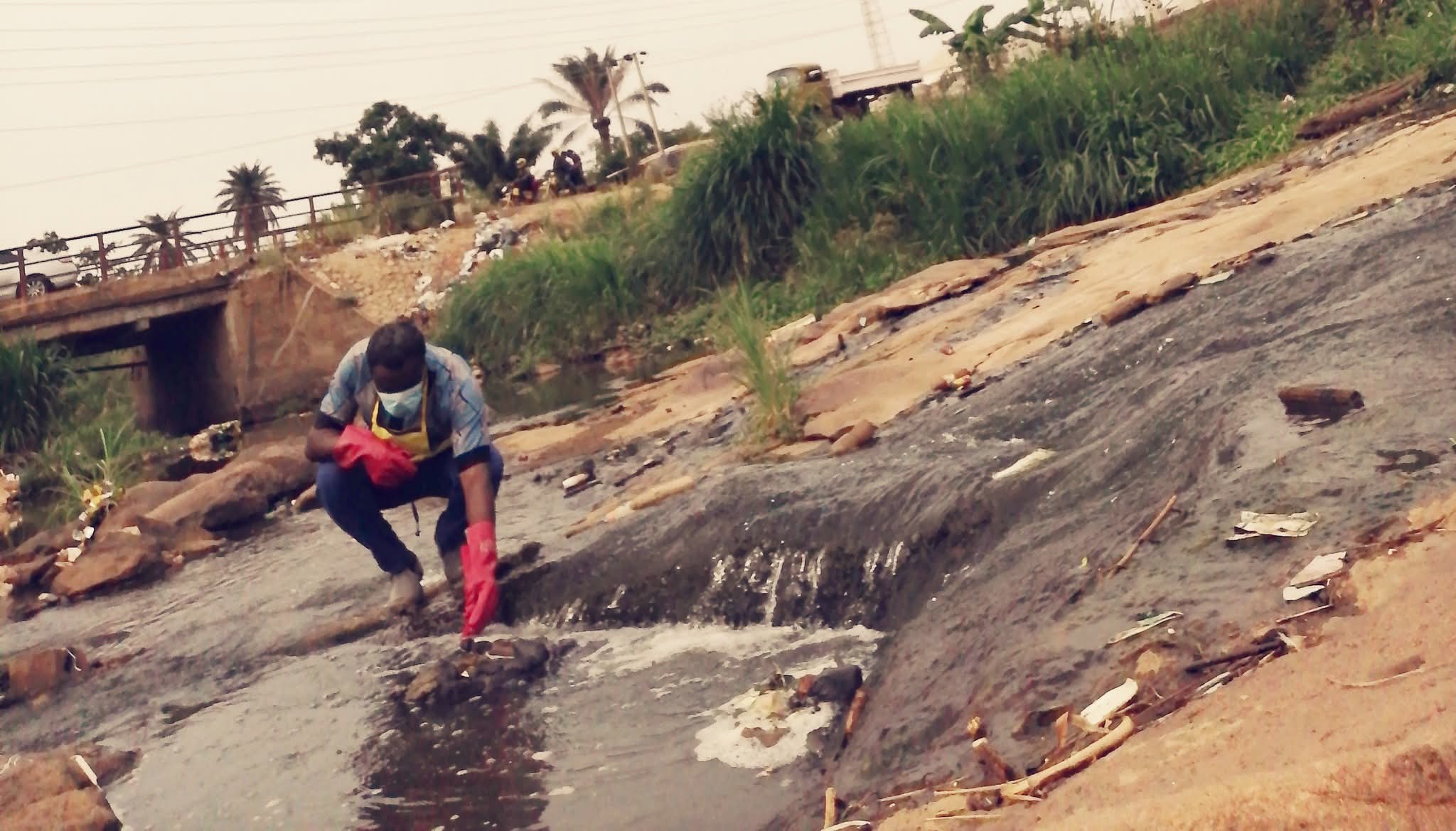
Because of my detailed knowledge of all those interconnected canals that cut across the city, the sites of sample collections and expertise in the collection, transportation and laboratory handling/analyses of these samples, I was recommended to Dr. Kabir. He was one of the most enthusiastic, brilliant and hard-working field officers I've ever worked with, demonstrating zeal, strength and immense knowledge while humbly and firmly leading our team, which now consisted of the State Disease Surveillance and Notification Officer and the WHO State Surveillance Officer representative.
Together, we were able to, for three days, investigate nearly 15 sites for potential ES sample collection, finally picking two sites. Of course, it was tough work, but I'm used to fieldwork and environmental surveillance. And the activity also presented an opportunity to learn so much, as Dr. Kabir took time to provide on-the-job training and even shared many journal articles with me. It was indeed a very productive and exciting activity for me, as I got to really apply the knowledge gained while carrying out my PhD research, which led to the publications provided above.
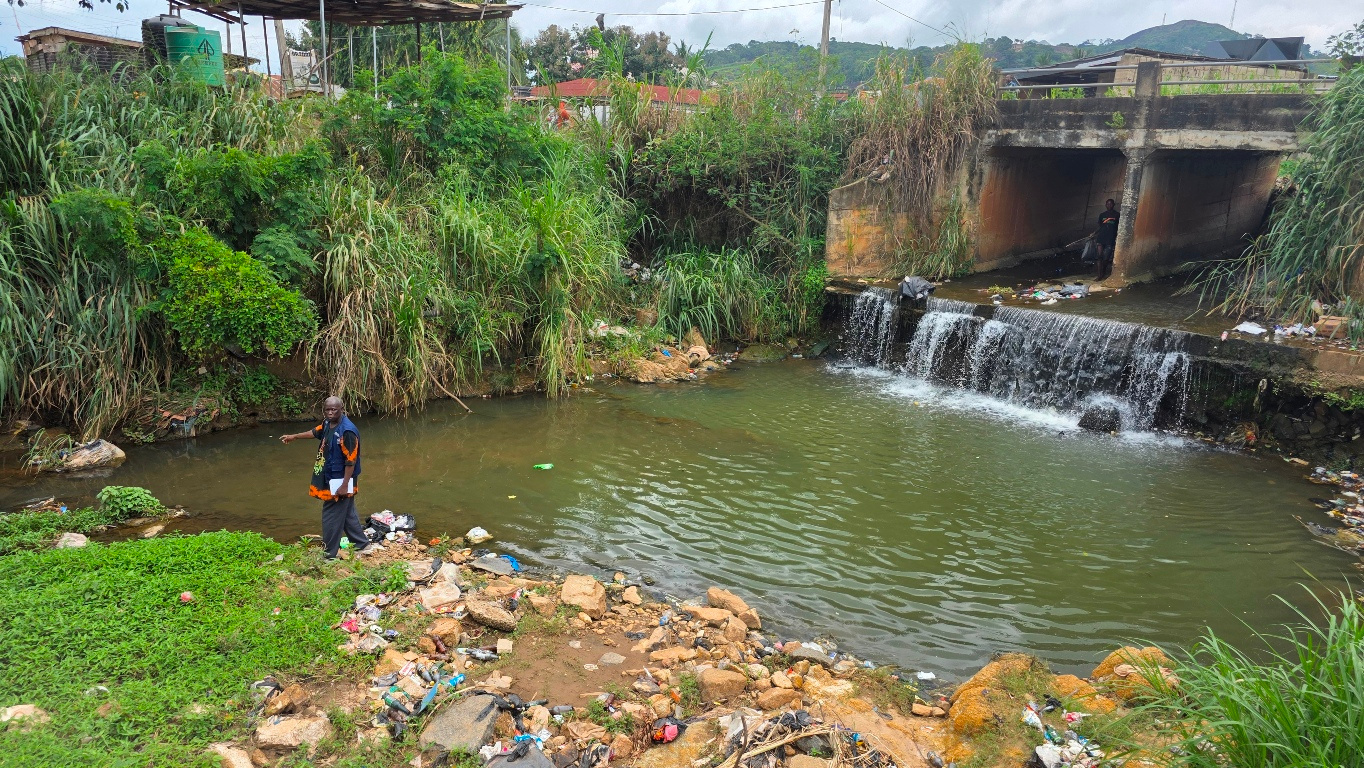
And as a public health virologist with a focus on environmental surveillance of surface water in my state, Ekiti State and beyond, I am looking forward to many more public health adventures in this area of specialisation. Most particularly, to share the knowledge and communicate more with the public about the importance of the work that I do.

Follow the Topic
-
Discover Water
This journal is part of the Discover journal series. It is an open access, community-focussed journal publishing research from across all fields relevant to water research.

Related Collections
With Collections, you can get published faster and increase your visibility.
A Sustainable Use of Water Resources for Energetic Purposes
This Collection aims to provide a comprehensive platform for showcasing interdisciplinary research related to the appraisal and management of water resources.
The energy sector relies heavily on water resources, using substantial amounts to meet our energy needs. The sustainability of water resources should be both quantitative and qualitative, preserving their thermal and chemical characteristics before and after energetic use. One of the key focuses of the collection is the sustainable use of water as a geothermal source of energy for space heating and cooling, electricity production, as well as a underground thermal energy storage systems.
With growing global water scarcity and increasing demand for reliable water sources, many research efforts are addressing water shortages and helping to secure our energy needs through sustainable ideas, which contribute against energy poverty in remote areas. Additionally, the focus includes considering water resources for multiple purposes that complement the use of water for energy purposes, making them versatile and usable in various contexts of energetic use of waters.
Through interdisciplinary research spanning engineering, hydrogeology, hydrology, thermodynamics, materials science, environmental analysis, economic evaluation and social aspects, this Collection seeks to foster effective and scalable solutions. These diverse fields contribute to understanding the complex interactions between water use and energy production, ultimately aiming to supply decision-makers with the data and frameworks necessary for shaping sustainable water use practices that promote sustainable development, resilience, synergy, and beyond.
Expected contributions may cover recent developments aimed at a more conscious and sustainable use and management of water resources for energetic purposes. This includes applications in industry, water consumption, health, space heating and cooling, as well as thermal energy production (e.g., open loop systems) and storage (e.g., ATES, aquifer thermal energy storage).
Keywords: Sustainable water use; Water resources; Energy sector; Geothermal waters; Geothermal energy; Geothermal heating and cooling; Thermal energy storage; Aquifer Thermal Energy Storage; Interactions between water use and energy production; Open loop systems; Groundwater management; Seawater; Environmental protection; Economic evaluation; Water consumption.
This Collection supports and amplifies research related to SDG 6, SDG 7, SDG 8, SDG 9, SDG 11 and SDG 12.
Publishing Model: Open Access
Deadline: Nov 01, 2026
Advances in Understanding of Surface Freshwater Processes and Quality: Monitoring, Restoration, Remediation and Treatment
Surface freshwaters, including rivers, lakes and streams are essential to both ecosystems and communities as they are essential for human health, development and prosperity, and are critical for global nutrient cycling. However, anthropogenic activities and changing climate, have introduced pollutants and contaminants and environmental change that significantly affect fundamental aquatic processes required for healthy and productive surface freshwater systems. Therefore, there is a need for novel advances in effective water quality monitoring, remediation, restoration and treatment solutions that can enhance our understanding and management of surface freshwaters.
This Collection seeks to explore novel advances in:
• Fundamental microbial processes within surface freshwaters.
• Restoration and/or remediation of surface waters including nature-based solutions, decentralized technology solutions and community projects.
• Water quality monitoring technologies, including in situ real time solutions, and low-cost systems appropriate for citizen science programmes.
• Decentralized treatment technologies to improve surface water quality or transform surface waters for alternative uses e.g. drinking water, irrigation, energy and healthcare.
Keywords: Freshwater systems; fundamental microbial processes; nature-based solutions; novel decentralized treatment technologies; novel water quality monitoring technologies and approaches; in-situ real time monitoring; citizen science.
This Collection supports and amplifies research related to SDG 3, SDG 6, SDG 10, and SDG 14.
Publishing Model: Open Access
Deadline: Dec 30, 2026