Parkinson's Disease: Can Metabolomics Predict and Explain Its Onset?
Published in Protocols & Methods and General & Internal Medicine


Parkinson's disease (PD) is a complex and debilitating neurodegenerative disorder that affects more than 8 million people worldwide. While treatments can manage symptoms, a cure remains elusive. This is partly because the exact mechanisms causing PD are still unclear.
In our recent study, published in npj Parkinson’s Disease, we explored the potential of metabolomics to shed light on PD. Metabolomics is a powerful tool that allows us to measure a vast array of metabolites that reflect the biological processes as an integrated result of genetic, lifestyle and environmental factors.
Why Focus on Pre-symptomatic PD?
Most PD metabolomics research focuses on individuals already diagnosed. However, the disease process likely begins years before symptoms appear. We believe that studying the metabolic profile of people who will eventually develop PD could reveal crucial clues about the early stages of the disease.
The UK Biobank: Tracking Health Across Thousands
Our study utilised data from the UK Biobank, a large database containing detailed health information from over 500,000 participants since 2006-2010. This unique resource allowed us to follow up individuals for up to 14 years and identify those who later developed PD.
Metabolic Fingerprints of PD
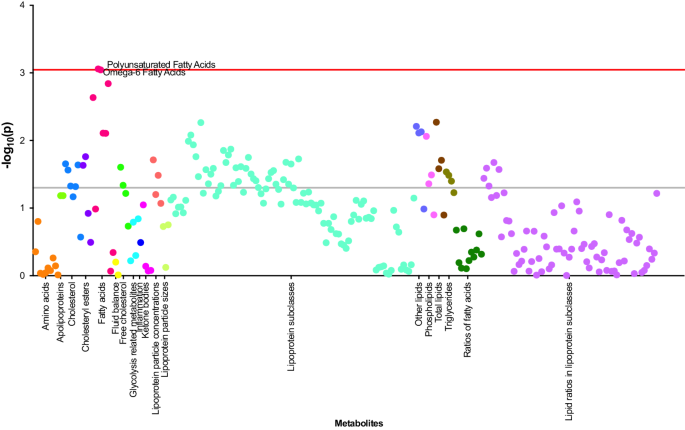
Our analysis revealed the overlapping and distinct metabolites associated with both incident PD and prevalent PD, respectively. One group of metabolites that stood out was polyunsaturated fatty acids (PUFAs), presenting as shared metabolite inversely associated with both incident and prevalent PD. The plausible mechanism lies in its role of anti-inflammatory, anti-oxidative stress and immune modulation properties. Moreover, PUFA derivatives might influence dopamine activity in the basal ganglia, a brain region crucial for movement control and heavily affected in PD.
Beyond Prediction: Unveiling New Pathways
While the identified metabolites did not significantly enhance the PD risk prediction capability of the traditional risk-factor-based models, they point towards specific metabolic pathways potentially involved in PD development. This knowledge can pave the way for future research into these pathways, ultimately leading to the development of new therapeutic strategies.
Follow the Topic
-
npj Parkinson's Disease
This journal publishes original basic science, translational and clinical research related to Parkinson's disease, including anatomy, etiology, genetics, cellular and molecular physiology, neurophysiology, epidemiology and therapeutic development and treatments.

Related Collections
With Collections, you can get published faster and increase your visibility.
Proteomics to Transform Parkinson’s Disease: Mechanisms, Biomarkers, and Therapeutic Targets
Publishing Model: Open Access
Deadline: Oct 27, 2026
Heterogeneity of PD, from biology to clinical
Publishing Model: Open Access
Deadline: Jan 05, 2027