Peritoneal multicystic mesothelioma and the cohesin complex
Published in Cancer, Protocols & Methods, and Genetics & Genomics





Our aim
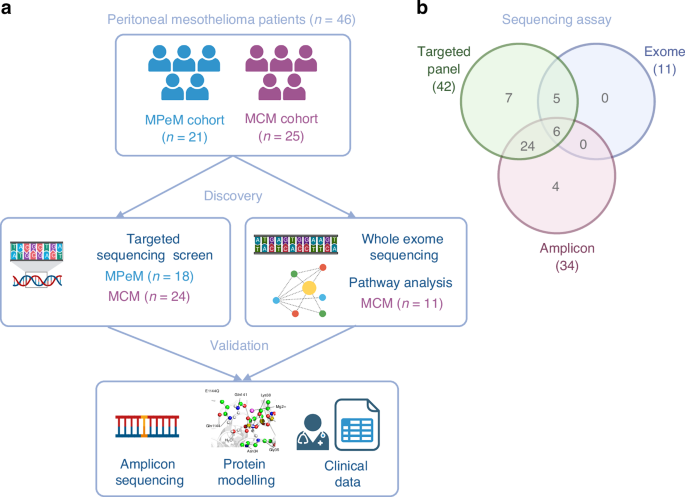
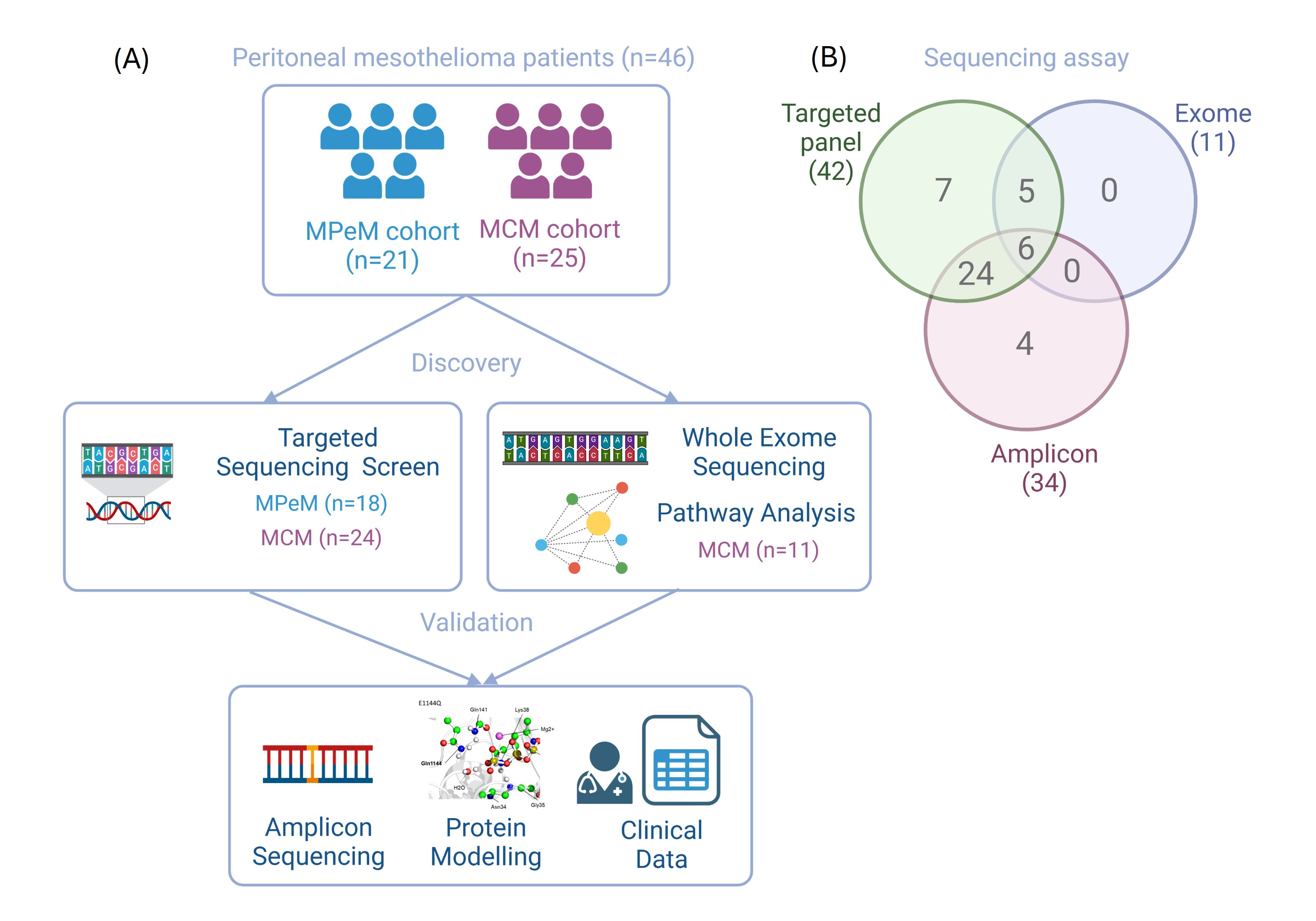
We aimed to assess the genomics of both malignant peritoneal mesothelioma (MPeM) and multicystic mesothelioma (MCM). More is known about the genomics of the more aggressive MPeM, but MCM is often described as benign and it is unclear whether it is a truly neoplastic disease or reactive.
Our approach
Advances in next generation sequencing have made it possible to interrogate tumours at much greater depth and decreased cost. We carried out a staged approach, firstly assessing a panel of around 500 cancer related genes in both MPeM and MCM. We subsequently expanded sequencing in the MCM group to the whole exome (i.e all coding regions) to look for novel genes of interest. Finally, we carried out confirmatory sequencing using a highly sensitive amplicon design and assessed the functional relevance using protein modelling and survival analyses.
An unexpected finding: the cohesin complex
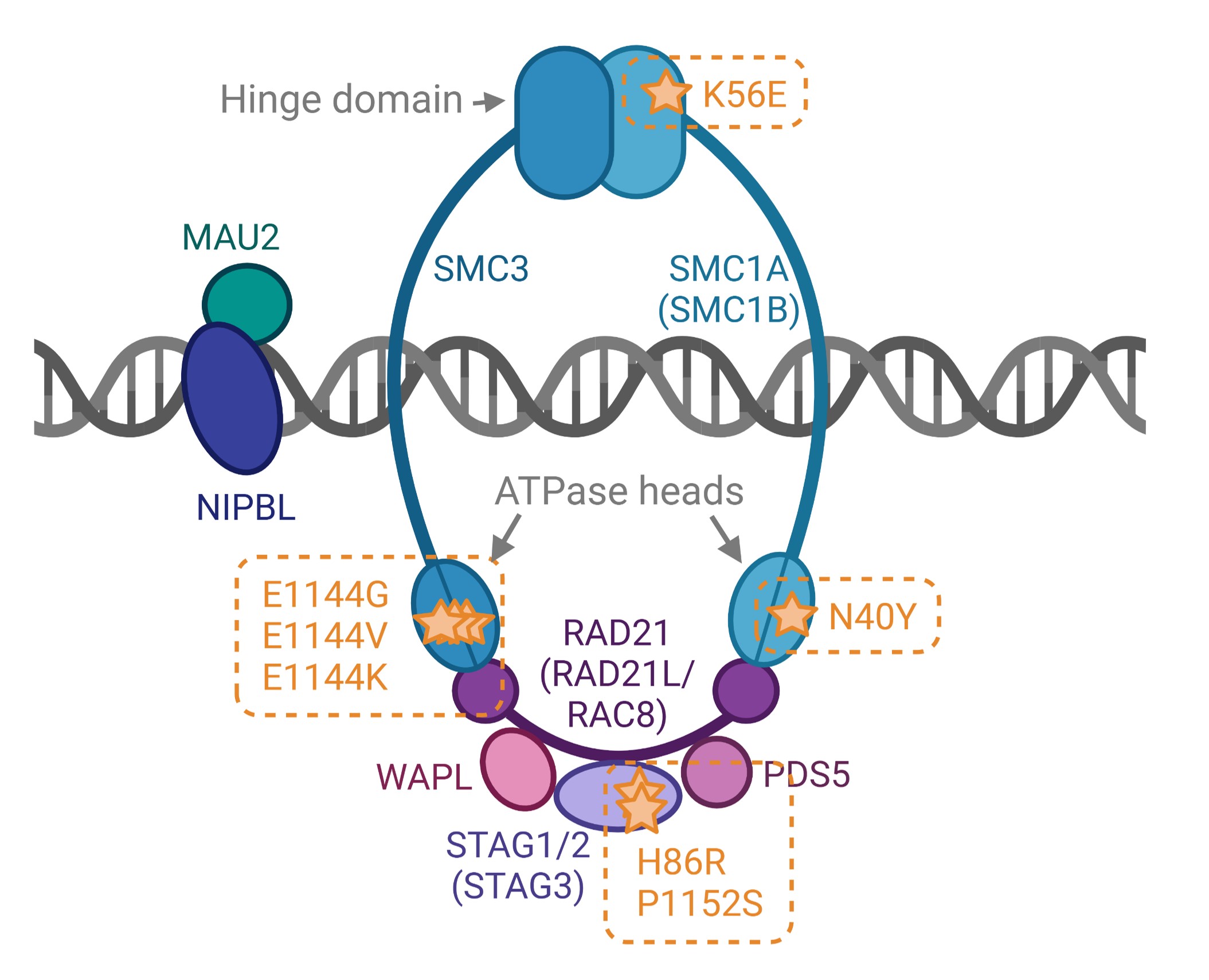
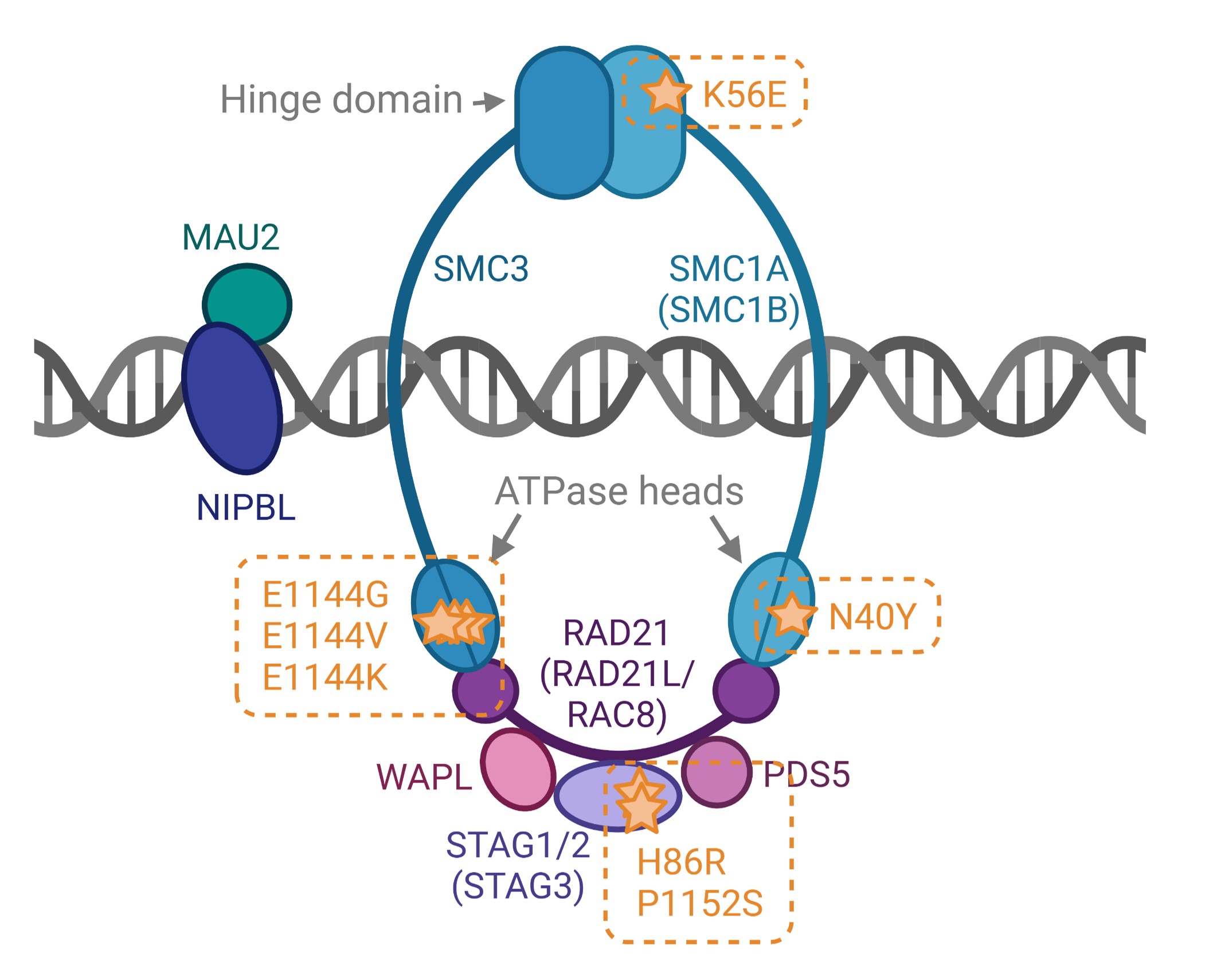
In the gene panel data for the MPeM cohort we found variants in expected genes (eg. BAP1, TP53, KRAS, GNAS) consistent with prior literature. However, the MCM cohort had remarkably few variants in the genes targeted by this panel. It was only when we moved to the exome data that a pattern began to emerge. We noticed and over representation of recurrently mutated genes in the cohesin complex, specifically SMC3, SMC1A, and STAG3.
Going deeper: confirmation and molecular dynamics
Looking in more detail we noticed that the mutations in SMC3 occurred at the same codon (1144) indicating a mutational hotspot. Molecular dynamics simulations indicated a functional role for mutations at this location in the ATPase head domain. Using highly sensitive amplicon sequencing we confirmed the presence of these mutations in a set of our MCM cases, and the absence of mutations at this location in the MPeM cohort showing specificity. In our data we could see that mutations in SMC3 and SMC1A were mutually exclusive, and when looking at the clinical data there was an association between these cohesin related mutations and recurrence of disease.
What this means
In this study we uncovered recurrent mutations in our MCM cohort that support MCM being a true neoplasm rather than a reactive process. Mutations in cohesin complex genes appear important in its pathogenesis and recurrence, with mutations in a functionally important in SMC3 found in 10/19 (53%) samples and mutations in SMC1A in 2/11 (18%), occurring mutually exclusively.

Follow the Topic
-
British Journal of Cancer
This journal is devoted to publishing cutting edge discovery, translational and clinical cancer research across the broad spectrum of oncology.