Potential role of human papillomavirus proteins associated with the development of cancer
Published in Biomedical Research
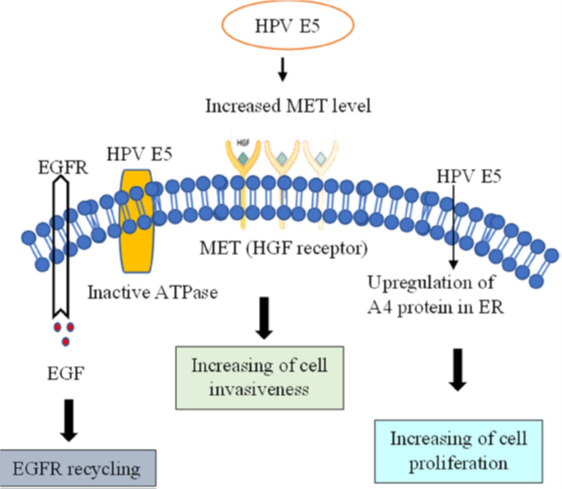
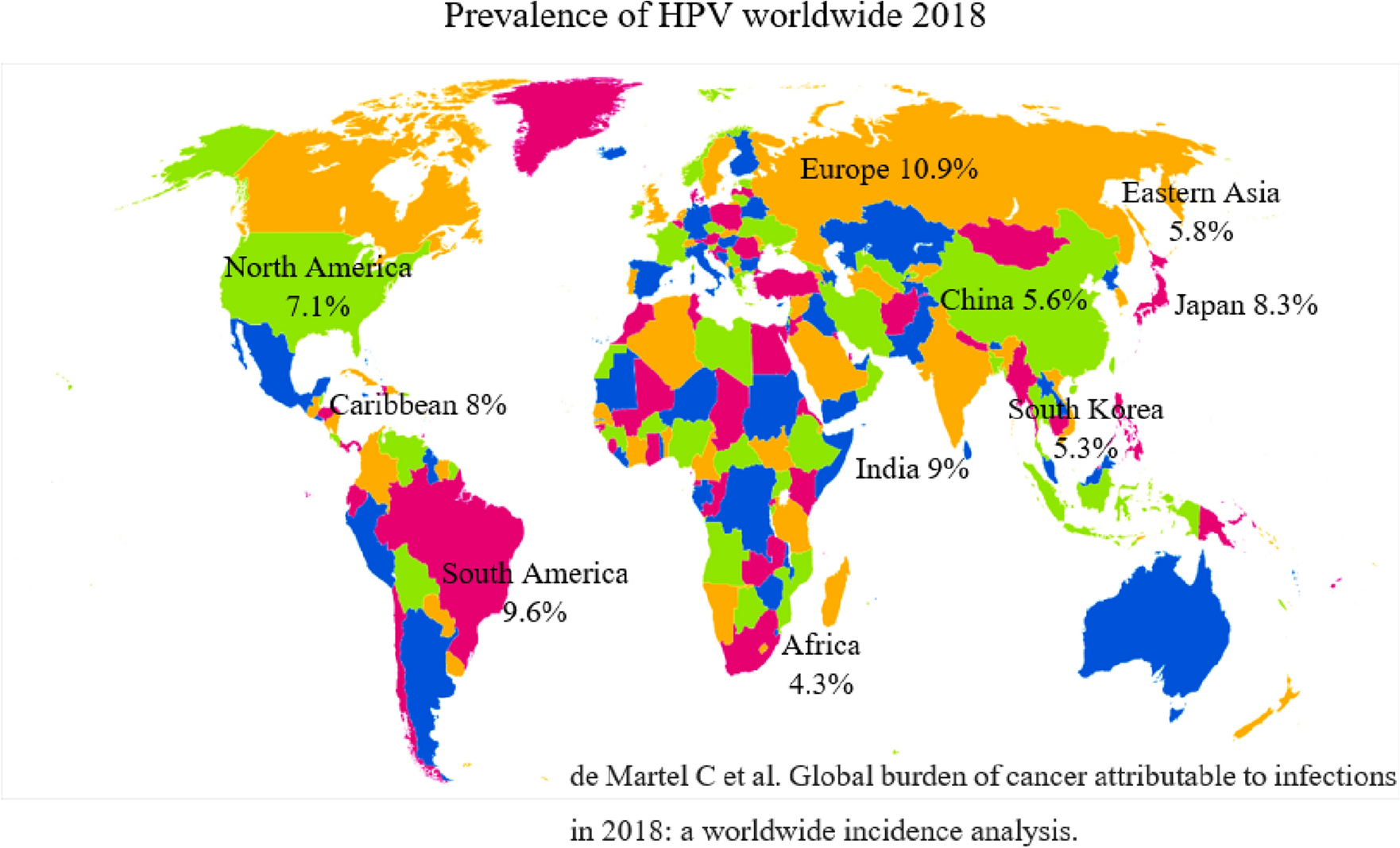

HPVs are a significant cause of illness and death globally. Around 5% of all malignancies in the world and 600,000 cancer occurrences are linked with HPV. Identifying the many HPV strains that cause disease has resulted in improved diagnostic, screening, and preventative measures for the medical community. As the infected cell is forcibly driven to resume DNA replication, E6 performs several functions, interfering with several cellular pathways to establish a conducive environment for viral replication and neutralizing the cellular surveillance mechanisms that are turned on. Oncogenic HPV strains share an ancestral lineage, according to the most recent research. The precise genetic basis for HPV oncogenicity is complicated and will need new analytic techniques. As a model for non-recombinant genome evolution, pathogenicity, genetic factors, and genomic applications for therapeutic use, the HPV genome may be studied. Large-scale investigations will offer protein interactions of HPV high-risk genotypes, and advanced evaluations with progressing tumours (Stage III, IV) will be necessary to validate these present findings for future HPV research. this data will serve as a baseline for vaccination programs. We should screen women with a family history
of cancer for HPV at regular intervals and genetic testing for oncogenes. Improved knowledge of the infection’s genomic features and microenvironment may lead to novel therapeutic interventions, such as preventative vaccinations. In addition,
the genomic studies of this virus might help cure existing lesions and limit the risk of HPV-related malignancies.