Selenium, Drought, and Rice: Connecting Crop Resilience with Human Nutrition
Published in Healthcare & Nursing, Sustainability, and Agricultural & Food Science
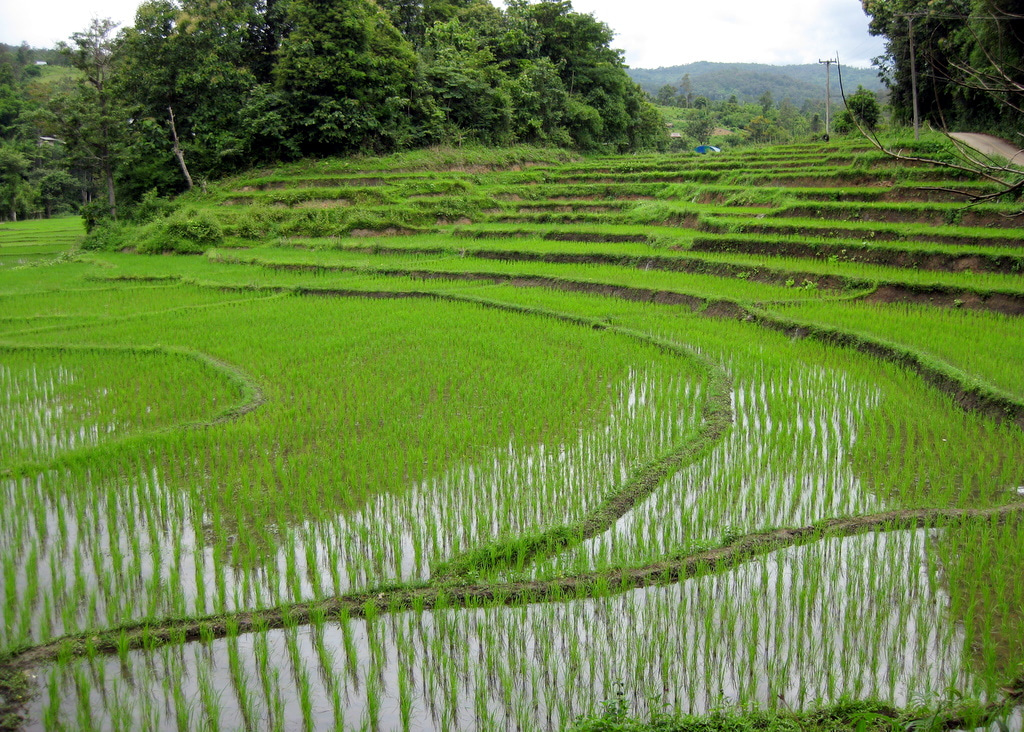

Rice sits at the intersection of two global challenges: sustaining crop production under increasingly variable weather conditions and maintaining the nutritional quality of one of the world's most important staple foods. While much of the discussion around biofortification focuses on increasing nutrient concentrations in crops, an equally important question is whether those nutrients remain accessible after food preparation.
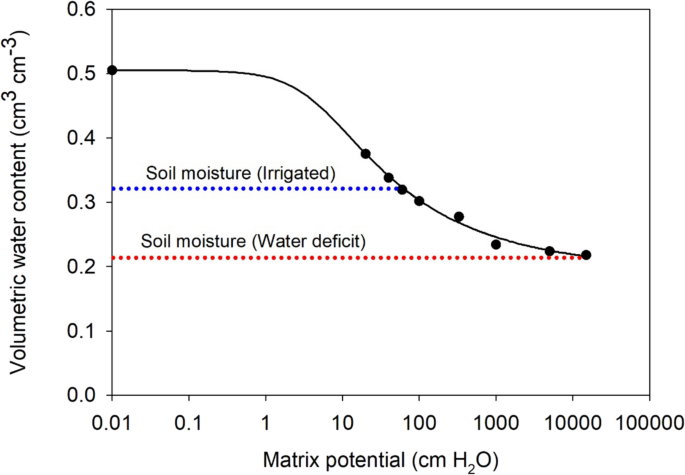
A recent, open access study published in the Journal of Soil Science and Plant Nutrition examines this issue through the lens of selenium biofortification in rice. Conducted under greenhouse conditions, the research evaluated rice plants exposed to water deficit and different rates of soil-applied selenium. The authors were interested not only in plant responses to drought stress, but also in what happens to selenium and other minerals after the grains are cooked.
The results suggest that selenium application can help rice plants maintain physiological performance during periods of water shortage. Although biomass and grain yield were not significantly affected by either selenium application or water regime, selenium was associated with lower indicators of oxidative stress and higher water-use efficiency under drought conditions. The dose identified by the authors as the best balance between grain enrichment and physiological responses was 0.6 mg kg⁻¹.
Bioaccessibility unchanged
The nutritional dimension of the study is particularly interesting. Using a simulated human gastrointestinal system, the researchers assessed the bioaccessibility of selenium, iron, manganese, and zinc in both rice flour and cooked grains. Selenium showed a high degree of stability: its bioaccessibility remained essentially unchanged after cooking. In contrast, the bioaccessibility of iron, manganese, and zinc declined substantially following cooking, highlighting how nutrient concentration alone may not fully reflect the nutritional value of food.
The work also provides an important note of caution. The experiment was conducted in a controlled greenhouse environment and evaluated a specific drought scenario and selenium application range. The authors acknowledge that field-scale recommendations would require dose adjustments and further validation to ensure safe dietary selenium intake and to account for the complexity of real agricultural systems.
As research increasingly connects plant science, nutrition, and food security, studies like this help broaden the conversation around biofortification. They encourage us to consider how agricultural practices influence the nutrients that ultimately reach consumers' diets after harvest, processing, and cooking.
Author's note: I used Copilot to assist in creating this post.
Image: Esteban Chiner, Flickr, CC BY-SA 2.0

Follow the Topic
-
Journal of Soil Science and Plant Nutrition
The Journal of Soil Science and Plant Nutrition is an international, peer reviewed journal devoted to publishing original research findings in the areas of soil science, plant nutrition, agriculture, and environmental science.