Splicing in Image Forgery
Published in Computational Sciences
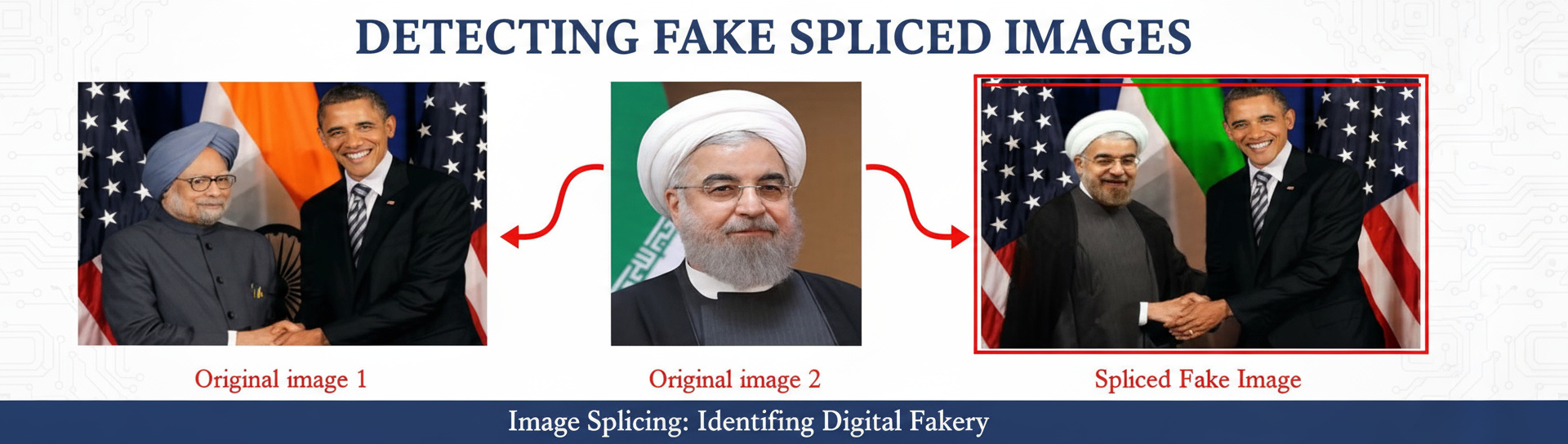

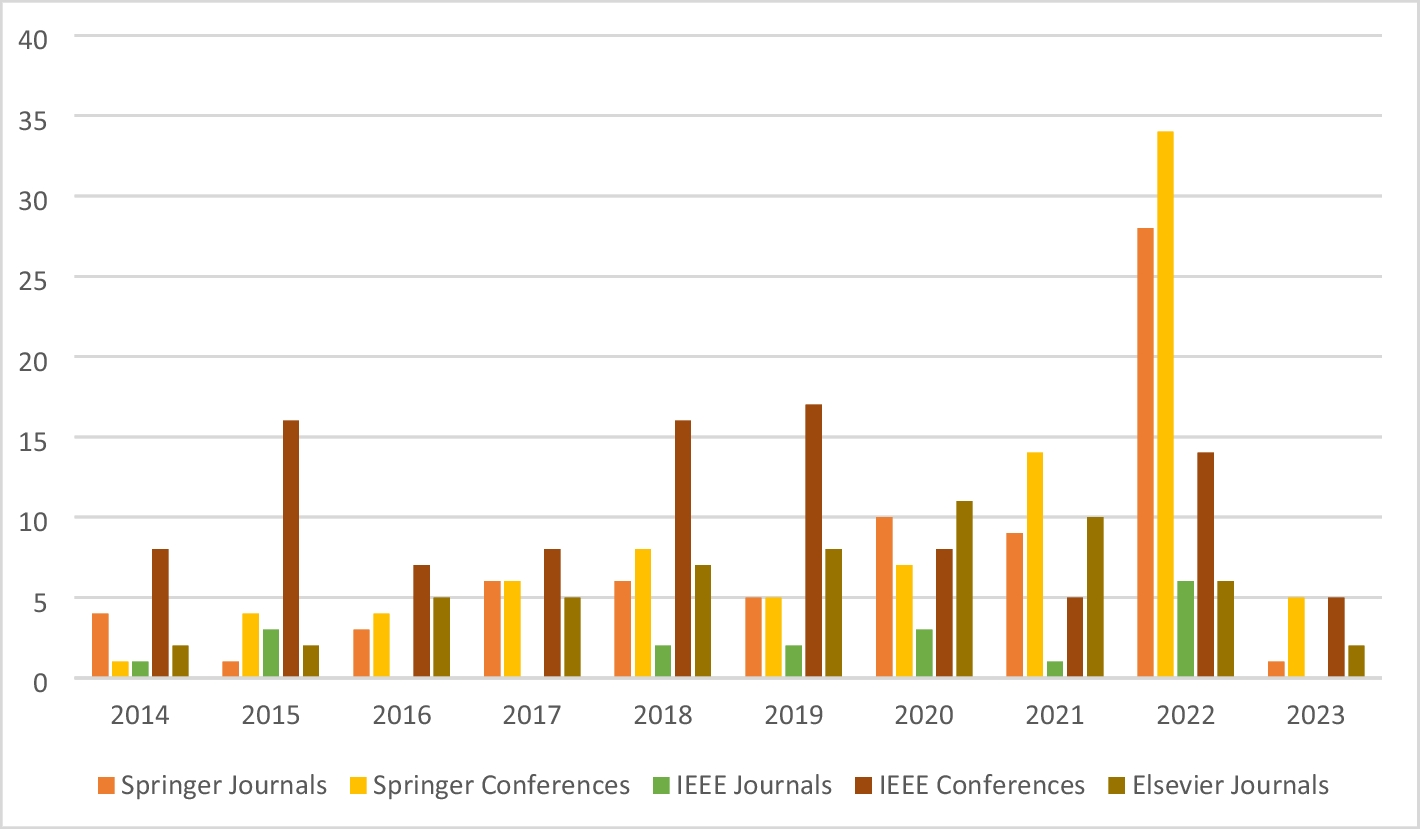

Image Forgery are examined through relevant examples. However, the primary emphasis is directed toward image splicing only, understanding how it is different from other forms of forgery, and delving into the basic process for its localization within an image. Image forgery refers to the act of manipulating or altering digital images with the intent to deceive or mislead viewers. It involves making unauthorized changes to an image to create a false representation of reality.
Active Forgery Methods
It involves the insertion of a unique key into the original image before its online circulation. This pre-inserted key or code serves as a means to verify the image's authenticity. However, this technique is only effective for images circulated for the first time online. The active forgeries can further be divided into two methods given as follows.
(a) Digital Watermarking: Watermarking involves the insertion of a marker within digital media, including audio, video, or images.
(b) Digital Signature: A digital signature is not just a digitized certificate. It employs mathematical techniques to confirm the genuineness and integrity of a digital document.
Passive Forgery Methods
It refers to techniques that do not require prior information or a specific key for verification. Passive forgery is crucial as only a small percentage of images, typically ranging from 2 to 5%, are actively secured with such keys. Moreover, with the advancements in digital image forgery, including deepfake technology, identifying artifacts of image manipulation has become increasingly challenging. Therefore, passive image forgery methods are crucial in detecting and addressing image manipulations, even when active measures are not implemented. (a) Image Retouching: It refers to the process of enhancing digital images to improve their quality and correct imperfections to make them look more aesthetic. This technique is commonly used in photography, advertising, fashion, and on social media platforms such as Facebook or Instagram where image appearance is a bit critical.
However, retouching is generally regarded as a non-serious form of image manipulation, because it involves, color correction, restoration, background enhancement, and skin smoothening. It's crucial to note that resampling invariably results in a reduction of image quality. It's important to distinguish between resampling and resizing because resizing pertains more to adjusting the print size while resampling relates to changing the image's resolution.
(c) Image Compression: Compression aims to reduce the file size of the image. Typically, image compression achieves this by eliminating certain data from the image as shown in Fig. 2(e). However, excessive compression can lead to a noticeable loss in image quality which often results in coarse pixels, a reduction in the number of colors, and a loss of fine details. In cases where a manipulated image undergoes multiple JPEG compressions, detecting the manipulations becomes significantly challenging due to the compound effect of compression artifacts.
(d) Copy-move: Copy-move image forgery is a form of image manipulation where a portion of an image is duplicated and pasted within the same image. This manipulation typically leads to the creation of duplicate objects or elements within the image. However, it's important to note that the artifacts associated with the copied part of the image may differ from those present in the rest of the image.
For more information visit: https://link.springer.com/article/10.1007/s11042-024-18801-z

Follow the Topic
-
Multimedia Tools and Applications
This journal publishes original research articles on multimedia development and system support tools, and case studies of multimedia applications.