The Slow Gift of Academic Friendships
Published in Education
Solid friendships rarely begin dramatically. Often, they start with a conversation after a talk, a shared coffee at a conference, a collaborative paper, or even a disagreement handled with mutual respect. Time passes. Careers move on. Institutions change.
And yet, those connections remain.
Friendships that do not need frequency
In academia, some of the strongest friendships are not built on daily contact. We may only meet every few years, usually at conferences or workshops, sometimes in different countries each time. But when we do meet, the conversation resumes naturally, as if no time had passed.
What matters is not proximity, but trust.
Over time, you learn that there are a few people in your professional network you can rely on. People you can contact for honest advice, methodological help, or simply a reality check, knowing they will respond thoughtfully and without hidden agendas.
Beyond collaboration
These relationships are not just about co-authorship or projects. They are about intellectual generosity and human reliability.
They remind us that academia is not only a system of evaluation, competition, and output, but also a long journey shared with others who understand its uncertainties, pressures, and quiet joys.
A long-term perspective
Such friendships take time to form. They cannot be forced, scheduled, or optimised. They grow slowly, often unnoticed, and reveal their value only years later.
In a career that involves frequent movement and constant change, they become a rare form of continuity, and one of the most rewarding aspects of academic life.
Have you experienced this kind of long-term academic friendship — one that survives distance, time, and changing institutions?
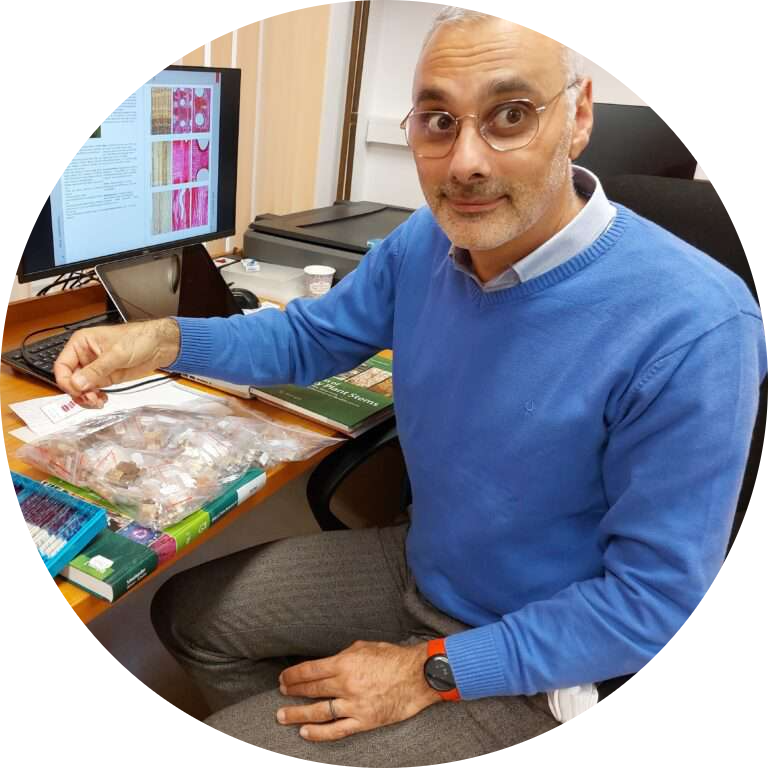
I am a wood scientist and professor at the University of Torino (Italy). My research explores wood anatomy, ecology, and conservation, linking plant biology, dendrochronology, and cultural heritage studies. I’m interested in how wood structure reveals growth conditions, species identity, and material history, from living trees to ancient objects.