The "Stela Effect" of bright and dark narcissism on educational innovation in higher education: exploratory psychometric validation
Published in Education, Arts & Humanities, and Law, Politics & International Studies
Explore the Research
The “Stela Effect” of bright and dark narcissism on educational innovation in higher education: exploratory psychometric validation
I was a 40-year-old architect working on my doctoral thesis while teaching architecture at a private university, and at the same time I was studying psychology at a public distance-learning university. By the time I realised that what truly fascinated me was understanding human beings, I was already finishing architecture, so it was not until a few years later, with three very small children in the world, that I entered university life again as a student, this time diving into the complexities of behaviour. I do not renounce architecture; I still enjoy it, I feel grateful for it, and it has given me many satisfactions. But it was with psychology that I entered a flow state and was able to devote countless hours immersed in what I was discovering. So it felt natural that my doctoral thesis should point to an intermediate area between my two disciplines, and I decided to investigate the emotional competencies of architecture teachers.
The basic idea was simple: in architecture and engineering it is common to find people with high intellectual coefficients and rather low emotional competencies, something Goleman describes and explains, and which he also notes can be improved without great difficulty. So I embarked on a series of surveys in schools across Spain, with the hope that the responses would illuminate how to do that.
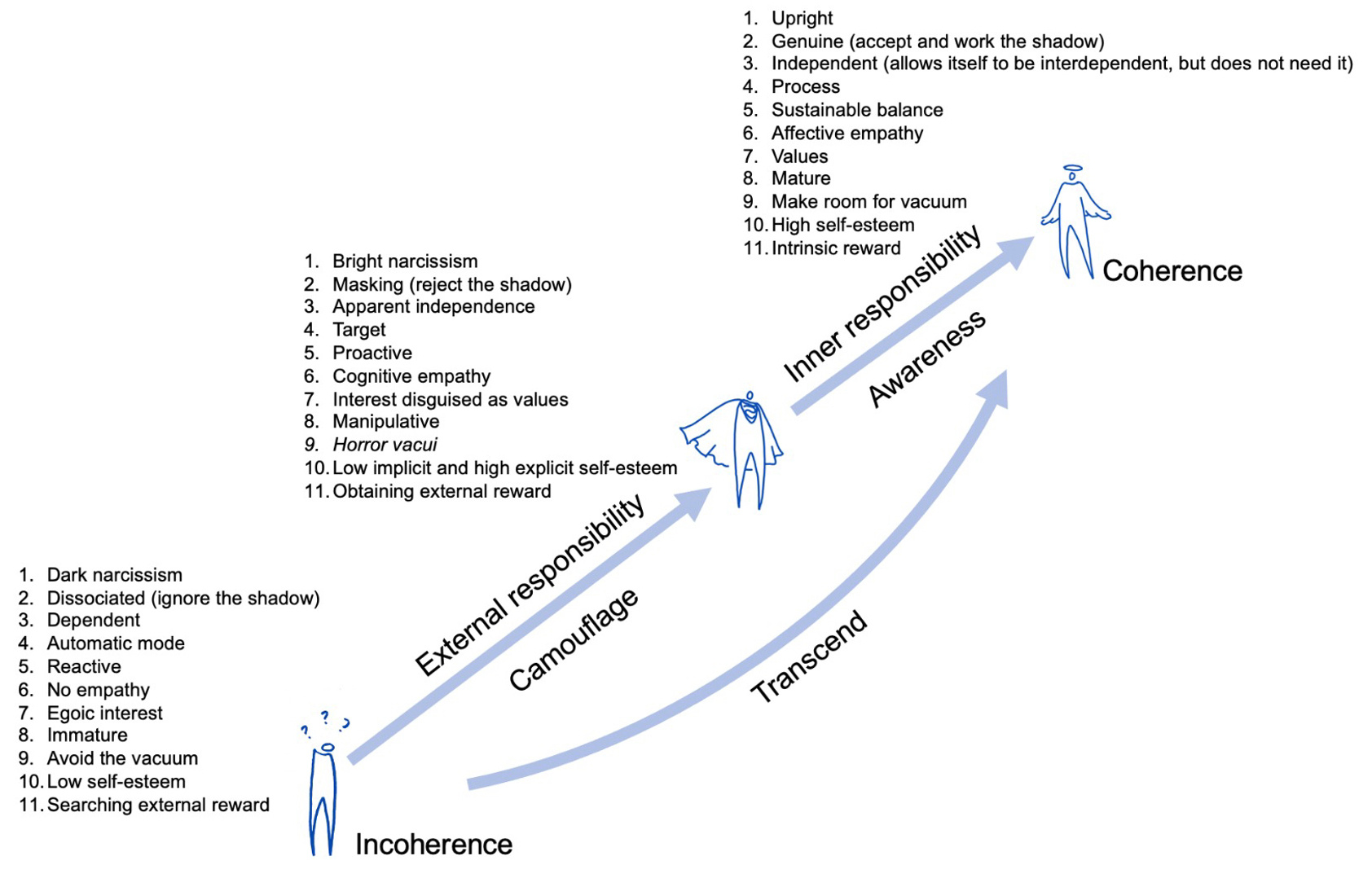
That same year, my position at the university came to an end. It took me three years to carry out the statistical analysis; as architects we know nothing about statistics, and I had to research for a long time before each small step forward. It was painful. My surprise came when I found an unexpected result: it seemed that, paradoxically, low-empathy attitudes among teachers were associated with favourable evaluations from students. It made no sense to me; it had to be some error born of my lack of expertise. So I returned to my somewhat neglected psychology degree to try to understand it better. A year later I completed my PhD; my thesis addressed the “Efecto Estela” (Stela Effect) that had emerged. I felt it might have some value, and that I lacked the infrastructure and knowledge to fully develop it, so I sent the thesis to various institutions, hoping that someone would see its potential and want to investigate it. No one even replied. My husband kept telling me that if I wanted it to be studied, I would have to do it myself. But how could I do that, if I was nobody in academic terms, not affiliated with any institution, I had no resources, and my research activity was purely a matter of personal commitment, with no funding and no established track record? It felt overwhelming—especially the statistical side, where I feared there might be some obvious, fundamental mistake. The statisticians I consulted about my thesis did not tell me it was nonsense, but I knew their reading was very superficial; after all, they were doing me a favour. So I kept going with my psychology degree and continued investigating.
Two years later I had completed the psychology degree. Over the following years I was simply surviving the economic crisis, motherhood and professional life, and during the holidays I would send the children to the beach so I could make progress on the research. These have been years of sacrifice, and they are still not over. Four more years passed before I dared submit the work to an international journal. Then three further years of rejections from different scientific journals, and each rejection brought a huge learning experience based on what the reviewers said. In the last journal, one of the reviewers told me to cut the manuscript in half. I felt that in that format I could not properly explain the effect, so I chose not to do it, and the paper was rejected.
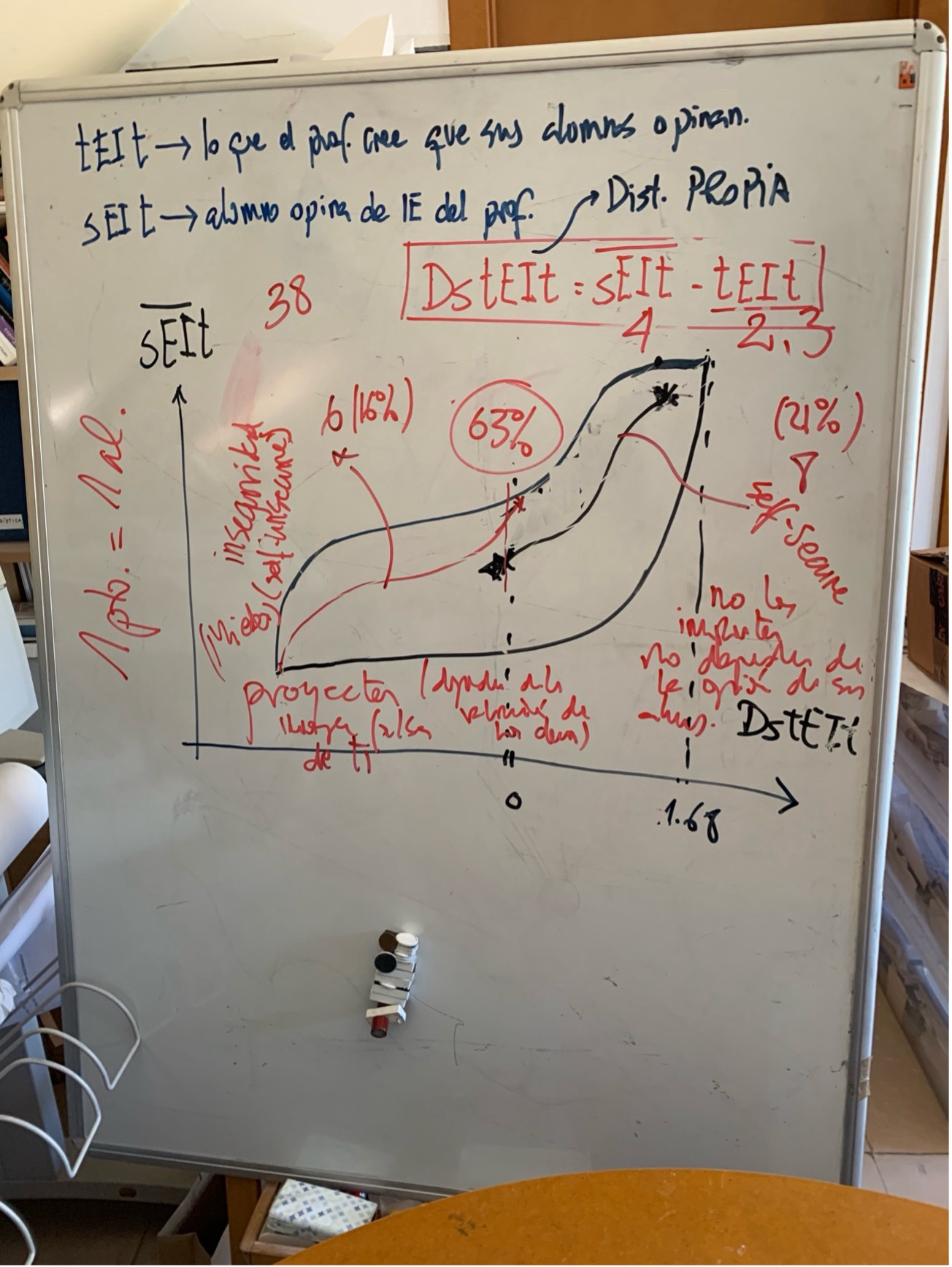
A year later, now reduced, I submitted it again, after an enormous effort of concision that I found extremely demanding. This time I approached psychometrics specialists and asked them—on a paid basis—to collaborate in the research so that it would have sufficient robustness. Even then, nobody was available; they were all too busy, and I do not know whether they also saw it as too complex. So my husband committed to going as deep as necessary into that part of the work himself. This time the reviewers told me I had too many references and mentioned possible “citation dumping”. Everything felt so difficult… I had to reply that, after reducing five pages into a single paragraph, I had no room to explain why each of the references had a reason to be there. And in the end, the paper was accepted. The emotion I felt when I saw the first proof of the article with the Springer logo was enormous; I squeezed my husband’s hand and let out a quiet little scream that went on for quite a while.
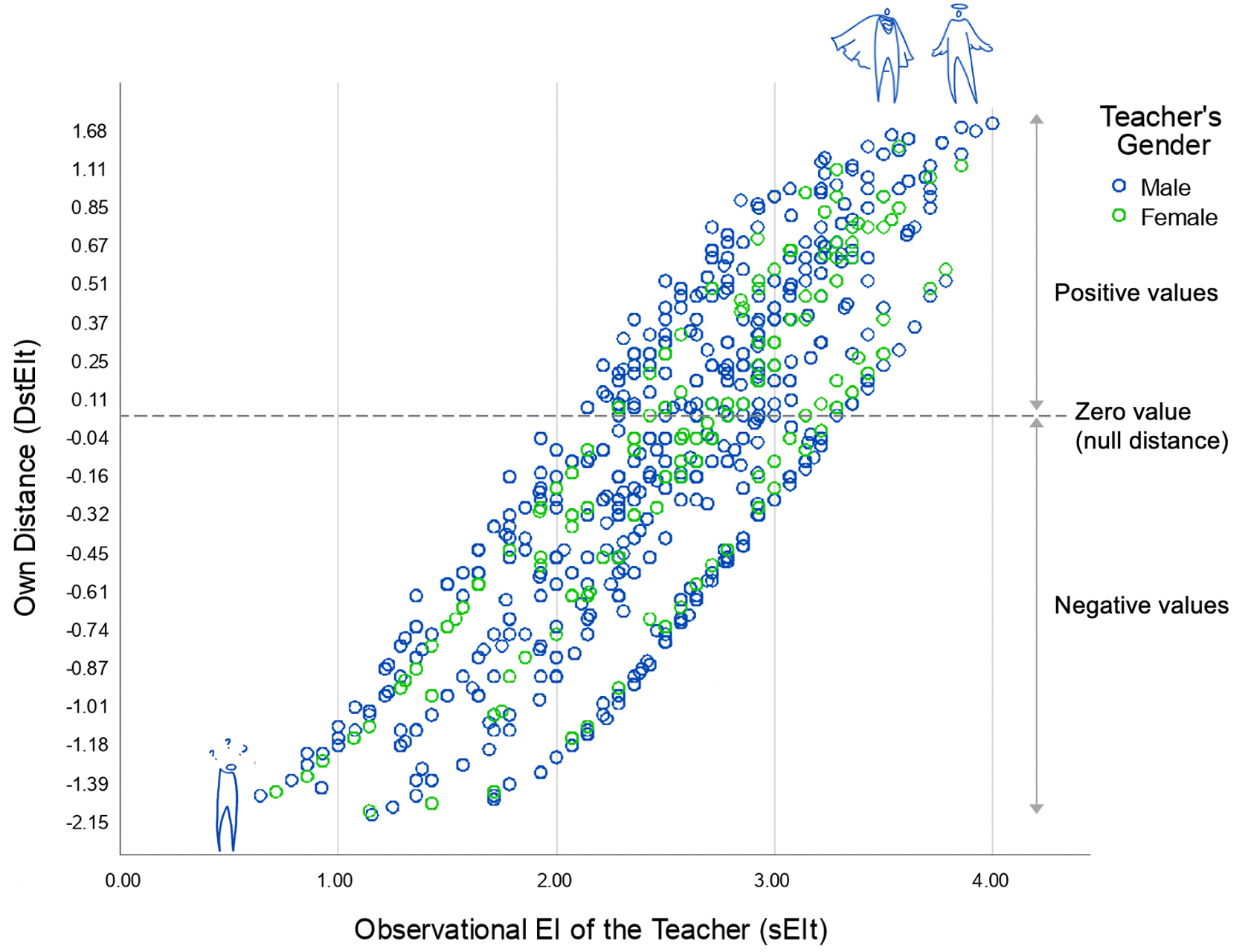
In sum, after thirteen years of research—of which the last three and a half were devoted to submitting the work to different journals—the article has grown, shrunk and grown again, but it has undoubtedly been enriched by each rejection, and today it finally sees the light.
When the journal invited us to tell the story behind the research, I felt it was only fair to speak about the loneliness of the researcher who earns a living doing other things and devotes themselves to research as best they can, purely out of interest in what they are learning and discovering.

There is still much work to do. An important part of the research that appeared in the thesis alongside the Stela Effect is the Venus Effect, a differential pattern in women regarding narcissism, power and leadership, which I have not yet explored in depth. I also want to develop the Theory of the Void, which I have been researching and writing about for five years now. I hope that the boost from the Stela Effect will give me some momentum in my publication record and allow me to devote a bit more of my time to this work that fascinates me.

Follow the Topic
-
Discover Psychology
This is an international, open access journal that publishes research in behavioral sciences and related fields, including health, environment, neuroscience, business, economics, ergonomics, linguistics, and education.

Related Collections
With Collections, you can get published faster and increase your visibility.
Quality of Life and Well-Being Among Cancer Patients
Cancer is not only a medical condition but a life-altering experience that affects patients physically, emotionally, socially, and spiritually. While significant progress has been made in diagnostics and treatment, the long-term impacts on patients’ quality of life (QoL) and overall well-being require more attention. This Collection aims to gather interdisciplinary research that examines the multifaceted aspects of QoL among cancer patients, spanning symptom management, psychosocial support, survivorship care, healthcare delivery models, cultural perspectives, and innovative interventions. The goal is to create a comprehensive evidence base to guide clinicians, researchers, and policymakers in improving the holistic well-being of individuals living with and beyond cancer.
Keywords: Cancer, Behaviour, Evolution, Disaster management and crisis, Mental health survey.
This Collection supports and amplifies research related to SDG 3.
Publishing Model: Open Access
Deadline: Nov 01, 2026
Human Resources to Adverse Life Events
Traumatic life events represent profound disruptions in an individual's psychological and emotions regulation. Whether stemming from personal loss, workplace incidents, or broader societal crises, these experiences often leave lasting impacts that extend beyond the individual to affect teams, organizations, and communities. In this special issue, we explore the dynamic interplay between traumatic experiences and the psychological resources that individuals and organizations can mobilize to manage and overcome adversity.
The concept of human resources in this context extends beyond organizational structures to encompass the internal psychological capacities—such as resilience, emotional intelligence, and coping mechanisms—that enable individuals to navigate distressing circumstances. At the same time, the role of external support systems, including trauma-informed leadership, mental health interventions, and culturally sensitive organizational practices, is critical in shaping recovery trajectories and fostering post-traumatic growth.
This issue brings together interdisciplinary perspectives from psychology, occupational health, and human resource management to examine how adverse life events can be addressed through both personal and systemic approaches. It aims to deepen our understanding of the factors that promote psychological well-being in the face of trauma and to offer practical insights for creating environments that support healing, adaptation, and long-term resilience.
Keywords: Traumatic life events, Psychological resilience, Post-traumatic growth, Emotional intelligence, Coping strategies, Mental health support, Workplace trauma, Human resource management, Organizational well-being, Trauma-informed leadership, Occupational health psychology, Employee assistance programs, Stress management, Recovery and adaptation, Crisis intervention
Publishing Model: Open Access
Deadline: Nov 02, 2026