The unexpected role of severe COVID-19 in the Tuberculosis resurgence
Published in Bioengineering & Biotechnology, Biomedical Research, and General & Internal Medicine

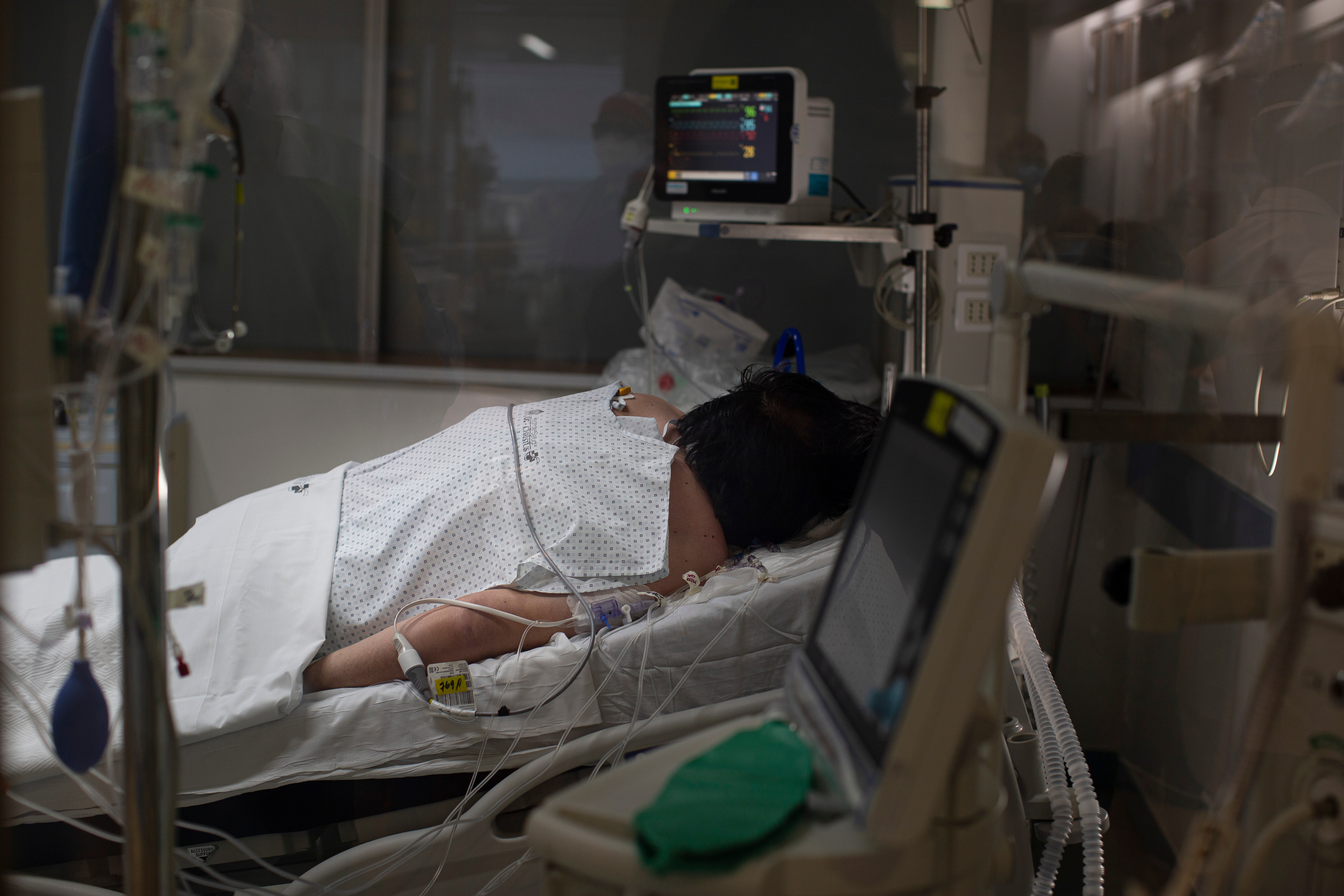

During the first year of the COVID-19 pandemic, Chile, like many countries, experienced a sharp decline in reported tuberculosis (TB) cases. The explanation appeared straightforward: overwhelmed healthcare services, mobility restrictions, and delays in seeking medical care. Like many others working in TB, we expected notifications to recover gradually as health services returned to normal.
Instead, they recovered much faster than anticipated. In some settings, they even exceeded pre-pandemic levels.
That unexpected pattern made us pause. Were we simply observing delayed diagnoses finally being detected, or could severe COVID-19 itself increase the risk of developing TB months after the acute infection had resolved?
Answering that question required something few countries possess. Years of investment in Chile’s public health surveillance system enabled us to link nationwide databases on COVID-19, tuberculosis, hospitalizations, vaccination, and mortality, allowing us to follow more than 3.6 million individuals over time. This study was only possible through close collaboration among researchers, clinicians, public health authorities, and the teams responsible for maintaining these national surveillance systems.
The analytical challenge was immediately clear. People hospitalized with COVID-19 are generally older, have more underlying medical conditions, and face a much higher risk of death than those with milder disease. Any increase in subsequent TB could simply reflect these differences rather than an effect of severe COVID-19 itself.
For that reason, we spent much of the project trying to prove ourselves wrong. We performed competing-risk analyses, multiple sensitivity analyses, excluded early TB diagnoses, and evaluated different follow-up periods. Each time, we returned to the same question: would the association still be there?
It was.
Individuals who experienced severe COVID-19 consistently showed a substantially higher risk of developing TB during follow-up, particularly in the first months after infection. Another finding that caught our attention was the role of vaccination. Although the increased risk remained among vaccinated individuals, it was markedly attenuated compared with that among unvaccinated individuals.
Our study cannot establish causality, and many questions remain unanswered. Whether this association reflects immune dysregulation, treatments received during severe illness, changes in healthcare utilization, or a combination of these mechanisms remains uncertain. Nevertheless, our findings suggest that the post-pandemic resurgence of TB may not be explained solely by disruptions to TB services. The biological consequences of severe SARS-CoV-2 infection may also have contributed and deserve further investigation.
Looking back, what stands out most is not the statistical models or the size of the cohort, but how the project began. It began with a routine discussion of national surveillance reports. We expected TB notifications to return gradually to pre-pandemic levels. Instead, they climbed back much faster than anticipated. As more data accumulated, it became increasingly difficult to ignore that the prevailing explanation might not be the whole story.
Sometimes, the most important advances in epidemiology begin not with a sophisticated hypothesis, but with an observation that refuses to fit the prevailing explanation.
Follow the Topic
-
Nature Communications
An open access, multidisciplinary journal dedicated to publishing high-quality research in all areas of the biological, health, physical, chemical and Earth sciences.

Related Collections
With Collections, you can get published faster and increase your visibility.
Women's Health
Publishing Model: Hybrid
Deadline: Ongoing
Tumor Microenvironment Crosstalk and Therapeutic Implications
Publishing Model: Hybrid
Deadline: Nov 02, 2026
![Synthesis of azetidines via visible-light-mediated intermolecular [2+2] photocycloadditions](/cdn-cgi/image/metadata=copyright,fit=scale-down,format=auto,quality=95,width=256,height=256/https://public-storage.zapnito.com/-LZzJbRTCbq5h38JFHjQ2aRhu_XGHVJz5x0SbKYTB-I)
Please sign in or register for FREE
If you are a registered user on Research Communities by Springer Nature, please sign in