Thiorphan reprograms neurons to regenerate after spinal cord injury
Published in Chemistry and Neuroscience

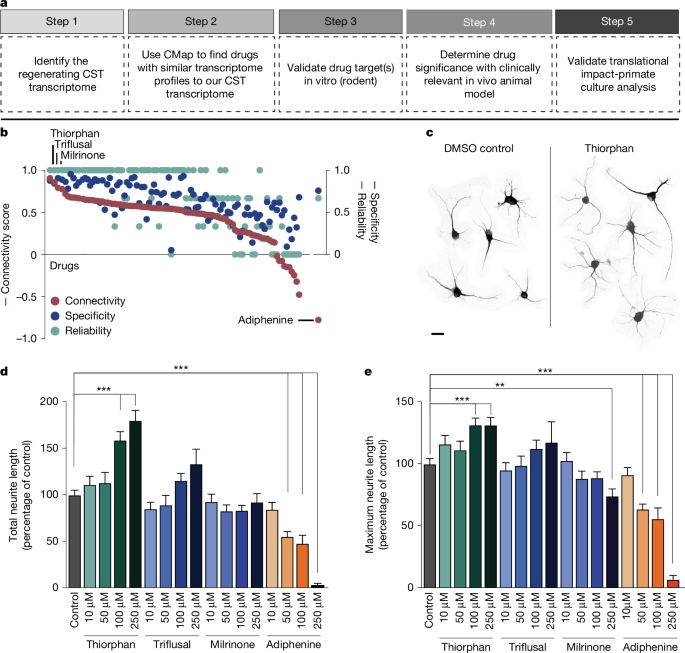

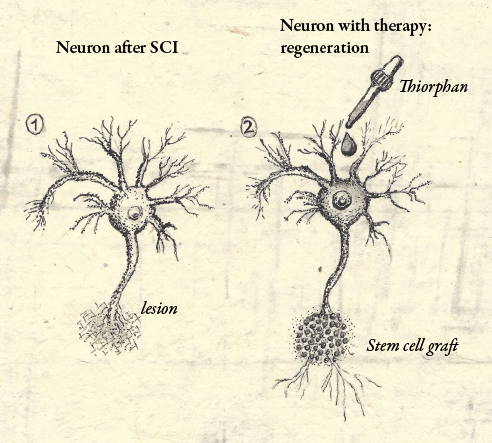
After spinal cord injury, some motor neurons briefly reactivate genetic programs normally used early in life, when nerves can grow and form new connections. Using advanced algorithms, we searched thousands of existing drugs to find one that could recreate this short-lived growth state and identified thiorphan. The drug boosted nerve growth in adult mouse, monkey, and human neurons and improved hand function when paired with stem cell grafts in a severe spinal cord injury model.
Behind the scenes, working with adult human neurons required major technical breakthroughs. Unlike stem-cell-derived neurons, adult human neurons are rare, fragile, and typically show little survival once removed from the brain. We learned that success depended on keeping the time from tissue removal to plating under two hours and on providing culture media directly to the operating room.

Follow the Topic
-
Nature
A weekly international journal publishing the finest peer-reviewed research in all fields of science and technology on the basis of its originality, importance, interdisciplinary interest, timeliness, accessibility, elegance and surprising conclusions.

Related Collections
With Collections, you can get published faster and increase your visibility.
Carbon Dioxide Removal
Publishing Model: Hybrid
Deadline: Jan 16, 2027
Cancer Neuroscience: from mechanisms to therapy
Publishing Model: Hybrid
Deadline: Jan 30, 2027