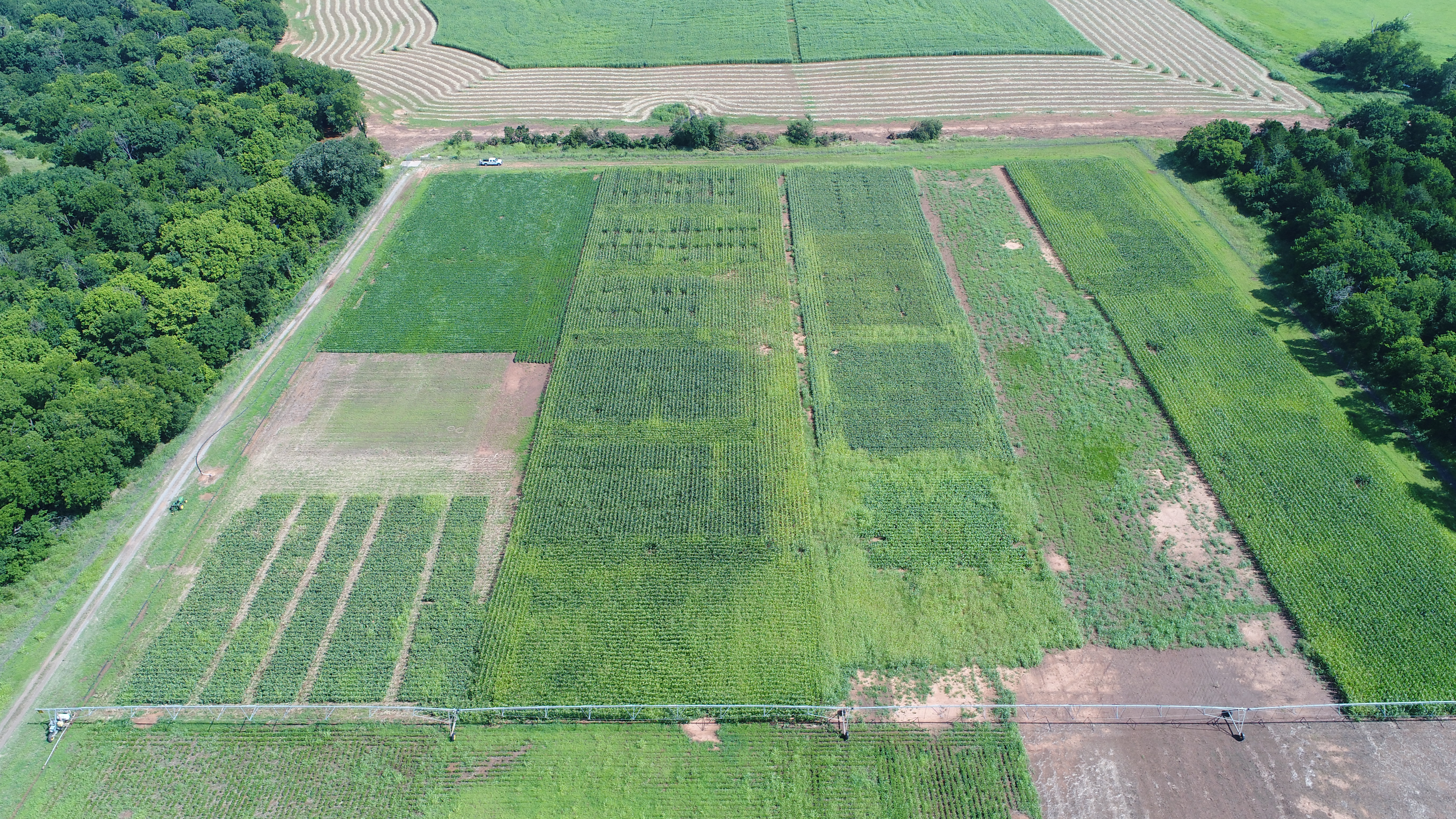


This research would not have been possible if it was not for the long-term experiments conducted by the soil fertility group at Oklahoma State University. The soil fertility group advised by Dr. Bill Raun (Regents Professor) usually consists of about 12 to 15 students, including PhDs, MS, and Undergraduate students. The group manages 15+ long term experiments, including the Magruder Plots, which evaluates native fertility levels and nutrient response in winter wheat. This study was established in the year 1892, making it the longest continuous winter wheat experiment west of the Mississippi River. Similar to numerous winter wheat experiments, several maize trials were started in the year 2012 to improve mid-season nitrogen management.
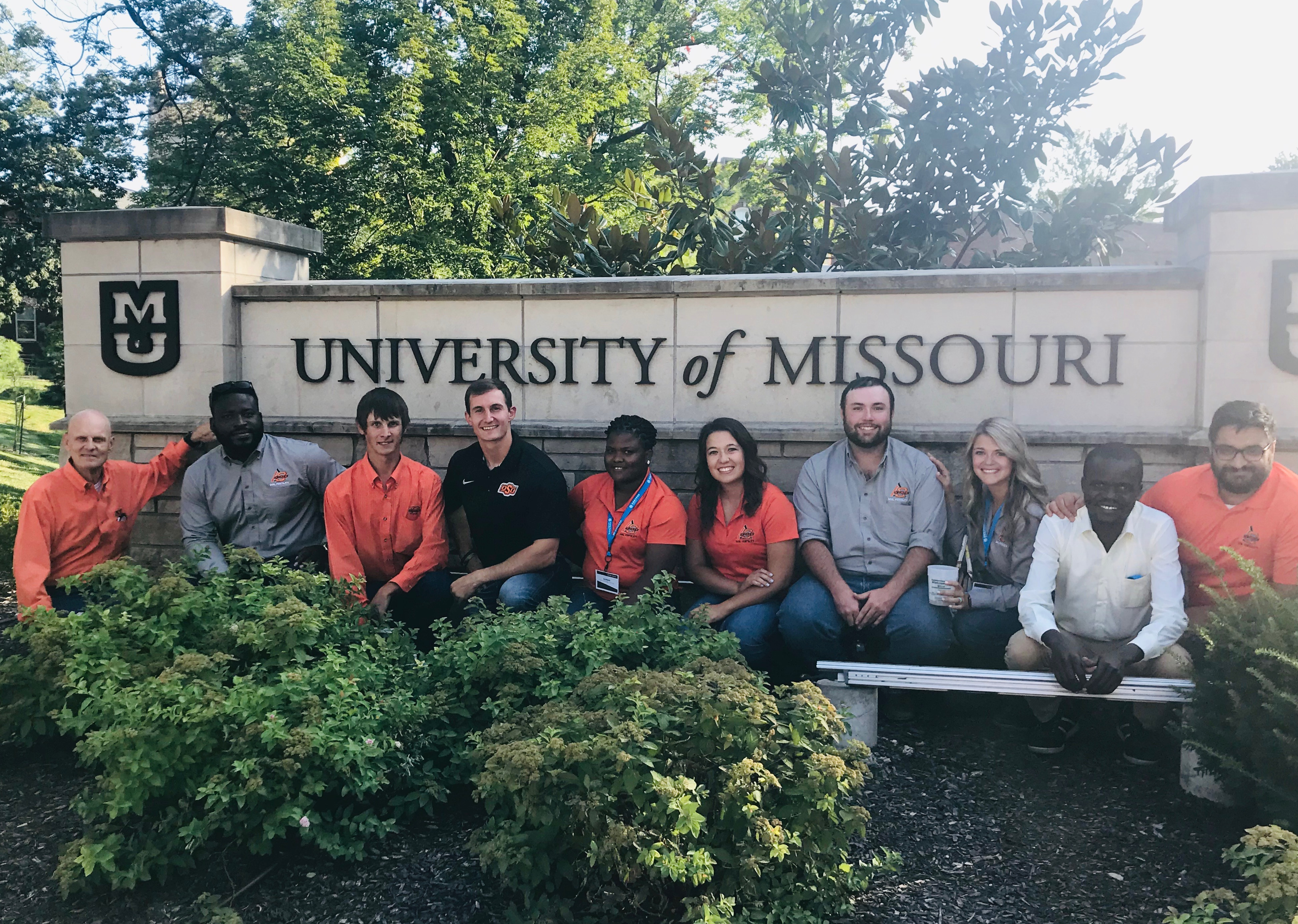
I joined the soil fertility group as an MS student in 2014 under Dr. Raun. Along with my thesis research responsibilities, I was given additional responsibility for our maize experiments. Since then, I have been thinking about how to use this data for a possible publication. This became possible in the spring of 2019 via a statistics course, “Modern Multivariate Statistics,” where I acquired supervised machine learning techniques to handle big data. This course and my co-authors, especially my advisor Dr. Raun helped tremendously in publishing this work.
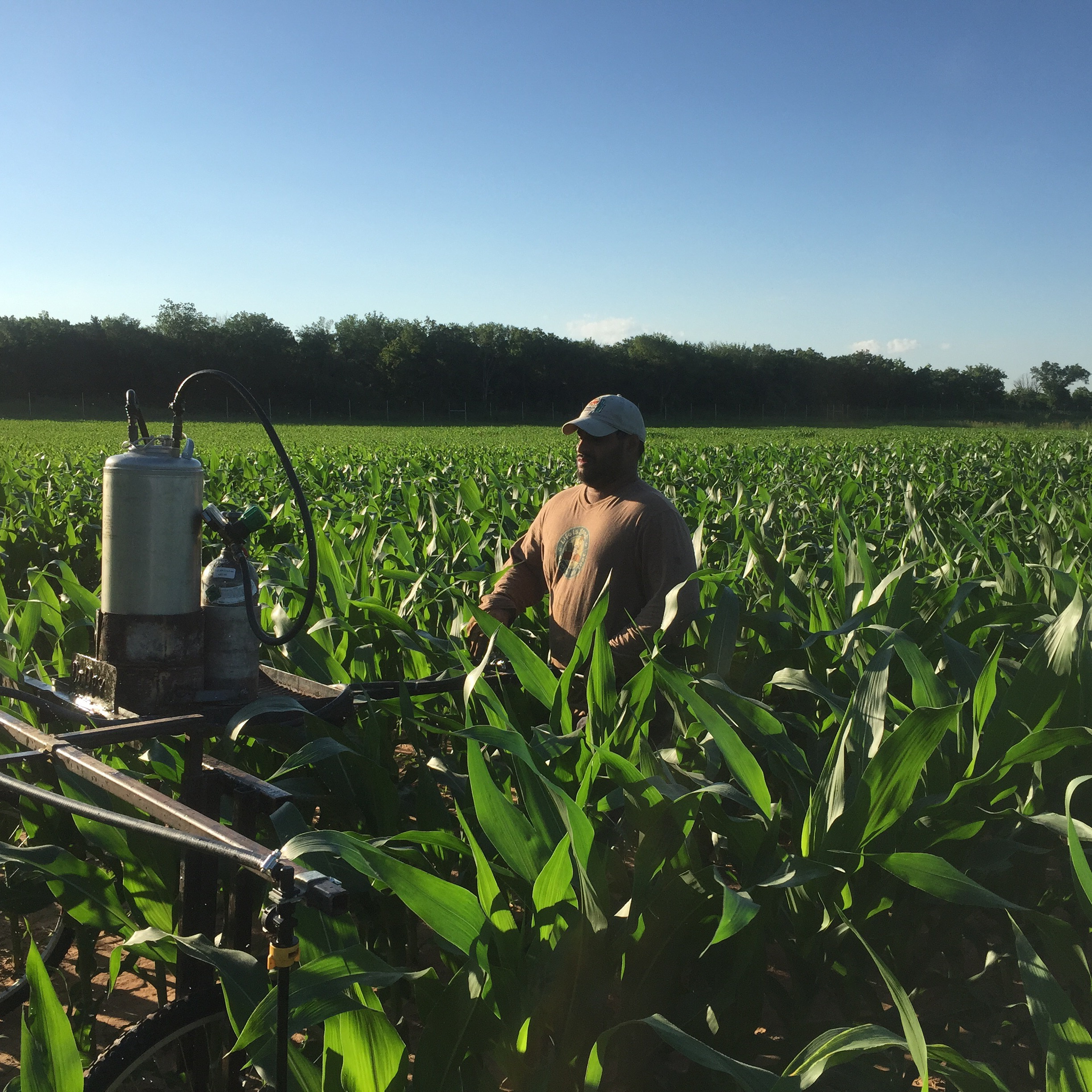
The long-term soil fertility experiments are used to improve nutrient management, mainly nitrogen, one of the costliest inputs in crop production. Precise nutrient management requires active canopy reflectance sensors to predict the mid-season nitrogen needs of crops. By accurately matching the required rate, the economic and environmental effects of nitrogen management could be improved. Proper nutrient management requires algorithms to predict mid-season N rates using canopy reflectance sensors and climatological data. Currently, the soil fertility website (http://nue.okstate.edu/SBNRC/mesonet.php) hosts 33 algorithms for Wheat, Maize, Rice, Canola, Sorghum, Cotton, Bermudagrass for ten different countries. There are three maize algorithms built-in the year 2008, two for the southern US grain belt and one for the Midwest. Through this research, we tested these algorithms, and they performed poorly. The next step was to build and validate new models using canopy reflectance and weather data, which was accomplished in this research. These results confirmed the need for both mid-season NDVI data but also in-season rainfall and temperature that can be accessed live via the Oklahoma Mesonet (121 automated weather stations covering 77 counties in Oklahoma, mesonet.org).

Follow the Topic
-
Scientific Reports
An open access journal publishing original research from across all areas of the natural sciences, psychology, medicine and engineering.

Related Collections
With Collections, you can get published faster and increase your visibility.
Cancer Prevention and Control
Publishing Model: Hybrid
Deadline: Feb 19, 2027
Healthy Aging
Publishing Model: Open Access
Deadline: Dec 31, 2026