Visium HD Spatial Transcriptomics Reveals Persistent SARS-CoV-2 Signaling in the Epipharynx and the Therapeutic Potential of Epipharyngeal Abrasive Therapy (EAT) in Long COVID
Published in Microbiology, Protocols & Methods, and Biomedical Research
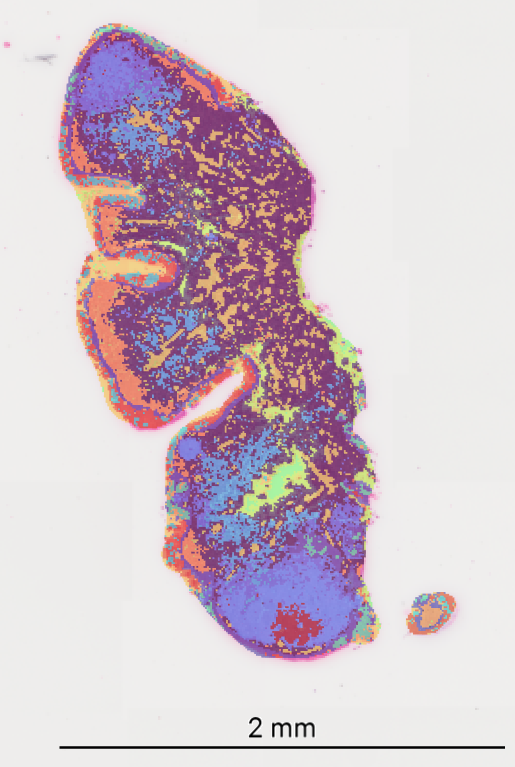
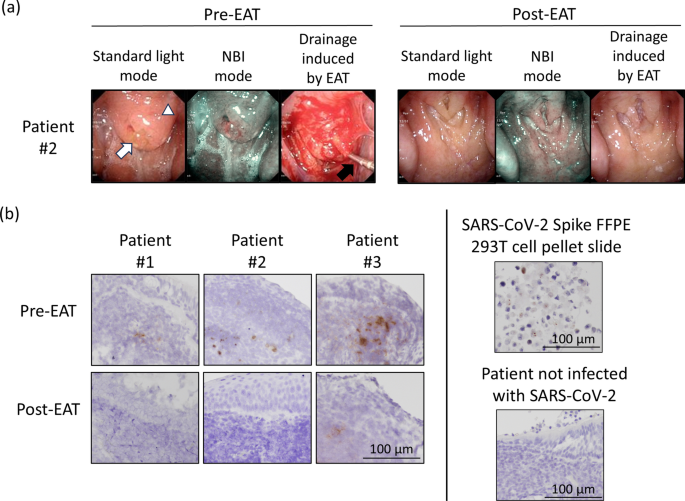

In this study published in Scientific Reports (2025), we applied Visium HD spatial transcriptomics to investigate the epipharyngeal tissue of patients with long COVID, focusing on persistent viral activity and local immune dysregulation.
We detected residual SARS-CoV-2 RNA in the epipharynx more than 6 months after infection, along with sustained activation of SARS-CoV-2-related signaling pathways in both epithelial and immune cell populations. Epithelial cells exhibited downregulation of cilia-related genes (DNAI1, CFAP47), while immune cells—especially B cells, plasma cells, and plasmacytoid dendritic cells—showed upregulation of antiviral and inflammatory pathways. These findings suggest that the epipharynx acts as a chronic inflammatory reservoir in long COVID.
To address this, we performed epipharyngeal abrasive therapy (EAT)—a Japanese outpatient technique using a zinc chloride-soaked swab to mechanically abrade the inflamed mucosa—once weekly for 3 months. After EAT, patients showed marked clinical improvement, paralleled by molecular-level changes: decreased expression of inflammatory cytokines (IL6, TNF), suppression of T-cell receptor signaling, and downregulation of antibody-related genes (IGHM, IGHG3).
This is the first study to provide spatial transcriptomic evidence of persistent SARS-CoV-2 signaling in the epipharynx of long COVID patients. Moreover, our data suggest that EAT exerts immune-modulatory and tissue-repair effects, positioning it as a promising therapeutic option for managing long COVID, particularly in patients with upper airway-dominant symptoms.
📊 Dataset available at ArrayExpress: E-MTAB-14669

Follow the Topic
-
Scientific Reports
An open access journal publishing original research from across all areas of the natural sciences, psychology, medicine and engineering.

Related Collections
With Collections, you can get published faster and increase your visibility.
Cancer Prevention and Control
Publishing Model: Hybrid
Deadline: Feb 19, 2027
AI in clinical decision-making
Publishing Model: Open Access
Deadline: Nov 28, 2026


