Wars/Combatants That Criminalize Care
Published in Social Sciences and Public Health
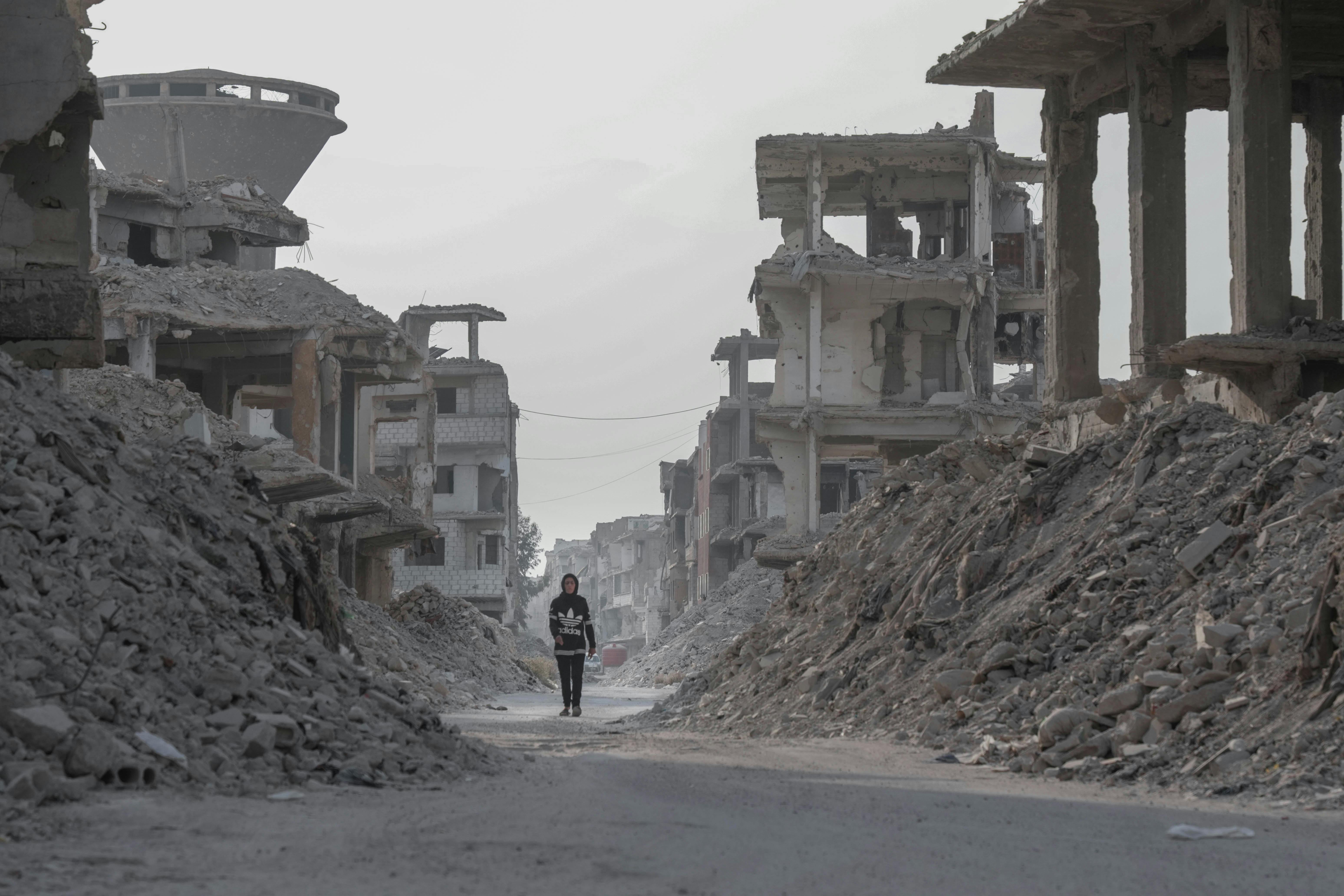

You see this grim pattern repeating across modern wars, from Sudan’s hospital sieges to Gaza’s bombed maternity wards. Fighters on all sides turn caregivers into suspected traitors and hospitals into alleged weapons bunkers. Saving lives has almost become an act of disloyalty that forfeits protection, an ethical perversion where the duty to heal justifies killing.
Sudan shows the scale since 2023. Over 622 attacks on health care facilities with more than 150 hospitals and clinics ruined and over 100 medics killed as of June 2025. RSF storms places like Al-Nuhud Hospital in West Kordofan, they convert wards into barracks and evict civilian patients, accusing doctors of army collaboration if they treat the wrong wounded. SAF responds with airstrikes, the result: El-Daein Teaching Hospital hit killed 64 people (SAF denies their involvement, RAF stands behind their claim of SAF involvement - the breakdown of medical neutrality continues).
Israel followed the same logic in Gaza. Al-Shifa Hospital once had 500 beds, now it’s rubble. UN data shows 735 attacks by mid-2025 and over 1700 works killed. Israel blamed Hamas tunnels and command posts. Reuters exposed one 2025 Nasser strike where officials claimed a Hamas camera but it was a reporter’s gear. By April 2026, Lebanon faces the pattern. Israel shuttered six hospitals, destroyed 160 ambulances and killed 57 health workers. The reason? Ties to Hezbollah. Lebanon’s Health Ministry calls it deliberate collapse to force displacement.
Syria’s Assad scaled it up earlier. His forces bombed 679 clinics in rebel zones by 2015. That’s 95% of attacks, Physicians for Human Rights documented it all but he branded them terrorist hubs. Yemen’s war matched the playbook where Saudi-led jets struck 100+ facilities near Houthis and labeled dual-use targets. Houthis looted rival clinics in return. Russia also brought it to Ukraine in 2022 and Mariupol’s maternity hospital took a direct hit, killing mothers and babies. Officials said it hid an Azov base but dozens of other hospitals burned after. Perhaps, Libya set the precedent in 2011 where NATO airstrikes hit Tripoli wards, claiming Gaddafi use. Militias later seized survivors as fiefdoms.
The language barely changes from place to place, there are always references to intelligence, always suggestions of military use, always some justification that sits just beyond what can be independently verified, and each time it is enough to recast a place of care as something conditional. What follows from that is not abstract. It lands on the people inside those buildings, on doctors who are forced into positions that were never meant to exist, where treating a patient can be read as alignment and refusing to treat them carries its own consequences, and on hospitals that are no longer understood as protected spaces. At some point the pattern itself becomes the issue, because when the same reasoning appears across different conflicts and continues to be accepted or absorbed into the background, it starts to change what is considered normal.

