What a Neuroscientist Learned at a Precision Medicine Conference
Published in Biomedical Research

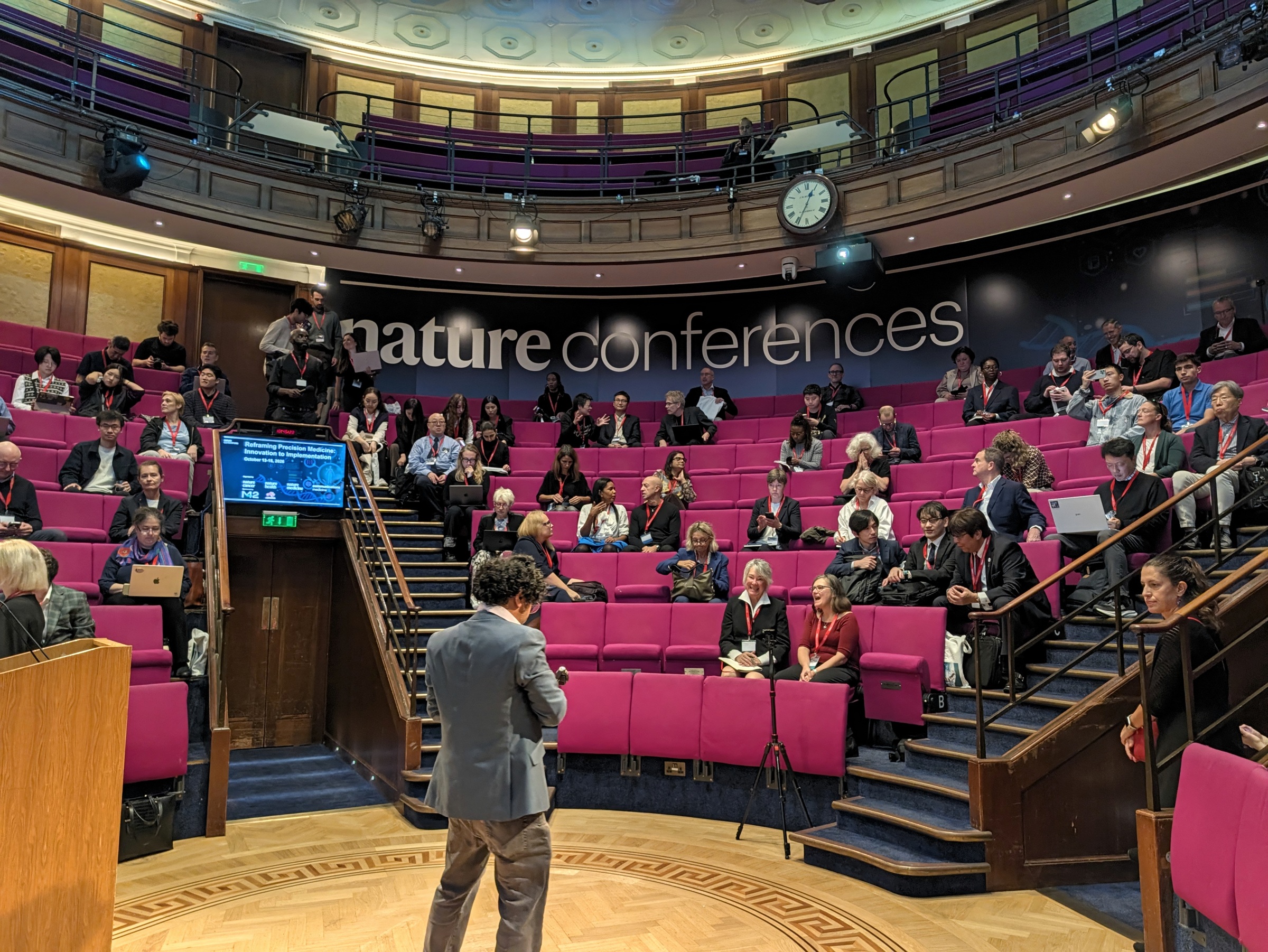
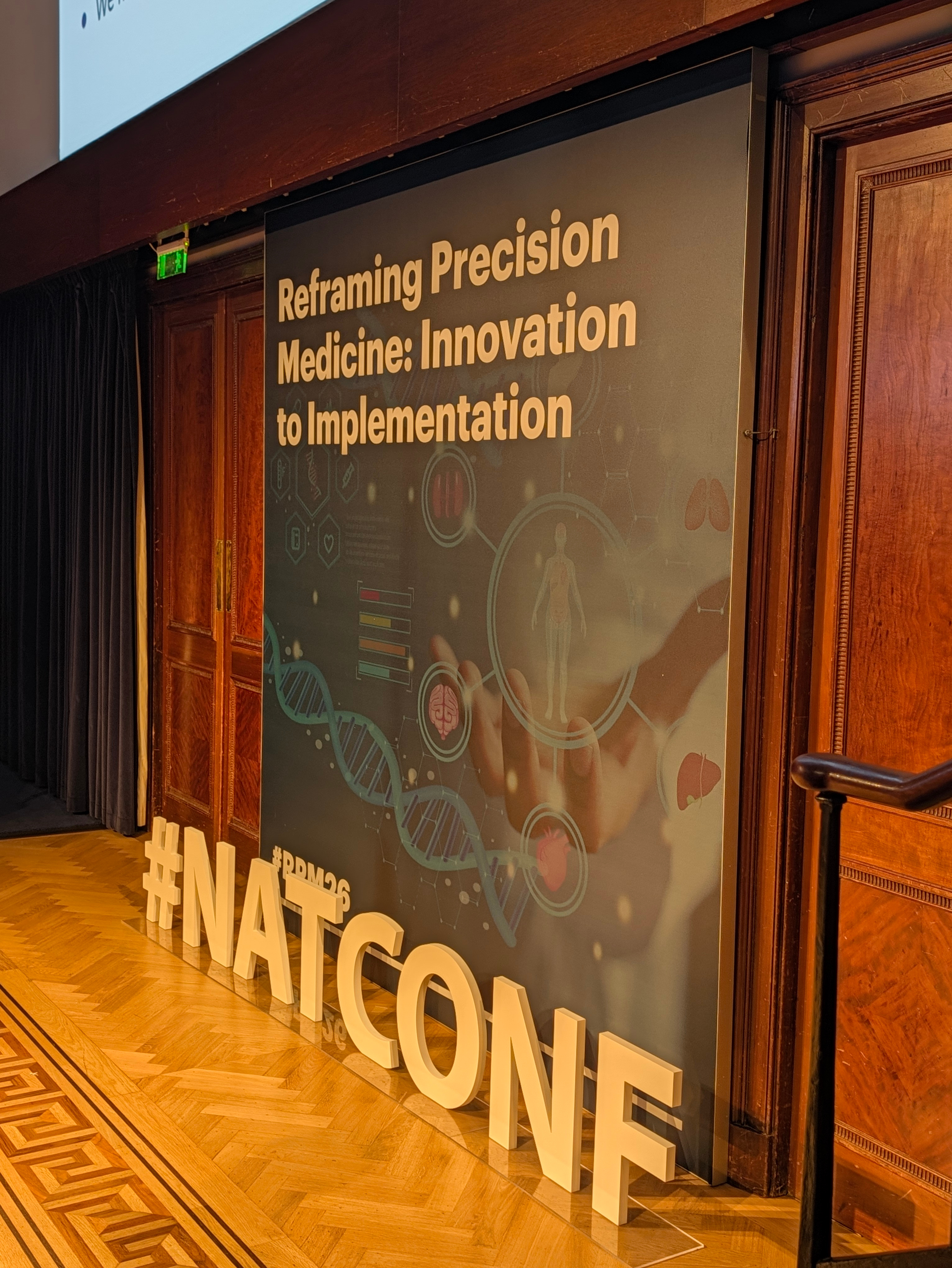
I arrived at the Nature Precision Medicine conference this week with a background in behavioural neuroscience and a different set of questions. I study how changes in neural state shape behaviour, particularly in sleep, synaptic excitability and homeostasis.
What struck me almost immediately was how often the language of prediction appeared across very different areas of medicine — from oncology and immunology to digital health and remote monitoring.
AI was everywhere, even within the historic setting of the Royal Institution. But AI itself was rarely the most interesting part. The more interesting questions were: what are we trying to predict? How early can meaningful changes be detected? And can those predictions change what happens next?
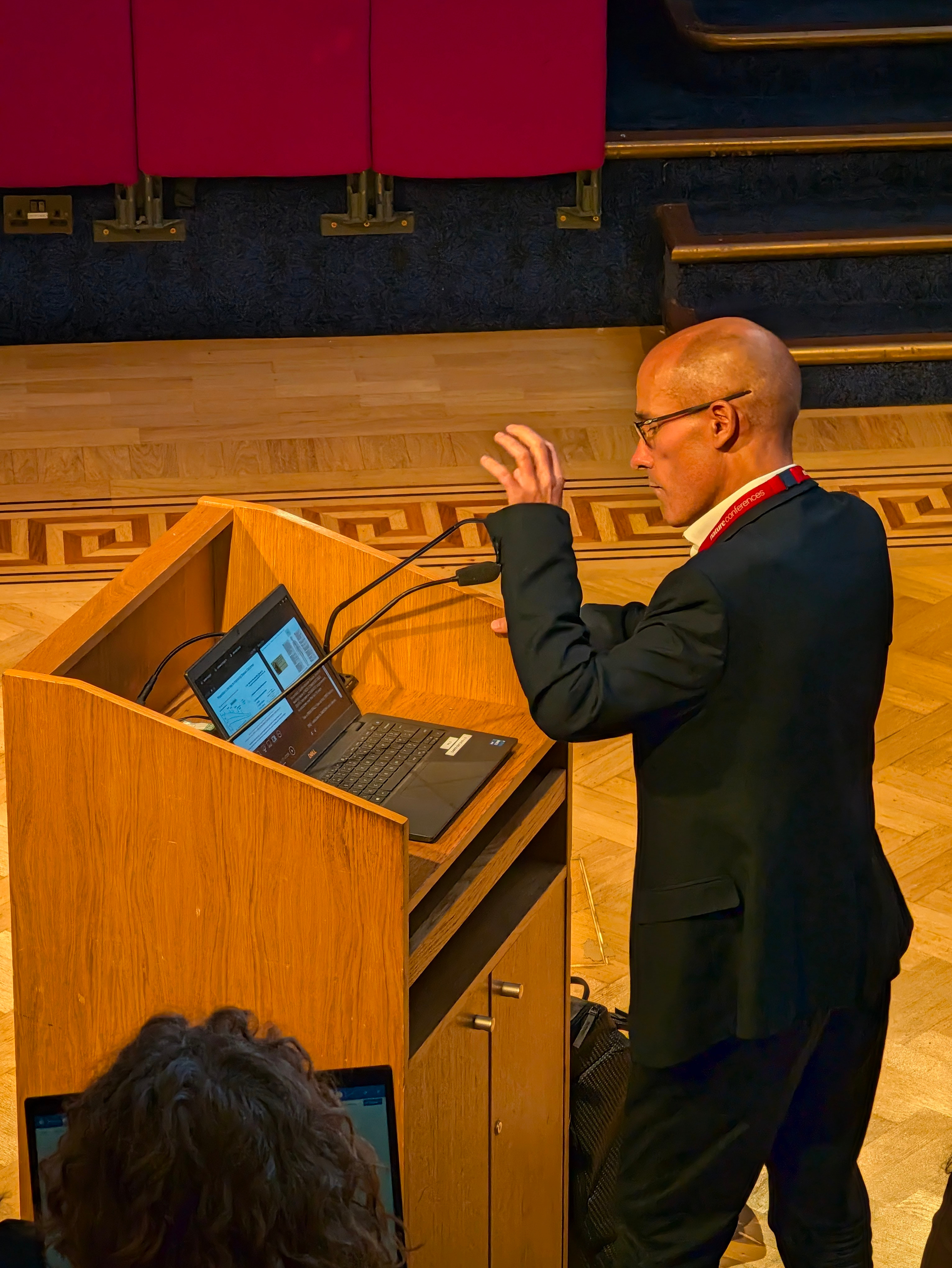
Across talks on machine learning, wearable technologies, lung cancer, immune responses and sleep, a common theme emerged:
Medicine is increasingly interested not only in describing what is happening now, but in anticipating what may happen next.
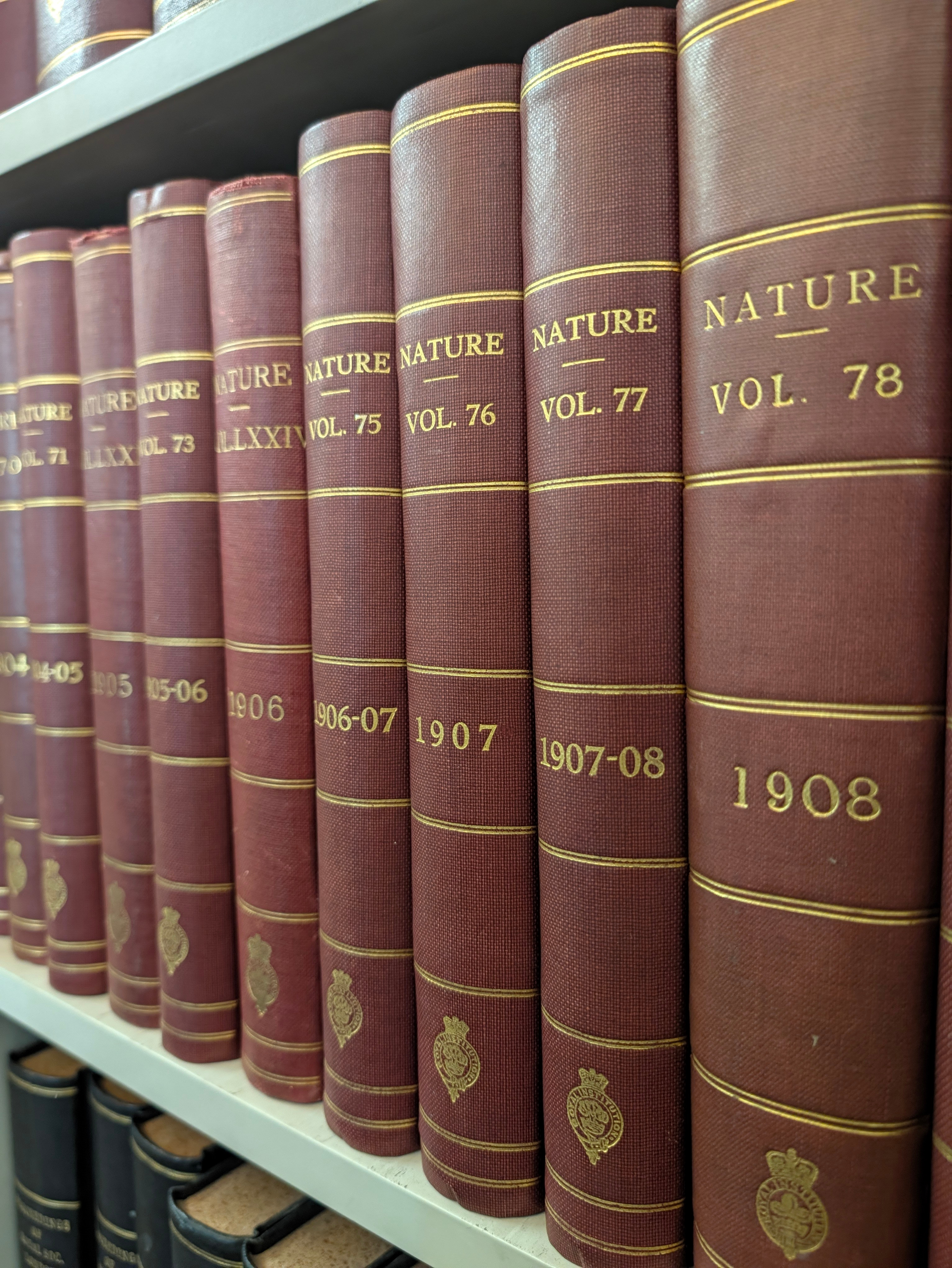
Coming from neuroscience, I found this slightly different from the questions I am used to asking. In basic neuroscience, we often ask: what mechanism explains a change in behaviour? Which receptor, circuit or synaptic process is involved?
Precision medicine often starts from another direction: Can we detect a meaningful change early enough to intervene? That contrast made me wonder whether the two approaches could be brought closer together.
Prediction is useful. But it becomes much more interesting when we can also understand the biological state underlying it.
I am a Research Associate at Imperial College London studying how neural state influences behaviour, with a focus on sleep, synaptic excitability and recovery. I use automated behavioural monitoring in Drosophila to study how animals respond to and recover from perturbations. I am also interested in AI-enabled research and open scientific tools, and use behavioural macro photography as a way to communicate science.