When Vegetation Becomes Climate Infrastructure
Published in Ecology & Evolution and Agricultural & Food Science
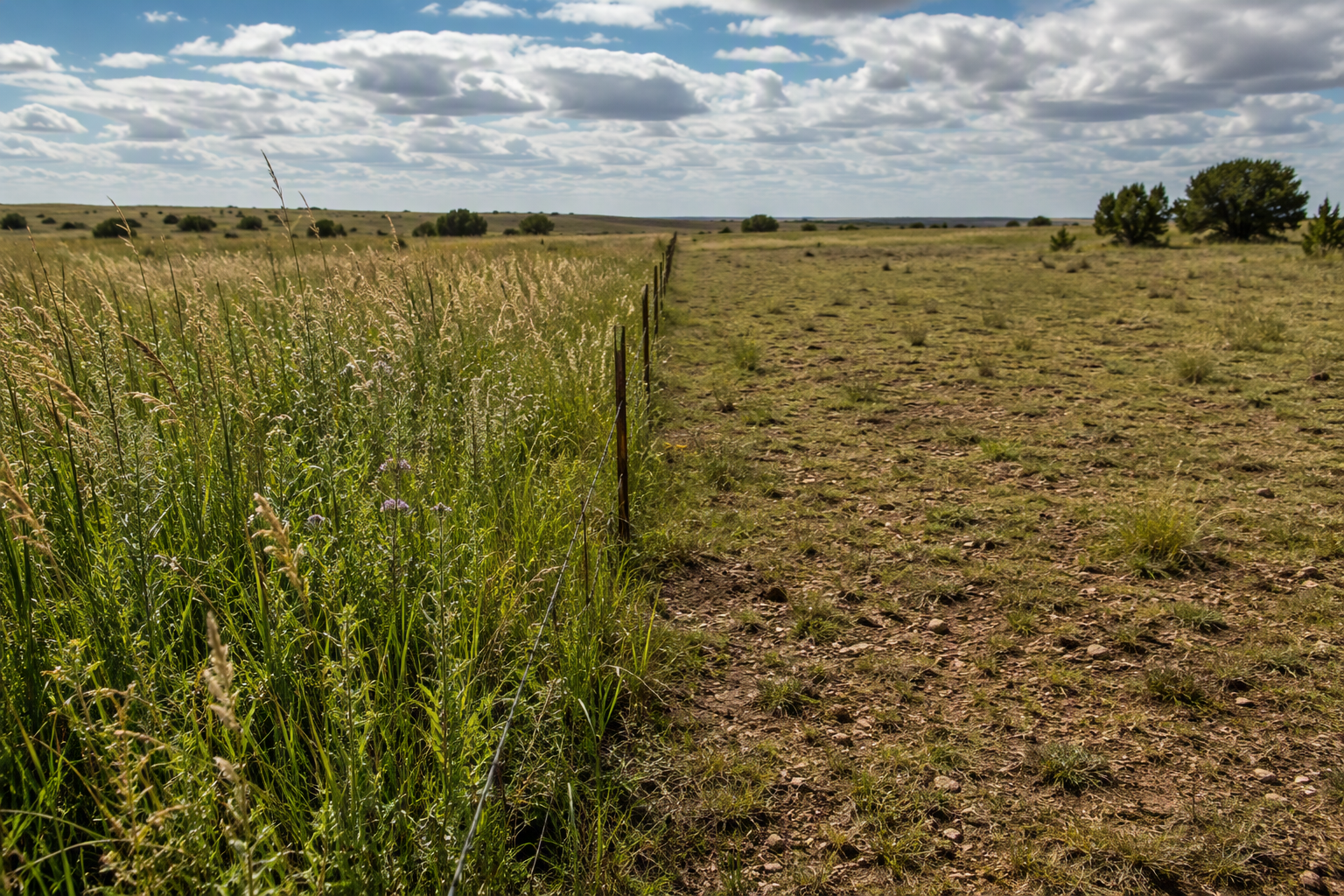



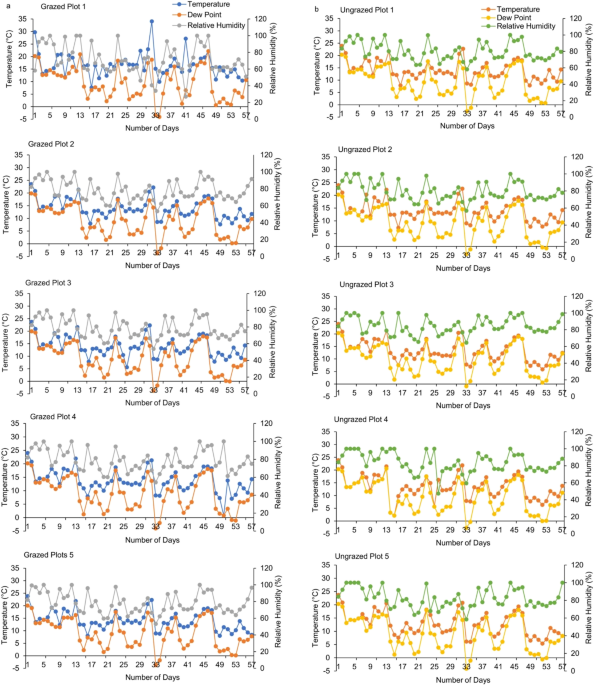

Grasslands are often discussed in terms of forage production, biodiversity, or carbon storage. Less attention is paid to the way vegetation shapes the microclimate experienced by plants and soil at ground level. A study recently published in the Journal of Soil Science and Plant Nutrition examined this question in Texas grasslands, comparing grazed and ungrazed plots using continuous measurements of air temperature, relative humidity, and dew point temperature, alongside assessments of soil properties and plant biomass.
The study was conducted in ten experimental plots, monitored over 57 days. Sensors recorded microclimatic conditions while researchers measured soil moisture, bulk density, porosity, and biomass production. The comparison revealed consistent differences between grazed and ungrazed areas. On average, grazed plots were about 1 °C warmer and showed lower relative humidity and lower dew point temperatures than ungrazed plots. Fog was observed only in ungrazed plots, suggesting that vegetation cover helped maintain cooler and more humid near-surface conditions.
Changes in vegetation were closely linked with these shifts. Biomass in grazed plots was approximately 85% lower than in ungrazed plots, while soil mass water content was reduced by about 15%. The authors found that increasing biomass was generally associated with lower air temperatures and higher relative humidity in ungrazed areas. In practical terms, the presence of vegetation appeared to buffer temperature fluctuations and support a wetter microenvironment.
Soil moisture matters
The work also highlights interactions between climate and soil processes. Higher temperatures were associated with lower relative humidity and lower soil water content, while ungrazed plots tended to have lower bulk density and greater water availability. These relationships matter because soil moisture influences numerous ecological processes, from plant growth to microbial activity. The study therefore connects grazing management not only with vegetation dynamics but also with the physical conditions that regulate ecosystem functioning.
The findings align with a broader body of research showing that vegetation cover can moderate local temperatures and help retain moisture. At the same time, the authors emphasize that grazing effects depend on environmental context, including climate, grazing intensity, and land management practices. Their study focused on a single grassland site in Texas and covered an observation period of just over eight weeks, so the results should be interpreted within those boundaries rather than generalized to all grassland systems.
By continuously monitoring microclimatic conditions in a field setting, this study offers a detailed look at how vegetation removal influences the soil–plant–atmosphere system. The results suggest that maintaining vegetation cover can contribute to cooler temperatures, higher humidity, and greater soil water availability, reinforcing the importance of grassland management decisions for ecosystem conservation and resilience.
Text and image created with the assistance of AI.

Follow the Topic
-
Journal of Soil Science and Plant Nutrition
The Journal of Soil Science and Plant Nutrition is an international, peer reviewed journal devoted to publishing original research findings in the areas of soil science, plant nutrition, agriculture, and environmental science.