Why Do Tissue Culture Protocols Fail? (The Reason Is Not Hormones)
Published in Plant Science
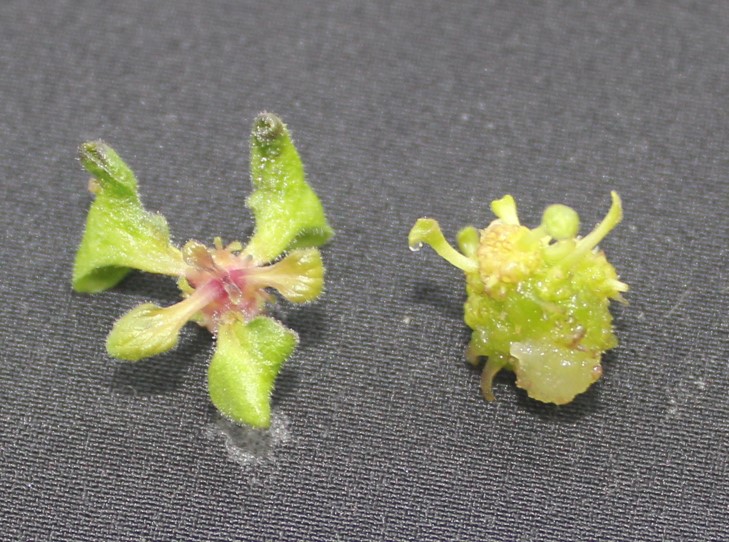


Several critical factors influencing the success of tissue culture are frequently overlooked: Physiological Age of the Explant A tissue that appears youthful may not be physiologically young. How?
The environmental history of the source plant, including exposure to stress, dormancy and its metabolic state, directly influences the in vitro response. Phenolic Load and Oxidative Stress Browning is not merely an aesthetic concern. Phenolic oxidation represents a significant stress response that inhibits cellular reprogramming. Antioxidant strategies, such as the use of ascorbic acid, activated charcoal, and pre-treatments, often prove more effective than hormone optimization.
Medium Ionic Strength Is the "standard MS" medium truly optimal for most species? A full-salt medium can induce osmotic and ionic stress in certain genotypes; modified or diluted media can significantly impact morphogenesis.
Misinterpretation of TDZ and Strong Cytokinins! Thidiazuron (TDZ) is a potent agent. However, it is often erroneously equated with "high effect = high success." Beyond its cytokinin-like effects, TDZ also exerts stress-like effects. Excessive callusing, vitrified tissues, or abnormal shoots frequently result not from hormone excess, but from mismanagement of cellular stress.
Genotype × Environmental History and Stress Memory Conditions such as salinity, drought, light intensity, or nutrient availability experienced by the source plant can leave epigenetic marks at the cellular level. This "stress memory" directly affects the in vitro response. While the in vitro environment may be sterile, it is not physiologically neutral. Indeed, the culture conditions themselves constitute a stress system. Interestingly, this stress is not invariably detrimental. Controlled in vitro stress can enhance secondary metabolite production. Thus, the objective is not to eliminate stress entirely, but to manage it effectively.
A significant portion of the reproducibility issues in tissue culture arises from treating the protocol as a "recipe." Hormone ratios can be adjusted, but optimizations made without a comprehensive understanding of the physiological context are merely superficial remedies. The pertinent question is not "Which hormone should I use?" but rather "What is the physiological state of this tissue?" The true bottleneck in tissue culture is not the concentration of plant growth regulators (PGRs), but the physiological context.




Please sign in or register for FREE
If you are a registered user on Research Communities by Springer Nature, please sign in
You’ve highlighted some of the most underappreciated realities of plant tissue culture, and I fully agree with your perspective. Success in vitro is not simply about tweaking hormone ratios—it’s about understanding the physiological context of the explant.
Your conclusion is spot on: reproducibility issues stem from treating tissue culture as a recipe rather than a dynamic system. The real bottleneck is not the hormone concentration, but the state of the tissue itself.
This is a powerful reminder that tissue culture is as much about physiology and stress management as it is about PGRs. I’d say your post reframes the conversation in a way that many practitioners need to hear.