World Water Day 2026
Published in Earth & Environment, Ecology & Evolution, and Sustainability
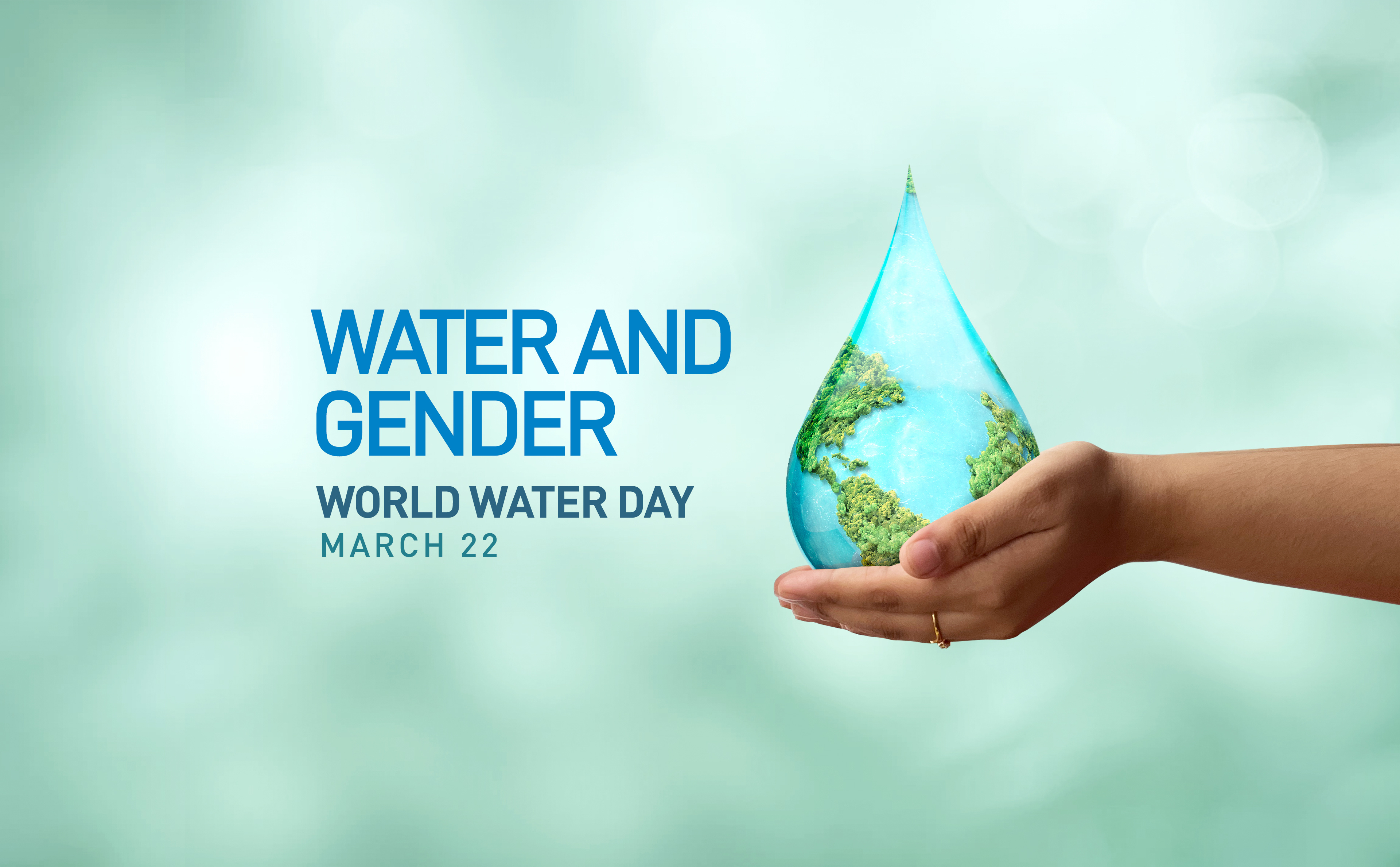
World Water Day, observed every year on March 22, is a global initiative led by the United Nations to raise awareness about the importance of freshwater and promote the sustainable management of water resources. It highlights that access to safe and clean water is fundamental to health, wellbeing, and sustainable development.
The theme for World Water Day 2026, Water and Gender, draws attention to the unequal impact of the global water crisis. While water challenges affect everyone, women and girls often bear the greatest burden, particularly in communities where access to safe drinking water and sanitation remains limited. This year’s theme calls for placing women and girls at the centre of water solutions, recognizing that improving water access can also drive greater equality.
Despite global progress, billions of people still lack access to safely managed drinking water and sanitation services. Water-related challenges are closely linked to public health, gender equality, climate change, and economic development. As highlighted by global organisations such as UN-Water and UNESCO, addressing these challenges is essential for achieving the Sustainable Development Goals (SDGs), particularly SDG 6: Clean Water and Sanitation.
In this blog, we highlight recent publications from the BMC Series journals, including BMC Public Health and BMC Chemistry. These studies explore the impact of safe water access, the relationship between water and health, and innovative approaches to water purification.
Access to safe drinking water is one of the most effective ways to prevent infectious diseases, particularly among vulnerable populations. A study published in BMC Public Health evaluated the impact of safe water delivery combined with water, sanitation, and hygiene behavior change communication (WASH-BCC) on diarrheal disease prevalence among children under five years in a slum setting in Nairobi, Kenya.
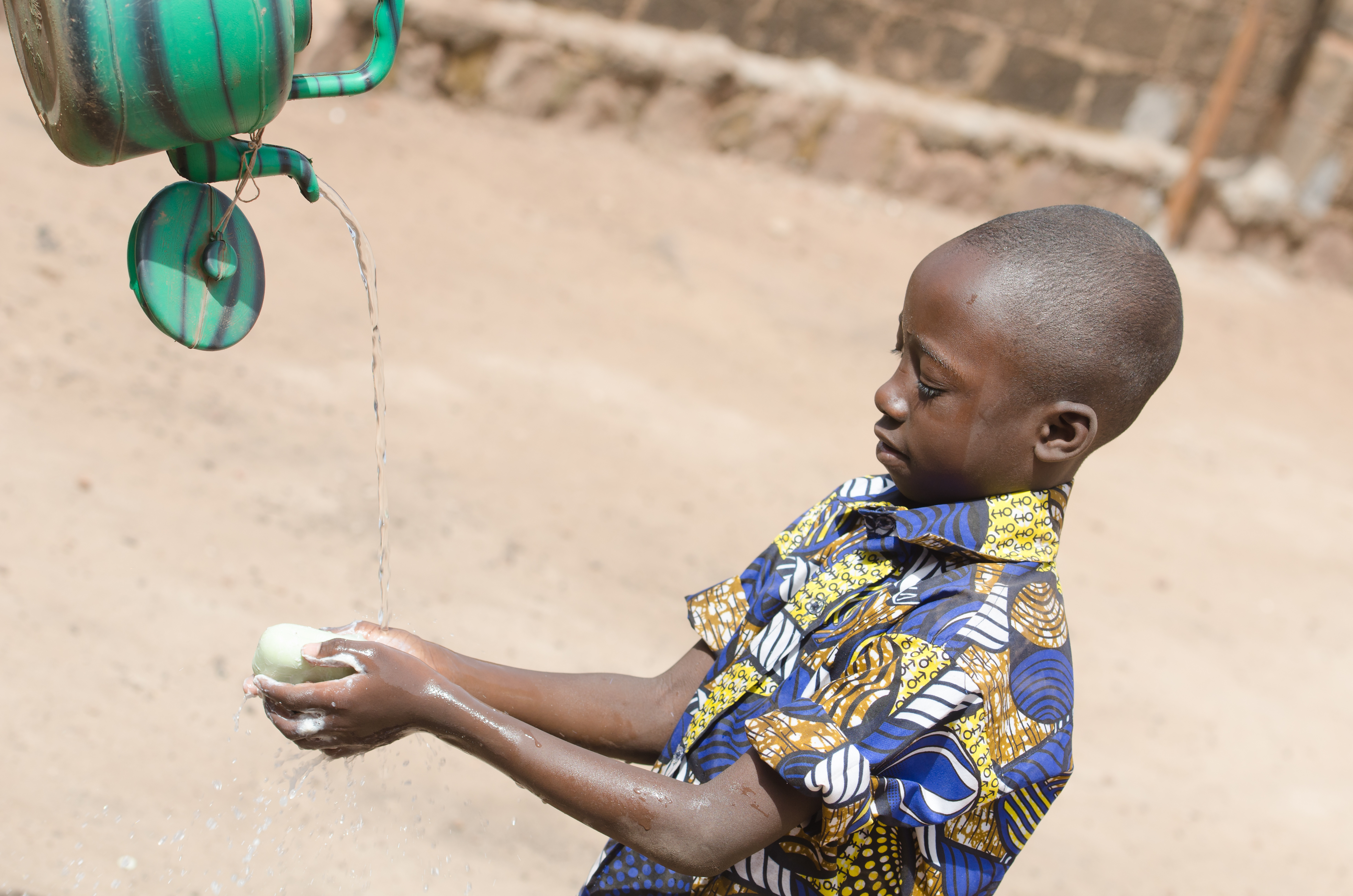
The study found that improving access to affordable, safe, and clean water, along with WASH-BCC interventions such as safe water handling, hygiene practices, and sanitation awareness, significantly reduced the prevalence of diarrheal disease among young children. By integrating water access with community-level education, the study demonstrates how simple, scalable interventions can lead to meaningful improvements in child health. It reinforces the importance of combining infrastructure, awareness, and behavior change to address water-related health challenges.
BMC Public Health – Flowing toward well-being: exploring the nexus of clean water access and sexual reproductive health among women and girls in rural Uganda
In many communities, women and girls bear the primary responsibility for water collection due to entrenched gender norms. The time spent fetching water often limits opportunities for education, employment, and social participation, while inadequate access to clean water can negatively impact their sexual and reproductive health.
A study published in BMC Public Health explored how access to clean water influences sexual and reproductive health among women and girls in rural Uganda. The findings revealed that limited water access affects menstrual hygiene, increases exposure to unsafe conditions, and places additional physical and emotional burdens on women and girls. In contrast, improved water access was associated with better hygiene practices, enhanced safety, and overall wellbeing.
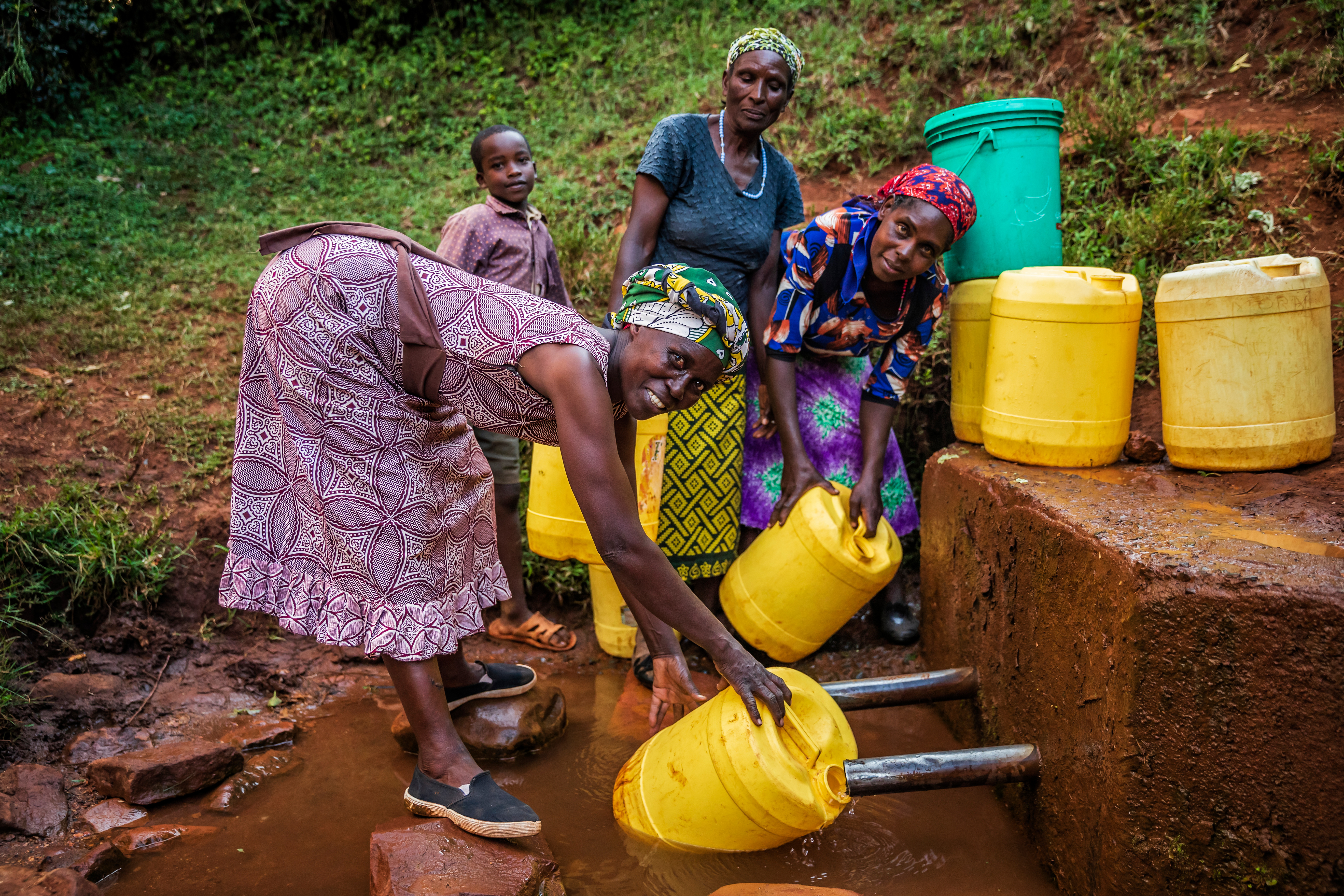
Using gender norms as a key lens, the study highlights how being a woman or girl shapes experiences of accessing water. It underscores the interconnected nature of water, health, and gender equality, showing that improving water access not only enhances health outcomes but also empowers women and girls and supports broader social and developmental goals.
Alongside improving access to water, innovation in water purification technologies is essential to address global water challenges. Research published in BMC Chemistry explores the use of Moringa oleifera seed proteins in developing nanoemulsions for water purification. The study demonstrates that these naturally derived biocoagulants can effectively remove impurities from water, offering a sustainable and potentially low-cost alternative to conventional chemical treatments. By leveraging plant-based materials, this approach aligns with environmentally friendly practices and reduces reliance on synthetic chemicals.

Such innovations highlight the potential of combining biotechnology with sustainable resources to develop efficient water treatment solutions. As water scarcity and pollution continue to rise, these approaches offer promising pathways for improving water quality, particularly in resource-limited settings.

Noohi joined Springer Nature in 2023 and is currently a Senior Editor with the BMC Series. She holds a PhD in Biotechnology and is based in the Pune office. With a background spanning academic research and scientific publishing, she is particularly interested in people‑centred research, research integrity, and enhancing the author and reviewer experience.
Follow the Topic
-
BMC Public Health
An open access, peer-reviewed journal that considers articles on the epidemiology of disease and the understanding of all aspects of public health.
-
BMC Chemistry
Formerly known as Chemistry Central Journal, this is an open access, peer reviewed journal publishing research in all areas of pure and applied chemistry.


Related Collections
With Collections, you can get published faster and increase your visibility.
HIV stigma
BMC Public Health is calling for submissions to our Collection on HIV stigma, which remains a critical barrier to achieving optimal health outcomes for individuals living with HIV. Stigma undermines their quality of life, access to healthcare, and overall well-being. Despite significant advancements in treatment and prevention, discrimination and stigma continue to perpetuate fear, isolation, and misinformation within communities.
The urgency to address HIV stigma is heightened in the context of global health initiatives, as we strive for a more inclusive society where individuals living with HIV are empowered, well-informed, and treated with dignity. This Collection aims to gather cutting-edge research and diverse perspectives that illuminate the multifaceted nature of HIV stigma, highlighting the intersections of culture, policy, and public health that shape the experiences of those affected.
The Collection welcomes scholarship that not only documents stigma but also advances new ways of understanding and responding to it. We particularly invite work that examines stigma as a social, structural, and relational force that shapes care, rights, intimacy, and everyday life for people living with HIV.
The scope of this Collection encompasses a range of topics related to HIV stigma, including but not limited to:
- Qualitative research that foregrounds the knowledge, agency, and perspectives of people living with HIV and others affected by stigma
- Psychosocial dimensions of stigma experienced by people living with HIV
- The role of HIV awareness campaigns in combating stigma
- Innovative and community engaged approaches to measuring or addressing stigma
- Policy analyses addressing stigma in healthcare settings
- Intersectional analyses of stigma across gender, sexuality, age and migration, social, environmental or structural determinants of health contributing to discrimination
- Impacts of digital spaces, media narratives, and global health governance on stigma
This Collection supports and amplifies research related to SDG 3: Good Health & Well-being and SDG 10: Reduced Inequalities. We strongly encourage submissions from the global south and from teams that include community partners and lived experience experts.
All manuscripts submitted to this journal, including those submitted to collections and special issues, are assessed in line with our editorial policies and the journal’s peer-review process. Reviewers and editors are required to declare competing interests and can be excluded from the peer review process if a competing interest exists.
Publishing Model: Open Access
Deadline: Dec 01, 2026
Digital exclusion and health equity
Digital exclusion poses significant barriers to health equity, particularly in the context of an increasingly technology-driven healthcare landscape. Many individuals, especially from underserved communities face challenges in accessing digital health resources, including telehealth services, electronic health records, and health information online, alongside challenges from other social determinants of health. This Collection seeks to explore the intersection of digital health access and health equity, focusing on the disparities that arise from unequal access to digital tools and resources.
Addressing digital health exclusion is critical for promoting health equity and ensuring that all individuals can benefit from advancements in digital health. Recent strides in telehealth and digital health interventions have demonstrated the potential for technology to improve access to care, yet they also reveal significant disparities that must be acknowledged. By understanding the factors that contribute to eHealth disparities, we can develop targeted digital inclusion strategies that address the unique needs of diverse populations, ultimately fostering a more equitable health system.
Topics for submission include but are not limited to:
- Equitable digital health systems: policy, infrastructure, and community engagement
- Digital health access among underserved communities
- Digital literacy and health outcomes across diverse populations
- Innovations and implementation strategies for bridging digital health gaps in underserved communities
- Measuring and monitoring digital health disparities: metrics and methodologies
This Collection supports and amplifies research related to SDG 3 (Good Health and Well Being) and SDG 10: (Reduced Inequalities).
All manuscripts submitted to this journal, including those submitted to collections and special issues, are assessed in line with our editorial policies and the journal’s peer-review process. Reviewers and editors are required to declare competing interests and can be excluded from the peer review process if a competing interest exists.
Publishing Model: Open Access
Deadline: Dec 11, 2026