MACTRI Summer School Programme 2026
Published in Social Sciences


For the second year, MACTRI is hosting the UK arm of the Abdias Nascimento Academic Development Program which is a collaborative project between the Federal University of the Amazon, Federal University of the Mato Grosso and Manchester Community Training & Research Institute (MACTRI)
Overall goal of the programme
The overall goal of this leg of the programme is to use UK grassroots decolonial praxis as an inspiration for the Brazilian development of methods and strategies that combat epistemic racism generated by curricula frameworks and research practices that fail to incorporate Black, Indigenous, Latin American critical knowledge into their foundations.
The project has allowed students from UFAM to share their research and collaborate with Scholars at MACTRI who are involved with the MACTRI Scholars Publishing Programme (MASPP)
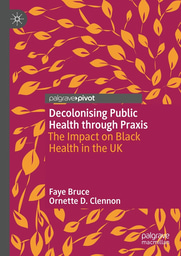
Their collaboration will culminate in the writing of a volume as part of the book series: Palgrave Studies in Decolonisation and Grassroots Black Organic Intellectualism (PSDGBOI)
Taken from here
Background
After our evaluation of the exchange programme last year, we (Profs Iolete Da Silver, Adria De Lima Sousa and I) really had to think hard about how we structured a programme that truly facilitated the development of a decolonial praxis to address last year's question:
What are decoloniality and decolonisation and how can they be used by our grassroots communities to help them to build sustainable community infrastructures for local service delivery?
This year, we made a concerted effort to make sure that our exchange students' Brazilian supervisors worked more closely with us at MACTRI so that learning from the UK could be meaningfully translated into Brazilian community development.
We organised study groups where we discussed our thoughts from the decolonial reading list, that I curated for them and in concert, with their supervisors, we formulated action plans for work with their communities back home in Brazil.
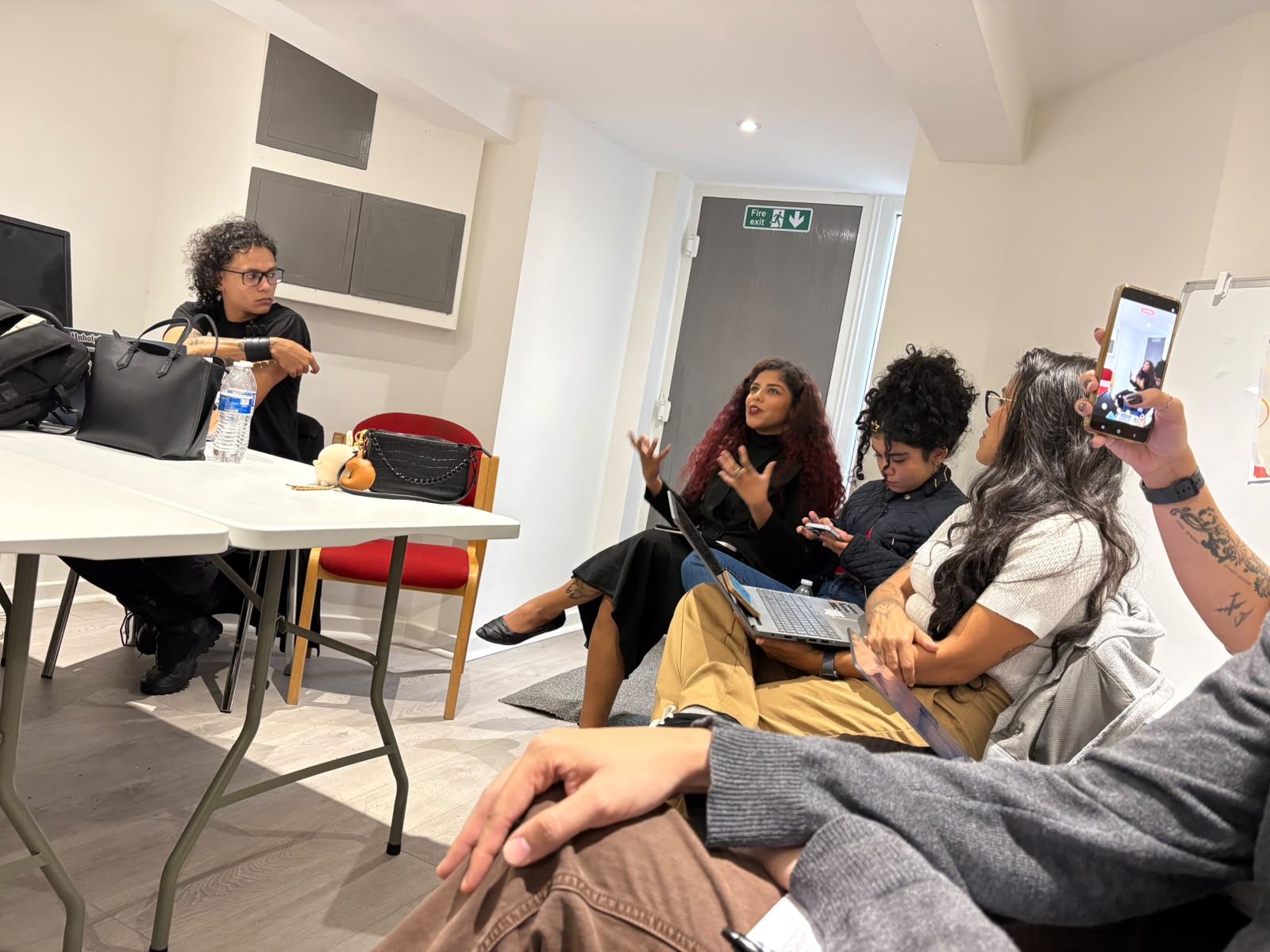
Community Research as Decolonial Praxis: The Flipped Academic?
In our decolonial conference, we explored how the research ideas of both our visiting students and MACTRI Scholars could be combined into collaborative enquires with their respective communities that could be reported on in an edited volume in the Palgrave Studies in Decolonisation and Grassroots Black Organic Intellectualism (PSDGBOI)
We came up with the following collaborative enquires that involved building decolonial praxes with our local communities in both the UK and Brazil:
The trajectories and opportunities for Black students in education, Higher Education and teacher training in Brazil and the UK
- Looking at ancestral in Brazil and supplementary education in the UK
- Looking at how education is accessed and the difference it can make to local grassroots communities
The social (and geographical) mobility of UK Black and Indigenous Amazonian students
Uncovering colonial structures enabling Racism and Ableism in Higher Education in Brazil
Black Motherhood in Brazil and the UK
- Looking at Traditional (Indigenous and UK Congolese) models of motherhood
Motherhood and Ballroom Culture in Brazil
- Looking at contemporary LGBTQ+ models of motherhood that challenge gender stereotypes and actively operate within decolonial frameworks
Challenging Masculinities in Brazil and the UK
- Looking at IPV (Intimate Partner Violence) using a Decolonial Toolkit of emotional, spiritual and cultural intelligences with emotional resilience as a form of aftercare for male victims and the rehabilitation of male perpetrators
- Looking at Spiritual intelligence as a way into accessing Indigenous forms of Masculinities i.e. traditional/ancestral “gender” formations
With our international exchanges, we hope that we are helping to nurture the next generation of Flipped Academics whose work isn't driven by the need to create impact but whose work is organically useful (impactful via knowledge co-production) to their local communities.