Should Singapore’s CPF MediSave Fund Elective Egg Freezing (EEF) and PGT-A? A Policy Evaluation White Paper
Published in Healthcare & Nursing, Social Sciences, and General & Internal Medicine
Summary: Singapore faces an unprecedented demographic crisis, with its Total Fertility Rate (TFR) plummeting to a historic low of 0.87 in 2025 — less than half the replacement level of 2.1. In response to this decline, there have been growing calls to expand the utilization of the Central Provident Fund (CPF) MediSave scheme to fund a broader array of Assisted Reproductive Technologies (ART), including Elective Egg Freezing (EEF) and Preimplantation Genetic Testing for Aneuploidies (PGT-A). This paper critically examines the rationale behind such proposals and argues, from the perspective of government policymakers, that utilizing compulsory national savings for these two specific technologies fundamentally contradicts the core principles and operating rationale of the MediSave scheme. Drawing on clinical evidence, healthcare financing theory, demographic policy analysis, and ethical considerations, this research demonstrates that funding EEF and PGT-A through MediSave is financially imprudent, clinically unjustified, and socially counterproductive. The paper further argues that the demographic imperative, while genuine, does not override the foundational principles of a compulsory healthcare savings system, and that the state's pro-natalist objectives are better served through structural policy interventions rather than the subsidization of elective and evidentially uncertain reproductive technologies.
Please read the following news media article:
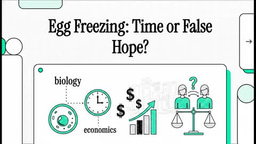
Using compulsory pension funds for social egg freezing – a viewpoint from Singapore | PET
1. Introduction
Singapore's demographic landscape is characterized by a rapidly aging population and a persistently declining Total Fertility Rate (TFR). The preliminary resident TFR for 2025 was recorded at 0.87, a decrease from 0.97 in 2024, and far below the replacement level of 2.1 [1]. This trend poses significant long-term challenges to the nation's economic vitality, workforce sustainability, and social support systems. The mean age of childbearing has increased, and a significant proportion of married women aged 40 to 49 reported having no children in 2024 [1]. These trends are driven by a complex interplay of socio-economic factors, including rising costs of living, career aspirations, and the increasing age at which individuals choose to marry and have children [3].
To mitigate these challenges, the Singaporean government has implemented a comprehensive suite of pro-natalist policies under the "Marriage and Parenthood" (M&P) framework, including baby bonuses, housing priorities, and co-funding for Assisted Conception Procedures (ACP) at public Assisted Reproduction (AR) centres [2]. A central pillar of healthcare financing in Singapore is the CPF MediSave scheme, a mandatory national medical savings account designed to help citizens pay for hospitalization, day surgery, and essential outpatient treatments. As the demographic crisis deepens, there is increasing pressure to expand MediSave's scope to cover advanced fertility treatments, including Elective Egg Freezing (EEF) and Preimplantation Genetic Testing for Aneuploidies (PGT-A), aiming to alleviate the financial burden on couples seeking to conceive [3].
However, this paper contends that such an expansion, specifically for EEF and PGT-A, would represent a fundamental contradiction of the rationale and core operating principles of the MediSave scheme. This paper focuses specifically on these two reproductive technology platforms, putting forward strong reasons — from the perspective of government policymakers — why they should not be funded by CPF MediSave. The analysis proceeds by first establishing the foundational principles of the MediSave scheme, before systematically applying those principles to each technology in turn, and concluding with a synthesis of the policy implications.
2. The CPF MediSave Scheme: Rationale and Core Operating Principles
To evaluate whether any given medical procedure should be eligible for MediSave funding, it is essential first to understand the scheme's foundational purpose and the principles that govern its operation. These principles are not merely administrative guidelines; they reflect a carefully considered social compact between the state and its citizens, built around the concept of compulsory savings for essential healthcare needs.
2.1 The Origins and Purpose of MediSave
The CPF MediSave scheme was introduced in 1984 as part of Singapore's broader Central Provident Fund system, a compulsory savings mechanism designed to provide for citizens' retirement, healthcare, and housing needs. MediSave is specifically designated for healthcare financing, and its core mandate is to ensure that Singaporeans have sufficient funds to cover essential medical expenses, particularly during old age when healthcare costs typically escalate significantly [4]. The scheme is funded through mandatory monthly contributions from both employees and employers, calculated as a percentage of wages, and the funds are ring-fenced specifically for healthcare purposes.
Crucially, MediSave is not a general-purpose healthcare subsidy. It is a personal savings account, and the funds within it represent the individual's own deferred income, held in trust for future essential medical needs. The state's role is to administer these funds prudently, ensuring they are available when genuinely needed. This fiduciary relationship between the state and the citizen is the bedrock upon which the entire scheme rests.
2.2 The Medical Necessity Threshold
The most fundamental operating principle of MediSave is the medical necessity threshold. MediSave is designed for the treatment of existing illnesses, pathological conditions, or medically indicated preventive care. The Ministry of Health (MOH) has consistently emphasized that healthcare financing policies are designed on clinical grounds, and that MediSave withdrawals are permitted only for procedures that address genuine medical needs [5]. This principle distinguishes between conditions that require medical intervention and personal or social choices that may involve medical procedures but do not constitute medical necessity.
This distinction is not merely semantic. It reflects a deliberate policy choice to preserve the integrity of a compulsory savings system by preventing its use for discretionary expenditures. A compelling illustration of this principle in practice is the MOH's existing policy on egg freezing: MediSave may be used for egg freezing only when it is performed on medical grounds, such as prior to chemotherapy for cancer, where the treatment itself directly threatens the patient's fertility [5]. In such cases, the loss of fertility is a direct consequence of a pathological condition requiring treatment. Elective egg freezing, by contrast, does not involve any underlying illness.
It is important to note that recent MOH policy updates, effective June 2025 and June 2026, will extend MediSave and MediShield Life coverage for embryo, egg, and ovarian tissue freezing, but only for medically necessary cases where fertility is threatened by illness or treatment [21] [22]. This explicit distinction reinforces the principle that elective procedures remain outside the scope of MediSave funding.
2.3 Financial Sustainability and the Protection of Retirement Savings
A second core principle is the protection of long-term financial sustainability, both at the individual level and for the healthcare system as a whole. MediSave is designed to cover healthcare expenses throughout an individual's entire lifetime, with particular emphasis on the higher medical costs associated with aging and chronic conditions [4]. Singapore's rapidly aging population makes this principle especially critical. By 2030, it is projected that one in four Singaporeans will be aged 65 and above [6], placing immense pressure on both individual MediSave accounts and the broader public healthcare system.
The CPF Board has explicitly stated that MediSave withdrawal limits are imposed to prevent the premature depletion of balances, ensuring that individuals retain sufficient funds for future medical needs [4]. Any expansion of MediSave coverage must be evaluated against this principle: does the proposed use risk depleting savings that will be needed for more critical healthcare needs later in life?
2.4 Evidence-Based Coverage and Prudent Resource Allocation
A third core principle is that MediSave coverage is tied to evidence-based clinical efficacy. Procedures eligible for funding must demonstrate clear, proven therapeutic benefits and a reasonable cost-to-benefit ratio [7]. This principle ensures that national healthcare resources — including the compulsory savings of citizens — are allocated prudently and effectively, rather than being directed towards procedures with uncertain, unproven, or marginal clinical benefits. The MOH's approach to healthcare financing is explicitly evidence-based, prioritizing interventions with demonstrable value [14].
The existing MediSave framework for IVF reflects these principles in action. Withdrawal limits are tiered by cycle number, declining from SGD 6,000 for the first cycle to SGD 5,000 for the second and SGD 4,000 for subsequent cycles, with a lifetime limit of SGD 15,000 per patient [8]. This structure acknowledges the diminishing returns of repeated IVF cycles and imposes a ceiling to protect long-term savings. It is within this carefully calibrated framework that proposals to fund EEF and PGT-A must be evaluated.
|
MediSave Withdrawal Limit |
Amount (SGD) |
|
1st IVF Cycle |
6,000 |
|
2nd IVF Cycle |
5,000 |
|
3rd and Subsequent Cycles |
4,000 |
|
Lifetime Total Limit |
15,000 |
Table 1: Current MediSave Withdrawal Limits for Assisted Conception Procedures [8].
3. The Case Against MediSave Funding for Elective Egg Freezing (EEF)
In June 2023, Singapore legalized Elective Egg Freezing (EEF) for women aged 21 to 37, regardless of marital status, marking a significant shift in reproductive policy [9] [23]. By the end of 2025, over 800 women had undergone the procedure [3]. However, the MOH has maintained that MediSave cannot be utilized to fund EEF, nor are government subsidies provided. This policy stance is not merely cautious conservatism; it is grounded in a principled application of MediSave's core operating framework.
3.1 EEF as a Social Choice, Not a Medical Treatment: Contradiction of the Medical Necessity Threshold
The most fundamental argument against MediSave funding for EEF is that it fails to meet the medical necessity threshold. EEF is a social or lifestyle choice aimed at mitigating the natural, age-related decline in fertility [5]. It is not a treatment for an existing illness or a pathological condition. A woman who elects to freeze her eggs is not ill; she is healthy, and her fertility is declining as a natural biological process. The procedure does not treat any disease, nor does it address any medical emergency.
This stands in direct contrast to medically indicated egg freezing, such as that performed before chemotherapy for cancer. In the latter case, the patient faces a genuine medical threat to her fertility as a direct consequence of a life-threatening illness and its treatment. The state's willingness to fund medically indicated fertility preservation, while declining to fund EEF, is therefore entirely consistent with the medical necessity principle. To extend MediSave to EEF would be to fundamentally redefine the purpose of the scheme — from a fund for essential medical care to a fund for personal reproductive planning. Such a redefinition would set a dangerous precedent, potentially opening the door to demands for MediSave coverage of other elective procedures, progressively diluting the fund's primary objective.
3.2 Financial Sustainability Risks and the Sunk Cost Problem
EEF is an expensive procedure. A single cycle costs between SGD 6,000 and SGD 15,000 [10]. Permitting young women to withdraw thousands of dollars from their MediSave accounts for an elective procedure significantly increases the risk of financial inadequacy in their later years, precisely when healthcare costs are highest and MediSave balances are most needed.
Compounding this financial risk is the critically low utilization rate of frozen eggs. Global and local data consistently indicate that a vast majority of women who freeze their eggs never return to use them [11]. This creates a profound "sunk cost" problem: MediSave funds are withdrawn and spent on a procedure that, in the majority of cases, yields no medical or demographic benefit whatsoever. From the perspective of prudent national resource allocation, this represents a highly inefficient use of compulsory savings. The state would, in effect, be subsidizing a procedure that fails to deliver on its implied promise in most cases, while simultaneously depleting the healthcare savings of the very women it purports to help.
3.3 The "Success Rate" Fallacy and Clinical Limitations
The narrative surrounding EEF is frequently characterized by an overstatement of its success, which can lead to a false sense of security among women who undergo the procedure. The clinical reality is considerably more nuanced. Frozen eggs have demonstrably lower success rates compared to fresh eggs; clinical data indicates that the live birth rate using fresh eggs is notably higher than that using frozen eggs [11]. Furthermore, not all eggs survive the thawing process, and the success of IVF using thawed eggs is highly dependent on the age at which the eggs were frozen.
|
Metric |
Fresh Eggs |
Frozen Eggs |
|
Live Birth Rate (Approx.) |
47.7% |
39.6% |
|
Egg Survival Post-Thaw |
N/A |
Variable (Not 100%) |
|
Utilization Rate |
Immediate Use |
Historically Low |
Table 2: Comparison of Fresh vs. Frozen Egg Efficacy and Utilization [11].
Applying MediSave's evidence-based coverage principle, the clinical case for EEF is weak. The procedure does not offer a reliable or proven pathway to live birth, and its efficacy is significantly lower than natural conception or IVF using fresh eggs. Directing compulsory savings towards a procedure with these clinical limitations is inconsistent with the principle of evidence-based, prudent resource allocation.
3.4 Moral Hazard and Contradiction of Pro-Natalist Demographic Goals
Perhaps the most significant policy concern, from the perspective of a government seeking to boost the birthrate, is the moral hazard created by subsidizing EEF. The MOH has explicitly stated that from a population policy perspective, the government does not want to inadvertently encourage couples to delay their marriage and family planning [5]. Providing MediSave funding for EEF would send a powerful signal: that the state endorses, and indeed financially supports, the decision to delay childbearing. This is precisely the opposite of the government's stated pro-natalist objective.
The International Monetary Fund (IMF) has noted that reproductive technologies are not a panacea for declining fertility rates, and that there is a common misconception that ART can fully offset age-related infertility [3]. Subsidizing EEF through MediSave would reinforce this misconception, providing women with a technological "safety net" that encourages them to postpone pregnancy during their peak fertile years. The biological reality is that the success of IVF — even with frozen eggs — declines with the advancing age of the woman carrying the pregnancy. Older pregnancies also carry significantly higher risks of complications, including gestational diabetes, preeclampsia, and chromosomal abnormalities [3]. Encouraging delayed motherhood through state-funded EEF therefore contradicts not only the demographic goal of increasing births, but also the public health goal of promoting safe and healthy pregnancies.
3.5 Commercialization of Fertility and Workplace Dynamics
The financial facilitation of EEF through MediSave raises profound ethical concerns regarding the commercialization of fertility. Fertility clinics operate as commercial entities, and if MediSave funds were unlocked for EEF, there is a substantial risk of aggressive marketing by private fertility clinics targeting young women's anxieties about their "biological clock" [12]. This could lead to the medicalization of healthy women and the promotion of EEF as a necessary form of "fertility insurance," enriching the private fertility industry at the expense of citizens' compulsory retirement and healthcare savings.
There is also a broader social concern regarding gender equity in the workplace. If EEF becomes financially accessible and normalized through state mechanisms like MediSave, it may inadvertently relieve employers of the pressure to create family-friendly work environments. Instead of accommodating young mothers, corporate culture might implicitly expect women to freeze their eggs and delay family-building to prioritize career progression [13]. This shifts the burden of balancing work and family entirely onto the woman and medical technology, rather than fostering the systemic societal change — in workplace culture, parental leave policies, and childcare provision — that is ultimately necessary to address the fertility crisis.
4. The Case Against MediSave Funding for PGT-A
Preimplantation Genetic Testing for Aneuploidies (PGT-A), formerly known as Preimplantation Genetic Screening (PGS), is a procedure used during IVF to screen embryos for chromosomal abnormalities before implantation [14]. Its primary goal is to select "euploid" embryos — those with the correct number of chromosomes — to increase the likelihood of a successful pregnancy and reduce miscarriage rates [15]. In Singapore, while other forms of preimplantation testing, specifically PGT-M (for monogenic diseases) and PGT-SR (for structural rearrangements), are approved and eligible for MediSave funding, PGT-A remains excluded from routine coverage [14] [15]. This distinction is not arbitrary; it reflects a principled application of MediSave's core operating principles.
4.1 Clinical Uncertainty: Failure to Meet the Evidence-Based Coverage Standard
The primary argument against MediSave funding for PGT-A is the profound uncertainty regarding its clinical efficacy in improving live birth rates across the general IVF patient population. The landmark STAR trial — a randomized controlled trial specifically designed to evaluate PGT-A — found no significant difference in ongoing pregnancy rates per embryo transfer between the PGT-A group and the control group for the overall study population of women aged 25 to 40 [16]. This is a critical finding: the most rigorous clinical evidence available does not support the claim that PGT-A improves outcomes for the broad population of IVF patients. Indeed, the ASRM's 2024 committee opinion states that "The value of PGT-A as a routine screening test for all patients undergoing in vitro fertilization has not been demonstrated" [24].
This lack of clear, broad-based therapeutic benefit means that PGT-A fails to meet MediSave's evidence-based coverage standard. The MOH's approach to healthcare financing is explicitly evidence-based, and the principle that MediSave should only fund interventions with clear, proven benefits is directly applicable here [14]. Funding a procedure that has not demonstrated efficacy in a well-designed randomized controlled trial would represent a departure from this principle and a misallocation of compulsory savings.
This stands in sharp contrast to PGT-M and PGT-SR, which are MediSave-eligible. These procedures target specific, severe, and debilitating genetic conditions — such as thalassaemia, Huntington's disease, or chromosomal structural rearrangements — where the clinical benefit is clear, the medical necessity is established, and the procedure directly prevents the transmission of a known, serious disease [15]. PGT-A, as a general chromosomal screening tool applied to all embryos regardless of any known genetic risk, does not meet this same standard of targeted, evidence-based medical necessity.
4.2 Risks of Embryo Biopsy and the Mosaicism Problem
Beyond the question of efficacy, PGT-A carries inherent clinical risks that further undermine the case for MediSave funding. The procedure involves a biopsy of the embryo, typically at the blastocyst stage, which carries an inherent risk of damaging the embryo [17]. Some studies have suggested that PGT-A might even decrease the cumulative live birth rate (CLBR) per started IVF cycle, as it can lead to fewer embryos being available for transfer due to biopsy damage or false-positive results [18].
The phenomenon of chromosomal mosaicism presents a particularly significant clinical challenge. Mosaic embryos — those containing both chromosomally normal and abnormal cells — have the potential to self-correct during development and result in healthy live births [17]. A PGT-A result that flags such an embryo as "aneuploid" may lead to its discarding, unnecessarily reducing a couple's chances of reproductive success. The ASRM committee opinion highlights that a significant percentage of embryos can be mosaic, and discarding these based on PGT-A can unnecessarily reduce a couple's chances of success [24]. This is not a theoretical concern; it represents a documented clinical risk that could actively harm the very patients PGT-A purports to help. From a policymaker's perspective, utilizing MediSave to fund a procedure that may reduce the cumulative success of IVF treatment is not merely imprudent — it is potentially counterproductive to the stated goal of increasing births.
4.3 Ethical Concerns and Embryo Commodification
The ethical dimensions of PGT-A also present significant concerns from a policy perspective. Unlike PGT-M and PGT-SR, which are targeted at preventing the transmission of specific, severe genetic diseases, PGT-A is a general screening tool applied to all embryos in an IVF cycle [15]. This broad application raises concerns about the commodification of embryos — the treatment of human embryos as products to be quality-controlled and selected based on chromosomal characteristics, rather than as potential human lives deserving of respect and protection.
Furthermore, the general nature of PGT-A creates a risk of misuse for non-medical purposes. Social gender selection — the selection of embryos based on sex for non-medical reasons — is strictly prohibited under Singapore's licensing conditions [14]. If PGT-A were routinely funded and normalized through MediSave, the risk of its use for such prohibited purposes, or for other forms of non-medical selection, would increase. The state should not facilitate, through the mechanism of compulsory savings, the normalization of embryo selection practices that risk crossing ethical boundaries.
There is also the issue of informed consent and the commercial pressures surrounding PGT-A. Private IVF clinics may represent PGT-A as a "success booster," potentially misleading patients about its actual clinical value [17]. If MediSave funds were available for PGT-A, the financial incentive for clinics to recommend the procedure — regardless of clinical indication — would be significantly amplified. Utilizing MediSave for a procedure susceptible to such commercial pressures could inadvertently endorse misleading practices and undermine the principle of informed consent, which is a cornerstone of ethical medical practice.
4.4 Economic Inefficiency and the Cost-Effectiveness Problem
From an economic perspective, PGT-A presents a serious challenge to the principle of prudent resource allocation. The procedure adds significant costs — often several thousand dollars — to an already expensive IVF cycle [19]. When evaluated against the clinical evidence, these costs are difficult to justify. Incremental Cost-Effectiveness Ratio (ICER) analyses for PGT-A frequently exceed commonly accepted willingness-to-pay thresholds, particularly for younger patients or those with a good prognosis [20]. Studies have indicated that PGT-A is not cost-effective compared with IVF alone, even in fresh donor oocyte cycles [25]. In other words, the additional cost of PGT-A per additional live birth achieved is, in many cases, too high to be considered a cost-effective use of healthcare resources.
Depleting finite MediSave funds for a procedure with high costs and uncertain clinical benefits risks financial inadequacy for future medical contingencies. This is a direct violation of the financial sustainability principle that underpins the MediSave scheme. The MOH's evidence-based approach to healthcare financing demands that MediSave be utilized for interventions with clear, proven benefits and demonstrable value [14]. PGT-A, as currently evidenced, does not meet this standard for the general IVF population.
5. Synthesis: A Fundamental Contradiction of MediSave's Core Principles
Having examined the cases against MediSave funding for EEF and PGT-A individually, it is instructive to consider the broader pattern that emerges. Both technologies, when evaluated against the core operating principles of the MediSave scheme, are found wanting in the same fundamental respects.
Medical Necessity. Neither EEF nor PGT-A constitutes a treatment for an existing illness or pathological condition in the general case. EEF is an elective social choice; PGT-A is a general screening tool without a specific medical indication for the majority of IVF patients. Both fail the medical necessity threshold that is the primary criterion for MediSave eligibility.
Financial Sustainability. Both procedures are expensive, and their costs, if funded through MediSave, would accelerate the depletion of individual accounts that are needed for essential healthcare in later life. The low utilization rate of frozen eggs and the uncertain clinical benefit of PGT-A compound this problem, creating the risk of significant financial expenditure with minimal or no return.
Evidence-Based Coverage. EEF has a demonstrably lower success rate than natural conception or IVF with fresh eggs, and its utilization rate is historically low. PGT-A has failed to demonstrate a significant improvement in live birth rates in the most rigorous clinical trial available, and its routine use is not supported by major professional bodies like ASRM. Neither procedure meets the standard of clear, proven therapeutic benefit required for MediSave coverage.
Alignment with Demographic Goals. Paradoxically, funding EEF through MediSave would likely undermine Singapore's pro-natalist demographic goals by creating a moral hazard that encourages delayed childbearing. PGT-A, by potentially reducing the cumulative live birth rate per IVF cycle through embryo biopsy damage and the discarding of viable mosaic embryos, could similarly reduce the number of births achieved through ART.
The proposal to fund EEF and PGT-A through MediSave therefore represents not merely a policy misstep, but a fundamental contradiction of the rationale for the scheme's existence. The MediSave scheme was created to protect citizens against the financial consequences of essential medical needs. Redirecting it to fund elective, commercially-driven, and evidentially uncertain reproductive technologies would betray this foundational purpose.
6. Policy Recommendations
The foregoing analysis leads to a clear set of policy recommendations for government policymakers.
Maintain the current exclusion of EEF and PGT-A from MediSave. The existing policy stance is well-grounded in the core principles of the MediSave scheme and should be maintained. Any future review of this policy should be contingent upon the emergence of robust, high-quality clinical evidence demonstrating clear and consistent improvements in live birth rates for the general IVF population, as well as a thorough assessment of the financial sustainability implications.
Invest in upstream, structural pro-natalist measures. The demographic challenge is real and urgent, but it cannot be solved by subsidizing elective reproductive technologies. The root causes of low fertility — high costs of living, inadequate childcare, inflexible work arrangements, and delayed marriage — require structural policy interventions. Investments in affordable, high-quality childcare, flexible work arrangements, and housing policies that support young families are likely to yield greater demographic dividends than subsidizing EEF or PGT-A [3].
Strengthen counselling and public education. The government should invest in comprehensive public education campaigns that provide accurate, evidence-based information on fertility, the realistic success rates of ART, and the risks of delayed childbearing. This would address the misconceptions that drive demand for EEF and PGT-A, and support informed decision-making by prospective parents.
Restrict MediSave to medically indicated fertility preservation. The existing policy of allowing MediSave for medically indicated egg freezing (e.g., in oncofertility cases) is appropriate and should be maintained. The clear distinction between medical necessity and elective choice must be preserved.
Mandate accreditation and ethical oversight of private fertility clinics. To address the risks of aggressive marketing and misleading clinical claims, the government should strengthen the accreditation and oversight framework for private fertility clinics. This would protect patients from commercial exploitation and ensure that clinical recommendations are grounded in evidence rather than financial incentives.
7. Conclusion
Singapore's demographic crisis is a genuine and pressing challenge, and the government's commitment to addressing it through a broad range of pro-natalist policies is both understandable and necessary. However, the proposal to expand CPF MediSave funding to cover Elective Egg Freezing (EEF) and Preimplantation Genetic Testing for Aneuploidies (PGT-A) represents a fundamental contradiction of the rationale and core operating principles of the MediSave scheme.
EEF fails the medical necessity threshold because it is an elective social choice, not a treatment for illness. It poses significant financial sustainability risks due to its high cost and low utilization rate, and it creates a moral hazard that actively contradicts Singapore's pro-natalist goals by signaling state endorsement of delayed childbearing. PGT-A fails the evidence-based coverage standard because the most rigorous clinical trial available found no significant improvement in live birth rates for the general IVF population. It carries inherent risks of embryo damage and the discarding of viable mosaic embryos, raises serious ethical concerns about embryo commodification, and is not cost-effective by accepted healthcare economics standards.
The integrity of the MediSave scheme — as a compulsory savings mechanism designed to protect citizens against the financial consequences of essential medical needs — must be preserved. While EEF and PGT-A provide important options for reproductive autonomy and may have a role in specific, carefully defined clinical contexts, they must remain privately funded. Singapore's demographic challenges require holistic, structural solutions that address the root causes of low fertility, not technological shortcuts funded by the finite and precious retirement savings of its citizens.
References
[1] Singapore Department of Statistics. (2026). Total Fertility Rate 2025. Retrieved from https://www.singstat.gov.sg/news/total-fertility-rate-2025
[2] Ministry of Health Singapore. (n.d.). Marriage and Parenthood Schemes. Retrieved from https://www.moh.gov.sg/managing-expenses/schemes-and-subsidies/marriage-and-parenthood-schemes/
[3] Tan, P. L. (2020). Lessons from Singapore on Raising Fertility Rates. IMF Finance & Development. Retrieved from https://www.imf.org/en/publications/fandd/issues/2020/03/lessons-from-singapore-on-raising-fertility-rates-tan
[4] CPF Board. (2024). Why are MediSave withdrawal limits imposed? Retrieved from https://www.cpf.gov.sg/service/article/why-are-medisave-withdrawal-limits-imposed
[5] Ministry of Health Singapore. (2025, February 4). Subsidies or MediSave Withdrawals for Egg Freezing. Parliamentary Question and Answer.
[6] National Bureau of Economic Research. Societal Aging and Its Impact on Singapore.
[7] PMC. Singapore's Health Reforms in Response to an Aging Society.
[8] Ministry of Health Singapore. (2023). MediSave Withdrawal Limits for In-Vitro Fertility Treatments. Retrieved from https://www.moh.gov.sg/newsroom/medisave-withdrawal-limits-for-in-vitro-fertility-treatments/
[9] Zora Health. (2025). 5-Minute Guide to Egg Freezing in Singapore (2025 Update).
[10] Haotanto, A. Egg Freezing in Singapore — Procedure, Costs, Benefits, Risks & Side Effects.
[11] Galen Centre. (2023, September 18). Fresh vs. Frozen Egg Donation: Which Is A Better Choice?
[12] Ethos Institute. (2019, March 10). Social Egg Freezing: Ethical and Social Issues.
[13] Springer Nature. (2025, June 17). Elective Egg Freezing in Singapore — Research Communities.
[14] Ministry of Health Singapore. (n.d.). Marriage and Parenthood Schemes. Retrieved from https://www.moh.gov.sg/managing-expenses/schemes-and-subsidies/marriage-and-parenthood-schemes/
[15] Ministry of Health Singapore. (2021, May 4). Introduction of Pre-Implantation Genetic Testing for Monogenic (Single Gene) Defects and Chromosomal Structural Rearrangements as Clinical Services. Retrieved from https://www.moh.gov.sg/newsroom/introduction-of-pre-implantation-genetic-testing-for-monogenic-single-gene-defects-and-chromosomal-structural-rearrangements-as-clinical-services/
[16] American Society for Reproductive Medicine (ASRM). (n.d.). Journal Club Global — Revisiting the STAR Trial: The Fellows Debate. Retrieved from https://www.asrm.org/journals/fertility-and-sterility/journal-club-global/jcg-revisiting-the-star-trial/
[17] Chin, A. H. B., & Sun, N. (2023). Sociocultural imperatives for Singapore to permit preimplantation genetic testing-aneuploidy (PGT-A) despite uncertain results and ongoing controversy. Journal of Assisted Reproduction and Genetics, 40(7), 1677–1679. Retrieved from https://pmc.ncbi.nlm.nih.gov/articles/PMC10310662/
[18] PMC. (2022). PGT-A is associated with reduced cumulative live birth rate in first IVF cycle. Retrieved from https://pmc.ncbi.nlm.nih.gov/articles/PMC9840738/
[19] PubMed. (2019). A cost-effectiveness analysis of preimplantation genetic testing. Retrieved from https://pubmed.ncbi.nlm.nih.gov/31106861/
[20] American Society for Reproductive Medicine (ASRM). (n.d.). Journal Club Global: Cost Effectiveness Analyses of PGT-A. Retrieved from https://www.asrm.org/journals/fertility-and-sterility/journal-club-global/jcg-cost-effectiveness-analysis-pgta/
[21] Ministry of Health Singapore. (2026, February 26). Enhanced Funding or Subsidies for Elective Egg Freezing, IVF and Other Fertility Treatments for Older Couples. Parliamentary Question and Answer. Retrieved from https://www.moh.gov.sg/newsroom/enhanced-funding-or-subsidies-for-elective-egg-freezing--ivf-and-other-fertility-treatments-for-older-couples/
[22] Ministry of Health Singapore. (2025). MOH Committee of Supply 2025 Booklet. Retrieved from https://file.go.gov.sg/mohcos2025booklet.pdf
[23] Freeze.health. (2024, May 4). Egg Freezing in Singapore. Retrieved from https://freeze.health/guide-to-egg-freezing-around-the-world/singapore
[24] American Society for Reproductive Medicine (ASRM). (2024). The use of preimplantation genetic testing for aneuploidy: a committee opinion. Retrieved from https://www.asrm.org/practice-guidance/practice-committee-documents/the-use-of-preimplantation-genetic-testing-for-aneuploidy-a-committee-opinion-2024/
[25] PubMed. (2020, December 9). Cost-effectiveness of preimplantation genetic testing for aneuploidy in fresh donor oocyte IVF cycles. Retrieved from https://pubmed.ncbi.nlm.nih.gov/34223271/



Please sign in or register for FREE
If you are a registered user on Research Communities by Springer Nature, please sign in