Strengthening evidence for the health of justice-involved people
Published in Healthcare & Nursing, Social Sciences, and Public Health

According to the Global Prison Trends report published this year by Penal Reform International and the Thailand Institute of Justice, there are more people in prison than ever before. More than 11 million, with growth of female imprisonment far outstripping male imprisonment.
Overcrowding, poor nutrition and medical neglect contribute substantially to poorer health outcomes for incarcerated people. There are higher rates of chronic medical conditions, such as asthma, hepatitis and HIV/AIDS, as well as mental health conditions such as depression, anxiety, and substance use. Each year spent in prison is associated with a two-year decline in life expectancy.
The importance of scholarly research into the health of people involved with the justice system has never been clearer. Evidence-based reform of carceral and probational healthcare is essential. Health & Justice is uniquely placed to serve this need.
Calls for Papers
To meet this need, Health & Justice has recently launched three new collections on topics important to health and research of justice-involved people.
Health equity for justice-involved individuals with special educational needs and disabilities
Guest Editors:
Nitsan Almog, PhD, Ono Academic College, Tel Aviv, Israel
Gila Amitay, PhD, Max Stern Academic College of Emek Yezreel, Afula, Israel
This Collection invites interdisciplinary research and commentary on the health and wellbeing of individuals with Special Educational Needs and Disabilities (SEND) who are involved in the adult or juvenile justice system. People with SEND—including those with neurodevelopmental conditions, learning disabilities, and cognitive impairments—face heightened vulnerability and systemic barriers throughout their justice involvement, from initial contact to incarceration and reintegration.
The Editors have adopted a broad health equity approach, addressing intersecting vulnerabilities such as socioeconomic disadvantage, racial disparities, migration status, LGBTQ+ identities, ethnic minorities, and other underrepresented groups who face compounded barriers across health, education, and justice systems.
Submission Deadline: 24 August 2026
Bridging the gap: Continuity of behavioral healthcare across the criminal justice continuum
Guest Editors:
Tonya Van Deinse, M.S.W., PhD, University of North Carolina at Chapel Hill, Chapel Hill, USA
Wendy Guastaferro PhD, Florida Atlantic University, Boca Raton, USA.
Individuals involved in the adult and juvenile justice systems often face myriad challenges, particularly when it comes to substance use disorders and mental illness. These challenges are exacerbated by the disjointed nature of care that many experience. By enhancing our understanding in this area, we can bridge the gaps in care and access to care, ultimately leading to improved health and safety outcomes for individuals.
Despite advancements in knowledge, there is still much work to be done in developing and disseminating effective interventions addressing the independent and combined influence of substance use and mental illness on criminal justice outcomes. By fostering interdisciplinary collaboration and focusing on translational science, we can create a more effective and equitable justice system that promotes health and well-being.
Submission Deadline: 15 July 2026
Innovative and ethical research methodologies in carceral health settings
Guest Editor:
Kathryn M. Nowotny PhD, University of Miami, Coral Gables, USA
Understanding the health needs of justice-involved individuals requires research approaches that are both ethically sound and methodologically robust. As the intersection of health and justice continues to evolve, it is essential to explore innovative strategies for conducting research in carceral contexts—particularly those that center the voices and experiences of incarcerated and formerly incarcerated populations.
This Collection focuses on survey methodology and qualitative research, and implementation science in correctional health settings, highlighting the ethical, methodological, and practical challenges researchers face. From navigating informed consent and institutional review processes to adapting data collection tools for constrained environments, the Collection aims to showcase creative approaches that uphold research integrity while generating meaningful insights.
Submission Deadline: 15 June 2026

Louis has been a Publisher at BMC since February 2022. He manages a fully open access portfolio of substance use and addiction journals, including Addiction Science & Clinical Practice, Harm Reduction Journal, Health & Justice and Journal of Cannabis Research.
Follow the Topic
-
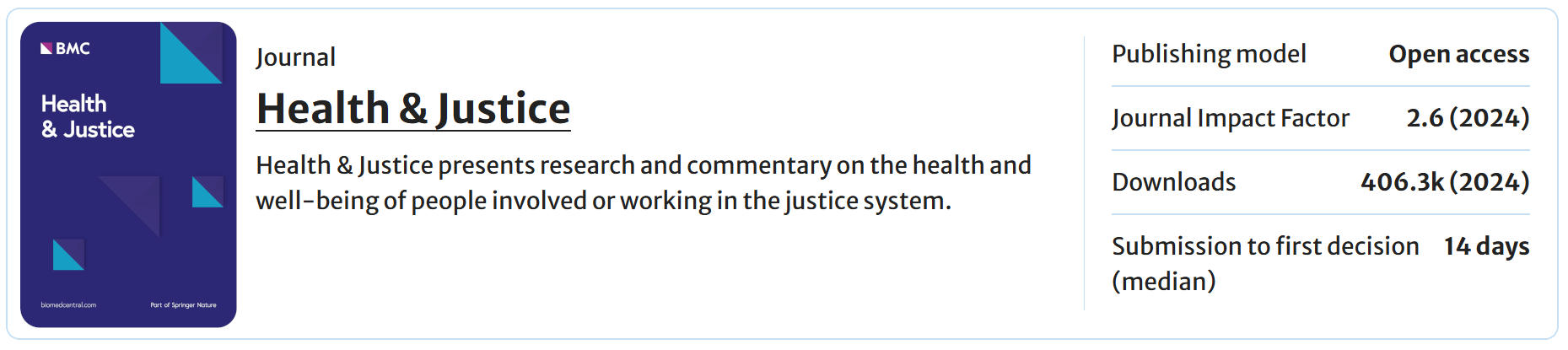
Health & Justice
This journal presents research and commentary on the health and well-being of people involved or working in the justice system.

Related Collections
With Collections, you can get published faster and increase your visibility.
Health equity for justice-involved individuals with special educational needs and disabilities
This Collection invites interdisciplinary research and commentary on the health and wellbeing of individuals with Special Educational Needs and Disabilities (SEND) who are involved in the adult or juvenile justice system. People with SEND—including those with neurodevelopmental conditions, learning disabilities, and cognitive impairments—face heightened vulnerability and systemic barriers throughout their justice involvement, from initial contact to incarceration and reintegration.
Aligned with Health & Justice’s mission to promote translational and implementation science, this Collection seeks to advance evidence-based understanding and practical innovations that improve outcomes for SEND populations. We welcome contributions that explore how health systems, justice practices, and policy frameworks can better identify, support, and protect individuals with SEND, and how cross-sector collaboration can drive meaningful change.
This Collection adopts a broad health equity approach, addressing intersecting vulnerabilities such as socioeconomic disadvantage, racial disparities, migration status, LGBTQ+ identities, ethnic minorities, and other underrepresented groups who face compounded barriers across health, education, and justice systems.
Topics of interest include (but are not limited to):
• Epidemiological studies on prevalence and health outcomes of SEND individuals in justice settings
• Translational research on screening, diagnosis, and care pathways for neurodiverse populations
• Implementation science exploring uptake of disability-informed practices in justice and health systems
• Gender-specific health needs and disparities among SEND populations in justice systems
• Cultural diversity, equity, and inclusion in care and justice practices for SEND individuals
• Interventions to improve mental health, physical wellbeing, and rehabilitation outcomes
• Trauma-informed and rights-based approaches to policing, adjudication, and detention
• Health service access and continuity for incarcerated individuals with SEND
• Lived experience research and participatory methodologies
• Comparative policy analysis and international perspectives on SEND in justice systems
• Training and support for justice and health professionals working with SEND populations
• Protocols and clinical guidelines tailored to justice-involved individuals with SEND.
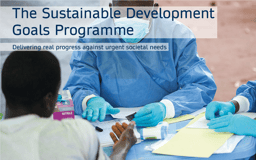
This Collection supports and amplifies research related to SDG 3, Good Health and Well-Being, SDG 10, Reduced Inequalities, and SDG 16, Peace, Justice and Strong Institutions.
All submissions in this collection undergo the journal’s standard peer review process. Similarly, all manuscripts authored by a Guest Editor(s) will be handled by the Editor-in-Chief. As an open access publication, this journal levies an article processing fee (details here). We recognize that many key stakeholders may not have access to such resources and are committed to supporting participation in this issue wherever resources are a barrier. For more information about what support may be available, please visit OA funding and support, or email OAfundingpolicy@springernature.com or the Editor-in-Chief.
Publishing Model: Open Access
Deadline: Nov 24, 2026
Protocols and Support Infrastructure for the Second Phase of the Justice Community Overdose Innovation Network (JCOIN 2.0)
People involved in the criminal legal system experience an acute burden of substance use disorders, with increased risk for overdose and co-occurring mental health conditions, other comorbidities, and complex social and structural needs. While justice involvement can provide opportunities to link people with lifesaving care and services, failing to effectively address the challenges of substance use in a timely manner can produce unnecessary harm among people involved in the justice system. Considerable gaps persist in the delivery, coordination, quality, effectiveness, and continuity of evidence-based substance use interventions across justice settings.
The second phase of the Justice Community Overdose Innovation Network (JCOIN 2.0), supported by the National Institute on Drug Abuse (NIDA), represents a national effort to develop and evaluate interventions to improve early intervention, treatment, and recovery outcomes for justice-impacted populations. JCOIN II emphasizes cross-cutting collaboration, advancing the study of implementation science, and the development of effective, sustainable models of care.
To inform the field about JCOIN 2.0’s efforts, this call invites JCOIN 2.0’s Clinical Research and Innovation Hubs as well as its resource centers (Coordination & Translation Center (CTC), Methodology and Advanced Analytics Resource Center (MAARC), JCOIN’s two Community-Engaged Research Resource Centers (CERRCs), and Economic Research Resource Center (ERRC) to contribute to a special edition of Health & Justice detailing study protocols and the network’s support infrastructure. These manuscripts will serve to educate the public and the scientific community about the work that is being conducted to advance critical health outcomes.
Submissions should clearly describe study aims, conceptual frameworks, intervention components, study design, and analytic plans. When applicable, implementation and dissemination strategies should also be included. Manuscripts describing supporting centers should detail their structure, functions, partnerships, and contributions to advancing JCOIN II’s scientific and translational goals.
This special collection will be designed to align with JCOIN 2.0’s working groups, delineated by the key domains of the Sequential Intercept Model: community and deflection; courts; and jails and prisons. An overview piece written by invited editors will synthesize the state of research in their respective domains. As a result, individual protocol submissions are not expected to include extensive literature reviews, allowing authors to focus on the rationale for their project and its protocol. The National Institute on Drug Abuse will provide an overview piece regarding the importance and significance of JCOIN 2.
All manuscripts will undergo peer review. Investigators funded under JCOIN 1.0 and JCOIN 2.0 will be invited to serve as peer reviewers for this collection and/or recommend qualified reviewers from their professional networks. To ensure editorial independence, manuscripts submitted by Guest Editor(s) will be handled by the Editor-in-Chief.
As an open-access journal, Health & Justice applies an article processing charge (APC). All submissions in this collection undergo the journal’s standard peer review process. Similarly, all manuscripts authored by a Guest Editor(s) will be handled by the Editor-in-Chief. As an open-access publication, this journal levies an article processing fee (details here). For more information about what support may be available, please visit OA funding and support, or email OAfundingpolicy@springernature.com or the Editor-in-Chief.
Publishing Model: Open Access
Deadline: Mar 01, 2027