A standardised comparison of chest and percutaneous drainage catheters to evaluate the applicability of the ‘French’ sizing units
Published in Bioengineering & Biotechnology, Materials, and Biomedical Research

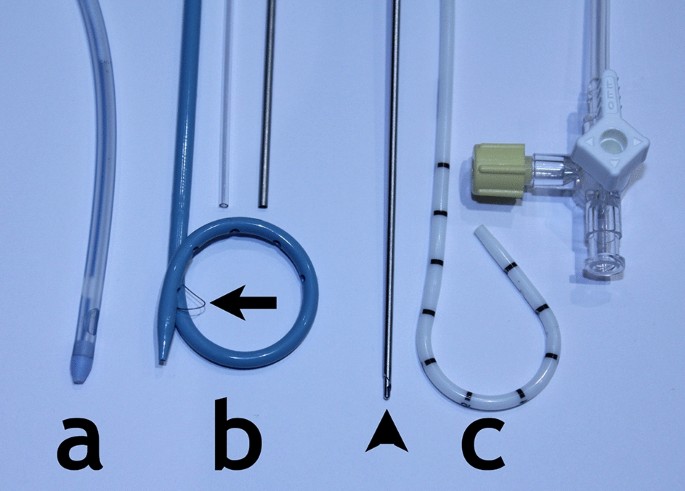

The understanding of the basic properties of medical devices by the operators using them is often poor.
Equally industry standards for devices are underdeveloped and not uniformly applied across the manufacturing industry. As a consequence the performance of devices seemingly manufactured to the same standard may vary significantly and choosing the best device for the job has a direct effect on the outcome of minimally invasive procedures.
Minnova Medical Foundation CIC is a not-for-profit company specialising in research and teaching around medical devices and aiming to improve their understanding and their further development.
In this article we illustrate how the historical way of sizing drainage tubes is misleading in terms of their performance. The measurement relating to catheter size relates to their out diameter in 1/3rd of a millimeter, but the actual functional lumen is dependent on the wall thickness of the tube. Lumen size and resultant flow rate vary dramatically.
Descriptors of tube performance should be included in the product description and on the product labels in order to allow physicians to choose the best device for their patient.

Consultant Interventional Radiologist with over 25 years' experience in minimally invasive procedures and upper GI endoscopy.
Clinical Director of a medical foundation supporting and delivering teaching, training and research around medical devices across radiology, endoscopy and surgery.
Follow the Topic
-
Scientific Reports
An open access journal publishing original research from across all areas of the natural sciences, psychology, medicine and engineering.

Related Collections
With Collections, you can get published faster and increase your visibility.
Cancer Prevention and Control
Publishing Model: Hybrid
Deadline: Feb 19, 2027
Healthy Aging
Publishing Model: Open Access
Deadline: Dec 31, 2026