A Vision for Progress in Young-Onset Metastatic Colorectal Cancer
Published in Social Sciences, Cancer, and General & Internal Medicine
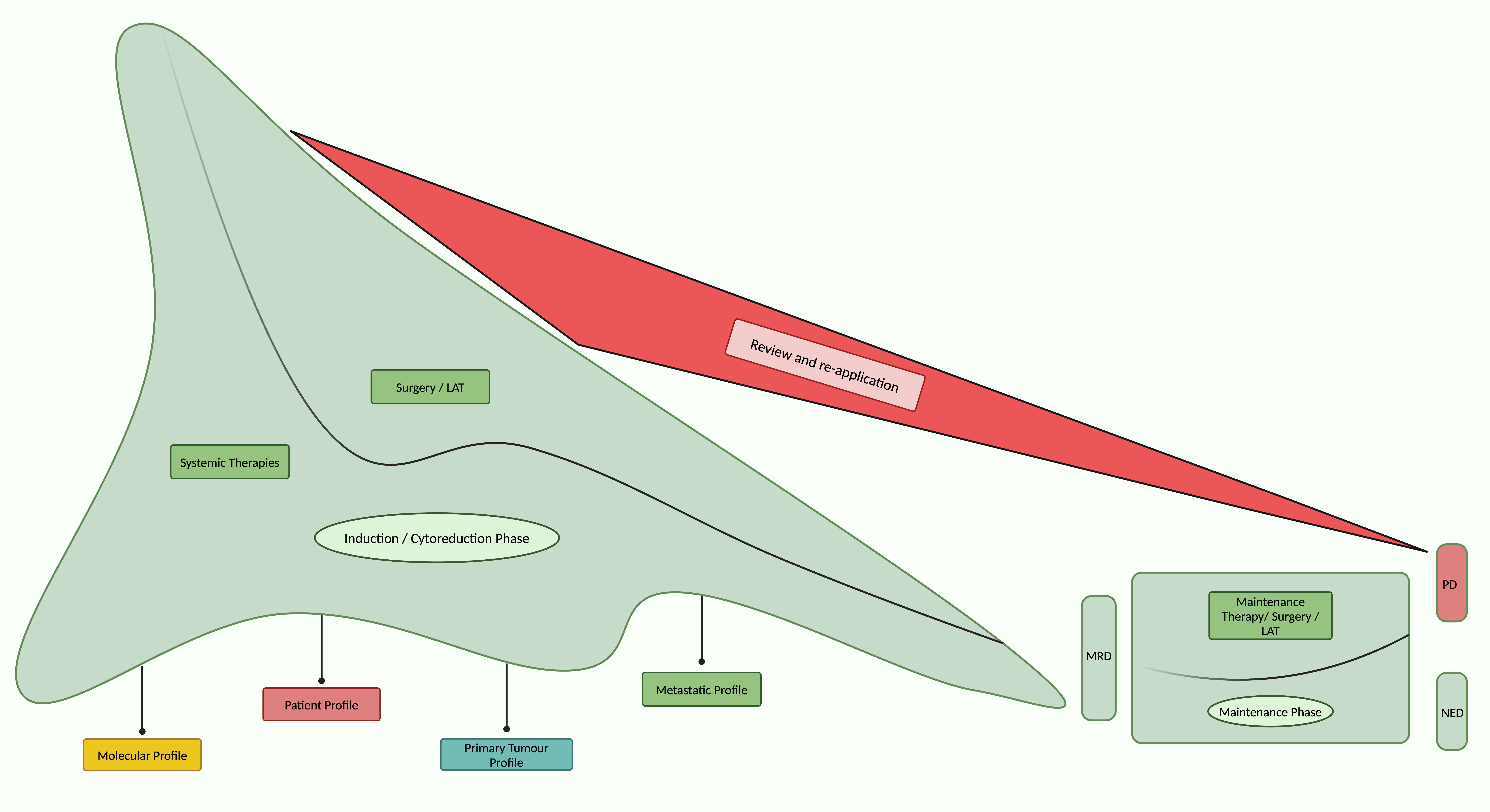




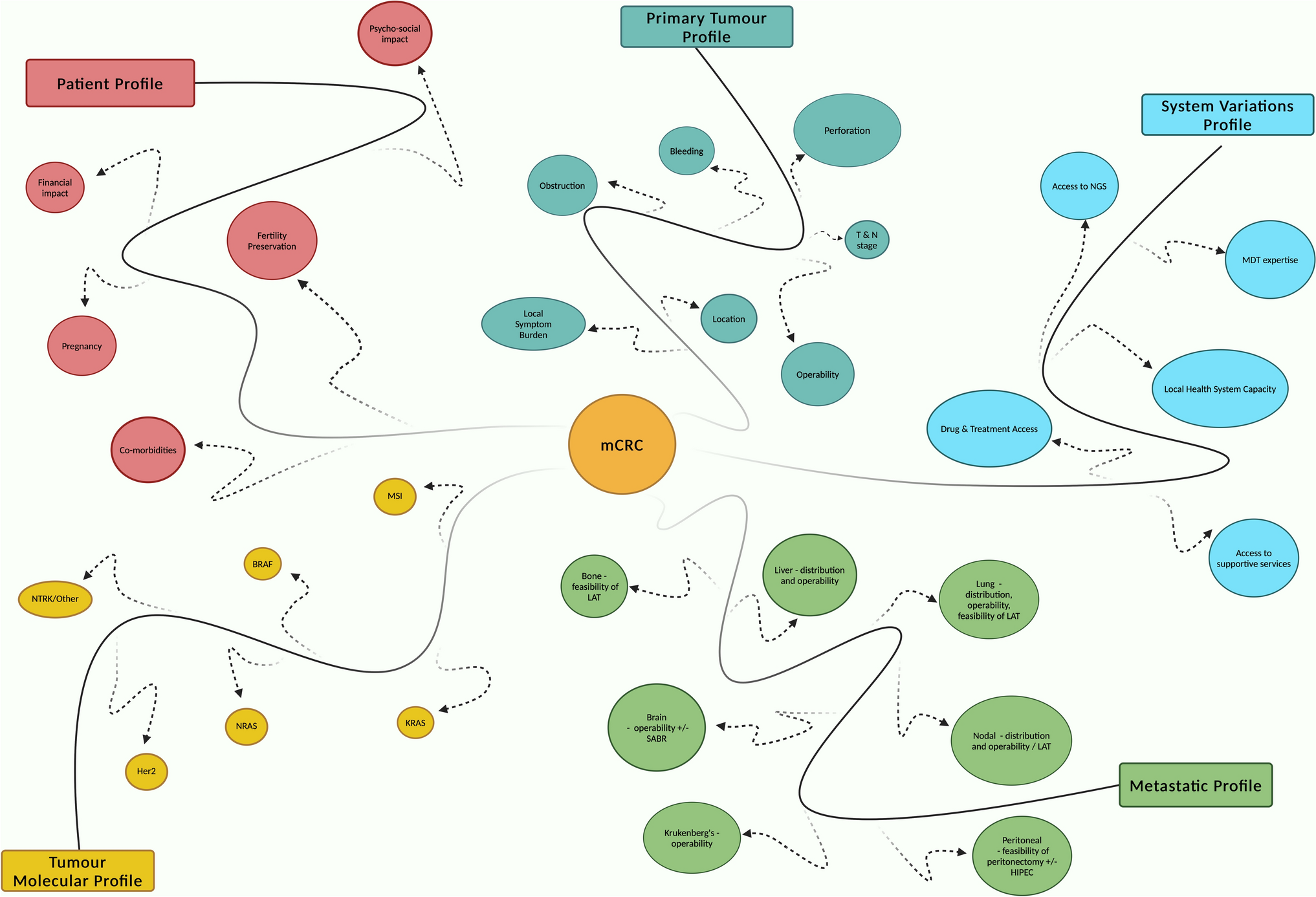

The Spark of an Idea
This paper was born from both professional observations and deeply personal experiences. Young-onset metastatic colorectal cancer (yo-CRC) is not just an abstract concept in academic literature - it is a lived reality for many patients, their families, and the oncology community striving for better outcomes. One of the pivotal inspirations behind this work was the advocacy and insight of Nicole Cooper, whose personal journey with yo-CRC shaped the very foundation of this manuscript. Nicole was not only a patient but a fierce advocate, determined to transform how the disease is perceived and managed.
Prasad’s approach to cancer care and Nicole’s professional background as a management consultant, combined with her lived experiences, created a unique synergy - one that shaped this paper into a reflective yet aspirational call to action. The manuscript is as much about science as it is about vision: a vision of progress, collaboration, and most importantly, hope.
A Growing Concern, A Call for Change
Colorectal cancer in younger adults has been rising at an alarming rate, and Australia, in particular, is at the forefront of this trend. Despite advancements in cancer treatment, yo-CRC patients often face delayed diagnoses, inconsistent treatment pathways, and a lack of structured data to drive progress. We recognised a critical gap - one that called for a reimagined care model, integrating radical intent, adaptive treatment strategies, and a data-driven approach to decision-making.
This paper is not just about identifying the problem; it is about presenting a tangible pathway for change. By bridging scientific evidence with real-world challenges, we hope to drive momentum toward more personalised, proactive, and integrated care for this growing patient population.
The Challenges Along the Way
Writing this paper was both a scientific and emotional journey. Balancing the need for rigorous evidence with a compelling call to action was no small feat. One of the biggest challenges was distilling complex, evolving treatment paradigms into a framework that is both practical and aspirational. Another was advocating for systemic change - knowing that establishing a national registry, such as the proposed Registry of Incidence, Intervention, and Outcomes (RIIO), is a bold but necessary step that requires significant collaboration and commitment from multiple stakeholders.
At its core, this paper is about breaking silos—between disciplines, between researchers and clinicians, and between the medical community and patients themselves. We recognize that meaningful change is only possible when these voices come together with a shared purpose.
A Tribute and a Commitment
Nicole’s voice resonates throughout this paper. Her words - “the potential and the opportunity for my life” - served as a guiding force in shaping a vision that extends beyond survival statistics to a patient-centric model, patient engagement, and hope.
Her legacy lives on, not only through this manuscript but through the impact she made on the cancer community. Nicole’s posthumous recognition with the Order of Australia Medal (OAM) underscores the depth of her influence - not just as an individual but as a catalyst for change in how yo-CRC is approached. This work is, in many ways, a tribute to her unwavering determination to reframe what is possible for young people facing metastatic colorectal cancer.
What’s Next?
This paper is not the end of the conversation - it is the beginning. We hope this paper serves as a catalyst for meaningful change - sparking dialogue, research, and policy initiatives that drive real progress for young-onset metastatic colorectal cancer patients.
We envision a future where personalised, adaptive, and radically proactive treatment pathways become the standard of care. Where no patient feels lost in the system. Where data is used not just for retrospective analysis but for real-time decision-making that improves lives.
The opportunity for progress is here. The time to act is now.

Follow the Topic
-
Medical Oncology
Medical Oncology is a forum to communicate the results of clinical and preclinical experimental research in oncology and hematology. It is also a forum for state-of-the-art reviews in oncology and hematology.

Related Collections
With Collections, you can get published faster and increase your visibility.
Unequal Burden: Race, Biology, and Access in Cancer Outcomes
This collection examines the persistent and multifaceted disparities in cancer across racial groups, structured around three interconnected themes:
1- Differential Cancer Burden by Race
Cancer incidence, mortality, and specific tumor subtypes vary significantly across racial and ethnic populations. This section will feature contributions quantifying these gaps and exploring contributing factors such as differential carcinogen exposure, comorbidities, and environmentally induced stress.
2 - Race-Informed Treatment Strategy and Tumor Biology
This theme explores whether, and how, ancestry-linked genetic and molecular differences in tumor biology should inform treatment selection. Topics could include differences in pharmacogenomics (e.g., drug metabolism variance across populations), tumor subtype prevalence tied to ancestry (such as differences in hormone-receptor status in breast cancer), and the evolving role of precision oncology in tailoring regimens where biological differances, not merely social, may drive divergent treatment response.
3 - Access to Care, Social Determinants, and Outcomes
The collection will address how structural barriers, insurance coverage, geographic access to specialty care, screening uptake, and financial toxicity, intersect with race to produce outcome disparities independent of biology. This includes later-stage diagnoses linked to reduced screening access and disparities in standard of care provided aligning with accepted practice.
Scope Note
Submissions should distinguish, where possible, disparities driven by social determinants of health from those with a plausible biological/genetic basis, and are encouraged to propose solutions-oriented research (screening interventions, care-delivery models, financial toxicity mitigation) alongside descriptive/epidemiological studies.
Publishing Model: Hybrid
Deadline: Jun 30, 2027