Behind the paper: Global meta-analysis of banana grown under high density, natural and artificial shade
Published in Agricultural & Food Science
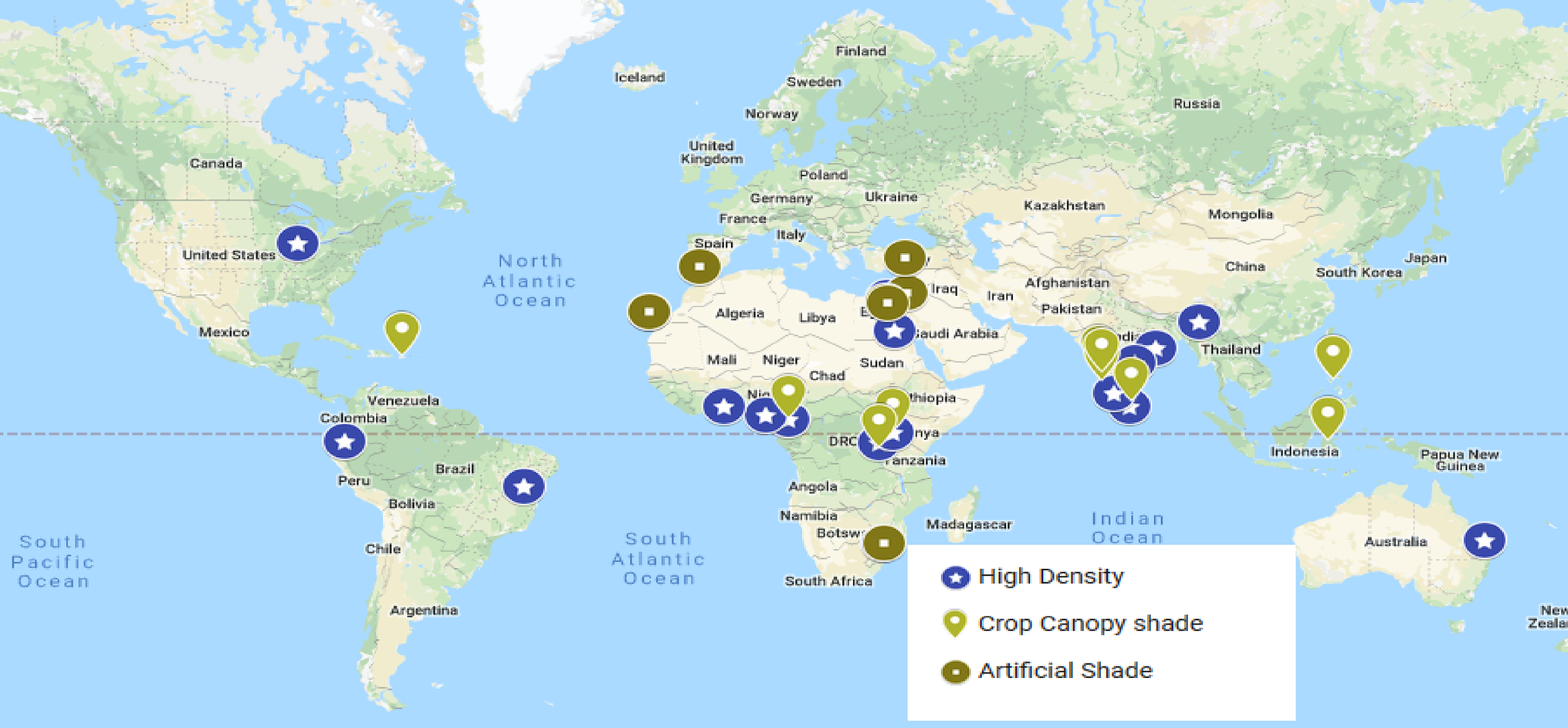

The paper answers four major research questions on banana cultivation using a literature review of research reports across the Globe followed by a meta-analysis approach.
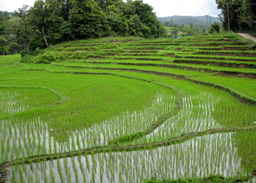
1. At what spacing, banana needs to be planted for high fruit yield while grown as a sole-crop in open field ?
The planting density was found to be both ecologically and economically beneficial, between 1000 and 3500 plants per hectare depending on variety, soil moisture and nutrient levels. High planting density generally significantly delayed banana flowering
2. Whether the days to flowering, number of leaves produced and fruit yield of banana are higher while is grown under artificial shade/protected cultivation over open field differs ?
Banana plants produce more leaves and flower nearly 2 months earlier in greenhouse than open field conditions. Yield of banana increases at artificial shade but decreases as the light intensity decreases beyond a significant level.
3. Whether the yield of banana grown as intercrop in agoforestry system is comparable to that of grown as sole-crop ?
Nearly 80 to 97 % yield decrease in banana observed while grown in agroforestry over open field.
4. Despite low fruit yield what economic criteria offers advantage to banana grown in agroforestry system ?
In 10 cases, more than 20% of the economic benefit obtained from banana as intercrop.

A passionate researcher with 29 years of research experience in plant science with keen interest in conservation, cropping systems, and explores plant germplasm for genetic improvement using genomics, bioinformatics, biometrics, and analytical chemistry . Collected and conserved 74 plant germplasm accessions in National Gene bank Developed a software to convert random primers to precise DNA markers, one improved arecanut variety, a seed specific promoter for legume transgenics, Served as part of the team developed two coconut genetic stocks, three improved coconut coconut varieties, three kokum varieties. Recognized research supervisor in five Universities and mentored postgraduate students.
Follow the Topic
-
Proceedings of the Indian National Science Academy
This is a peer-reviewed journal, publishing original research and reviews across various scientific disciplines. The journal covers a broad range of scientific fields including physics, chemical sciences, earth & planetary sciences, and more.