Beyond the Tooth: How Dental Stem Cells Might Help Heal the Body
Published in Bioengineering & Biotechnology, Cell & Molecular Biology, and Anatomy & Physiology

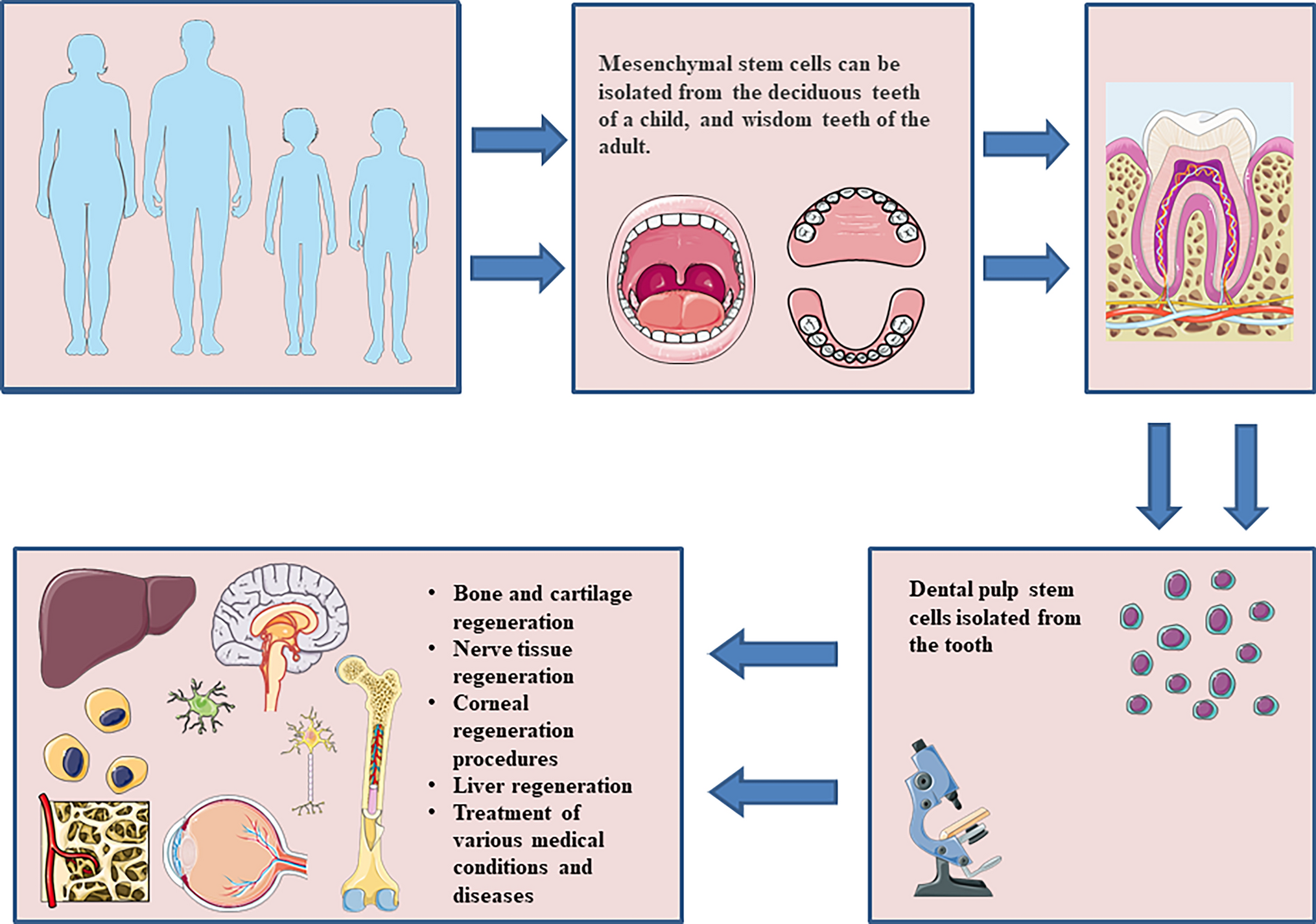

A New Frontier in Dentistry and Regenerative Healthcare
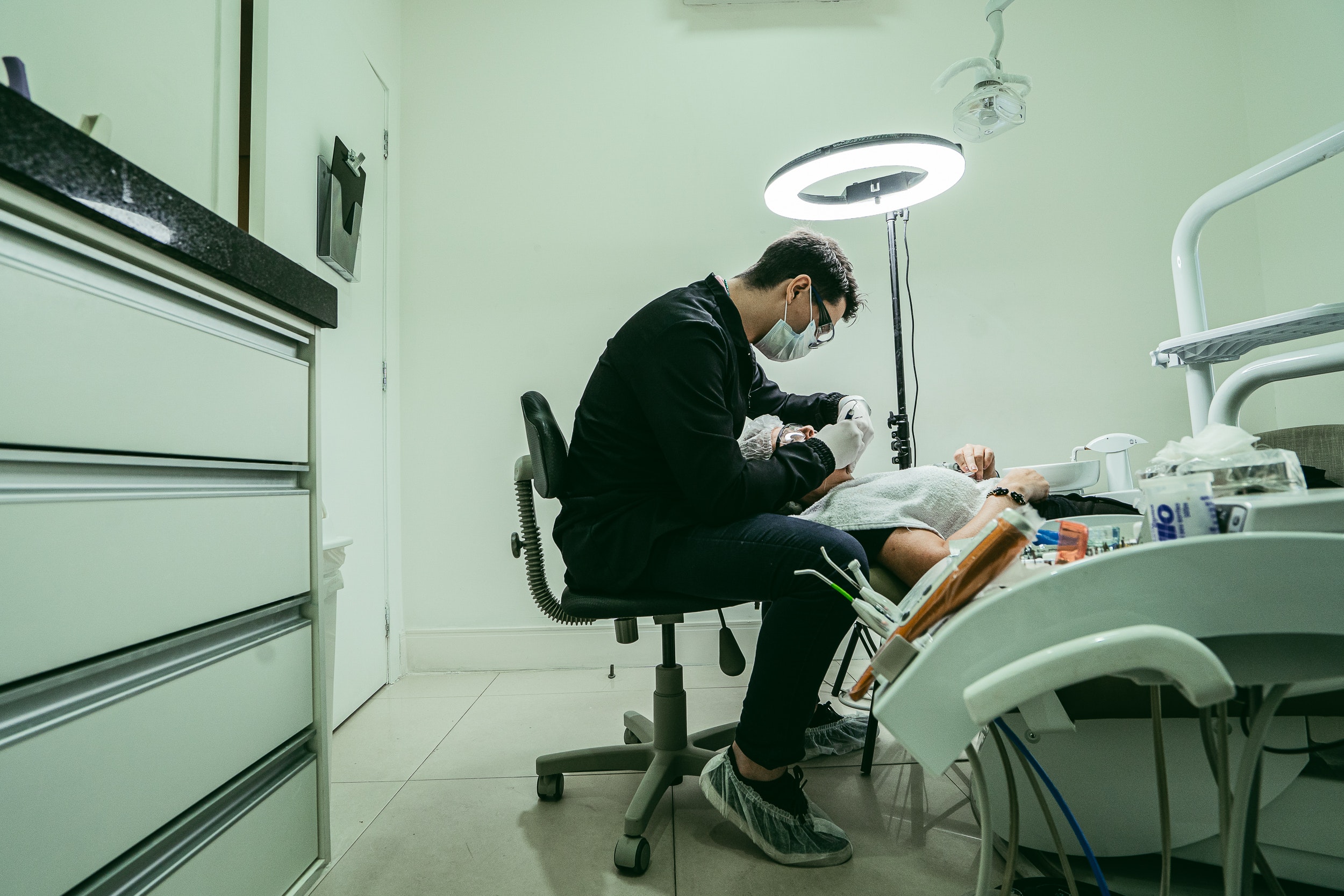
Most individuals will only think of fillings, tooth extractions, or dental cleanings when they hear the word dentistry. In reality, modern dentistry also includes advanced procedures such as sinus lifts, zygomatic implants and guided bone regeneration. Teeth, especially those removed during routine dental procedures or naturally exfoliated in childhood, were traditionally seen as biological waste. However, growing evidence shows that dental pulp contains a rich source of multipotent stem cells that can differentiate into various cell types such as bone, nerve, cartilage, and fat cells.
This opens a new alternatives where dentistry intersects with regenerative medicine. Dental visits, once focused solely on oral hygiene and repair, could in the future be reimagined as early entry points for broader health interventions. The relationship between dentist and patient may increasingly involve conversations about long-term health, tissue regeneration, and even participation in biobanking.
What the Evidence Shows?
In compiling this review, we analyzed a range of studies that demonstrate the diverse regenerative potential of dental pulp stem cells (DPSCs). For example, these stem cells have shown promise in supporting axonal regeneration and forming synaptic-like connections when co-cultured with neurons, suggesting a future role in treating nerve repair or neurodegenerative conditions.
Their effects on cartilage repair have also been tested across animal models such as mice, rabbits, and miniature pigs. While complete restoration of healthy cartilage remains a challenge, the outcomes indicate that DPSCs may serve as a viable component of future orthopedic therapies.
Some of the most surprising studies suggest roles for dental stem cells in treating conditions seemingly far removed from dentistry. In one investigation, conditioned medium derived from exfoliated deciduous teeth was used to successfully repair vascular damage in patients with erectile dysfunction by regenerating damaged endothelial cells. Another groundbreaking study, a double-blind, placebo-controlled human clinical trial, demonstrated that DPSCs administered intravenously showed potential benefits for patients recovering from ischemic stroke.
These early findings point to a future where stem cells collected during everyday dental procedures could serve as personalized resources for repairing damaged tissues throughout the body.
Addressing the Challenges
Despite the optimism, several critical challenges remain. The biological behavior of stem cells once transplanted into the body is not entirely predictable. Concerns around immune responses, tumor formation, and genetic stability must be fully resolved before such therapies can be considered safe for widespread use. Negative outcomes of various studies should be published as well, as it can help us to better understand and come closer to safe application of these therapies.
The variability in how these cells are isolated, processed, and stored also affects their quality and potential effectiveness. The lack of standardized procedures across institutions complicates efforts to compare results or build uniform protocols for clinical application.
Moreover, the broader ecosystem of stem cell research involves a range of stakeholders, from academic researchers and biotech companies to policy makers and patients. Each party brings its own goals and expectations, which may not always align. Ensuring ethical standards, protecting biological materials, and defining responsibilities across the research and healthcare landscape will be key for responsible progress.
Past cases have also shown the risks of prematurely commercialized stem cell therapies. In one reported incident, patients suffered severe complications, including loss of vision after receiving unproven stem cell injections derived from adipose tissue for macular degeneration. Such outcomes underscore the need for caution and strict regulation.
Final Thoughts
What makes dental pulp stem cells particularly exciting is their accessibility and the ethical feasibility of collecting them during standard dental care. They may not solve every problem, but they offer a real and realistic path toward new regenerative therapies, ones that are less invasive, more affordable, and potentially easier to integrate into existing healthcare systems. As one of the most rapidly evolving areas of biomedical research, stem cell therapy, particularly through sources like dental pulp, offers a compelling look at the future of personalized medicine. Continued research, ethical transparency, and interdisciplinary cooperation will be essential in realizing this potential.
References:
- Pagella, P., Miran, S., Neto, E., Martin, I., Lamghari, M., & Mitsiadis, T. A. (2020). Human dental pulp stem cells exhibit enhanced properties in comparison to human bone marrow stem cells on neurites outgrowth. The FASEB Journal, 34(4), 5499–5511. https://doi.org/10.1096/fj.201902482r
- Fernandes, T. L., Cortez de SantAnna, J. P., Frisene, I., Gazarini, J. P., Gomes Pinheiro, C. C., Gomoll, A. H., Lattermann, C., Hernandez, A. J., & Franco Bueno, D. (2020). Systematic Review of Human Dental Pulp Stem Cells for Cartilage Regeneration. Tissue engineering. Part B, Reviews, 26(1), 1–12.
- Koga, S., & Horiguchi, Y. (2022). Efficacy of a cultured conditioned medium of exfoliated deciduous dental pulp stem cells in erectile dysfunction patients. Journal of cellular and molecular medicine, 26(1), 195–201. https://doi.org/10.1111/jcmm.17072
- Suda, S., Nito, C., Ihara, M., Iguchi, Y., Urabe, T., Matsumaru, Y., Sakai, N., Kimura, K., & J- REPAIR trial group (2022). Randomised placebo-controlled multicentre trial to evaluate the efficacy and safety of JTR-161, allogeneic human dental pulp stem cells, in patients with Acute Ischaemic stRoke (J-REPAIR). BMJ open, 12(5), e054269. https://doi.org/10.1136/bmjopen-2021-054269
- Bianco, J., De Berdt, P., Deumens, R., & des Rieux, A. (2016). Taking a bite out of spinal cord injury: Do dental stem cells have the teeth for it? Cellular and Molecular Life Sciences, 73(7), 1413–1437. https://doi.org/10.1007/s00018-015-2126-5
- Afshar, L., Aghayan, H.-R., Sadighi, J., Arjmand, B., Hashemi, S.-M., Basiri, M., Samani, R. O., Ashtiani, M. K., Azin, S.-A., Hajizadeh-Saffar, E., Gooshki, E. S., Hamidieh, A.-A., Rezania Moallem, M.-R., Azin, S.-M., Shariatinasab, S., Soleymani-Goloujeh, M., & Baharvand, H. (2020). Ethics of research on stem cells and regenerative medicine: Ethical guidelines in the Islamic Republic of Iran. Stem Cell Research & Therapy, 11(1), 396. https://doi.org/10.1186/s13287-020-01916-z
- Hermerén, G. (2021). The Ethics of Regenerative Medicine. Biologia Futura, 72(2), 113–118. https://doi.org/10.1007/s42977-021-00075-3
- Kuriyan, A. E., Albini, T. A., Townsend, J. H., Rodriguez, M., Pandya, H. K., Leonard, R. E., Parrott, M. B., Rosenfeld, P. J., Flynn, H. W., & Goldberg, J. L. (2017). Vision loss after Intravitreal injection of autologous “Stem cells” for AMD. New England Journal of Medicine, 376(11), 1047–1053. https://doi.org/10.1056/nejmoa1609583

Practicing dentist with experience in providing comprehensive oral healthcare to patients of all ages. Based in private practice, I like to combine clinical expertise with a commitment to improving public oral health outcomes through evidence-based care, community engagement, and international collaboration.
Follow the Topic
-
Discover Medicine
This is a fully open access, peer-reviewed journal that supports multidisciplinary research and policy developments across the fields of medical and clinical science.

Related Collections
With Collections, you can get published faster and increase your visibility.
Gut Microbiome and Human Well Being
The human gut microbiome plays a critical role in maintaining health and modulating disease processes. Its composition evolves across the lifespan under the influence of diet, lifestyle, aging, and environmental exposures. Disruption of gut microbial balance—known as dysbiosis—has been implicated in the pathogenesis of various chronic conditions, including autoimmune, metabolic, neurological, and inflammatory diseases.
This Collection welcomes submissions that explore the mechanistic, clinical, and translational aspects of gut microbiota in human health, with particular interest in:
The gut–brain, gut–heart, gut–cancer, and gut–joint axes
Gut dysbiosis and its immunological and metabolic consequences
Microbial metabolites and host-microbiome interactions
Microbiome-based diagnostics, therapeutic interventions, and biomarkers
We invite contributions including but not limited to:
Original research articles based on clinical, in vivo or in vitro studies
Reviews summarizing recent advances or proposing new frameworks
Perspective or opinion pieces that highlight emerging concepts or challenges
This Collection aims to enhance our understanding of the gut microbiome's contribution to health and disease and to inspire microbiome-based strategies for improving human well-being.
Keywords: Gut microbiome; Gut-organ-axis; chronic diseases; 16S rRNA; metagenomics
Publishing Model: Open Access
Deadline: Dec 31, 2026
Advances in Cardiovascular Diagnostics, Interventional Therapies, and Arrhythmia Management
Cardiovascular diseases remain a major global health challenge worldwide, continuing to be a leading cause of morbidity and mortality despite substantial advances in prevention and treatment. In recent years, progress in cardiovascular diagnostics, interventional techniques, and arrhythmia management has significantly improved patient care; however, important challenges persist, including timely diagnosis, individualized risk stratification, optimization of interventional strategies, and long-term outcome improvement. These unmet needs highlight the necessity for continued innovation and multidisciplinary research efforts in cardiovascular medicine.
This Collection aims to highlight recent advances in cardiovascular diagnostics, interventional therapies, and arrhythmia management, with a focus on clinically relevant and translational research. We welcome submissions addressing interventional cardiology procedures, catheter ablation techniques, three-dimensional electroanatomical mapping, mechanisms of cardiac arrhythmias, cardiovascular imaging, acute coronary syndromes, and hypertension. Contributions that enhance understanding of disease mechanisms, improve procedural outcomes, or inform clinical decision-making are particularly encouraged.
By bringing together high-quality experimental, clinical, and translational studies, this Collection seeks to advance scientific knowledge, support the development of improved therapeutic strategies, and foster global collaboration in the field of cardiovascular medicine.
Keywords:
Cardiology; Arrhythmia; Ablation; 3D mapping; Interventional cardiology; Hypertension; Acute coronary syndrome; Cardiovascular imaging; COVID-19
Publishing Model: Open Access
Deadline: Oct 12, 2026