Call for papers: Agent-based simulation Collection
Published in Electrical & Electronic Engineering

Explore the Research
 Nature
Agent-based simulation
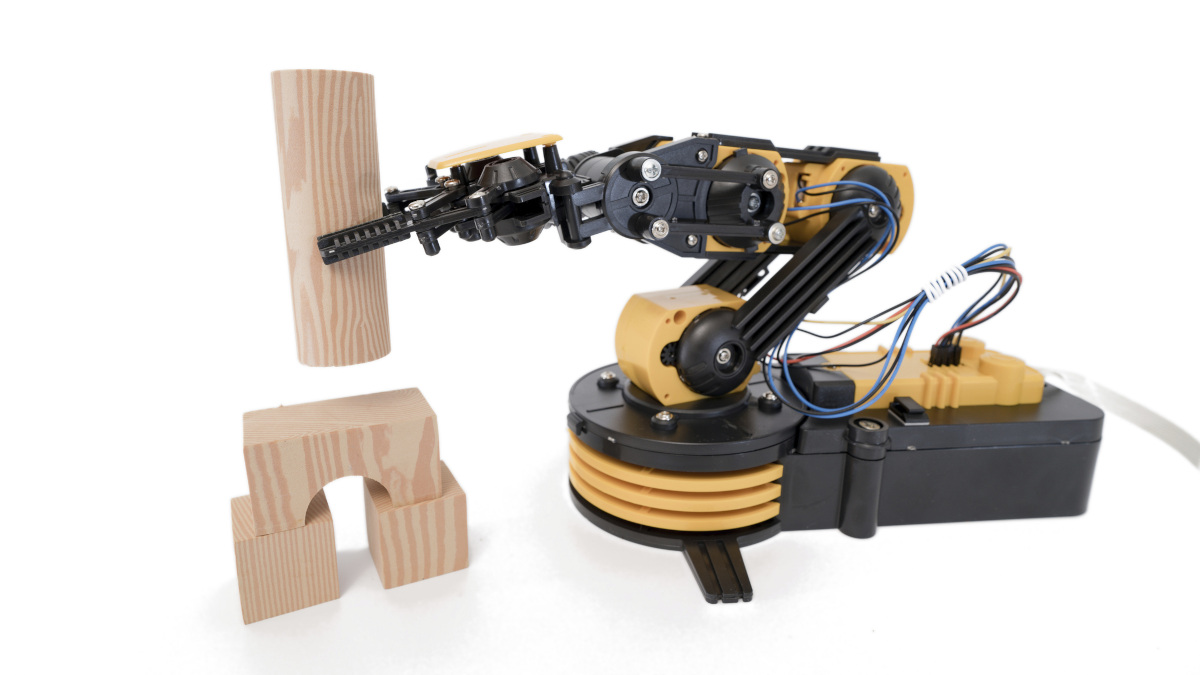
This Collection welcomes original research that utilises physical systems to enhance the adaptability and generalisability of intelligent agents.
Collection Overview
Scientific Reports has launched a Guest-Edited Collection on Agent-based simulation.
Reinforcement learning (RL) has recently emerged as a core methodology for modelling and analysing complex adaptive systems. Ensuring that learning agents behave safely, robustly, and transparently is essential for guiding real-world decision-making.
This will be a Collection of original research papers and will be open for submissions from all authors – on the condition that the manuscripts fall within the scope of the Collection and of Scientific Reports more generally. We are welcoming submissions until 26th August 2026.
Why is this Collection important?
"Agent-based simulation has become an essential paradigm for understanding complex adaptive systems, particularly as learning agents increasingly interact with dynamic real-world environments. By combining reinforcement learning with agent-based modelling, researchers can investigate emergent behavior, robustness, and safety in multi-agent settings. This Collection is exciting because it brings together advances in simulation methodologies that support transparent, explainable, and reliable decision-making. The impact of this Collection lies in bridging theoretical advances with practical applications across engineering, economics, and social systems. Researchers should contribute to this collection to share innovative simulation frameworks and insights that advance trustworthy AI and complex systems analysis."
- Dr. Jobish Vallikavungal Devassia, Guest Editor
Why submit to a collection?
Collections like this one help promote high-quality science. They are led by Guest Editors, who are experts in their fields, and In-House Editors and are supported by a dedicated team of Commissioning Editors and Managing Editors at Springer Nature. Collection manuscripts typically see higher citations, downloads, and Altmetric scores and provide a one-stop-shop on a cutting-edge topic of interest.
Who is involved?
Guest Editors:
- Ali Barenji, New Mexico Institute of Mining and Technology, USA
- Jobish Vallikavungal Devassia, Tecnológico de Monterrey, Mexico
- Xinyu Wang, Yanshan University, China
Internal Team:
- In-House Editor: Lingyi Xu, Scientific Reports, USA
- Commissioning Editor: Louisa Beckett, Fully OA Brands, Springer Nature, UK
- Managing Editor: Aliya Anwar, Fully OA Brands, Springer Nature, UK
How can I submit my paper?
Visit the Collection page for more information on the Collection, and how to submit your article.
Follow the Topic
-
Scientific Reports
An open access journal publishing original research from across all areas of the natural sciences, psychology, medicine and engineering.
-
A Collection of original research articles that utilise physical systems to enhance the adaptability and generalisability of intelligent agents.

Related Collections
With Collections, you can get published faster and increase your visibility.
Cancer Prevention and Control
Publishing Model: Hybrid
Deadline: Feb 19, 2027
Healthy Aging
Publishing Model: Open Access
Deadline: Dec 31, 2026