What is this collection about?
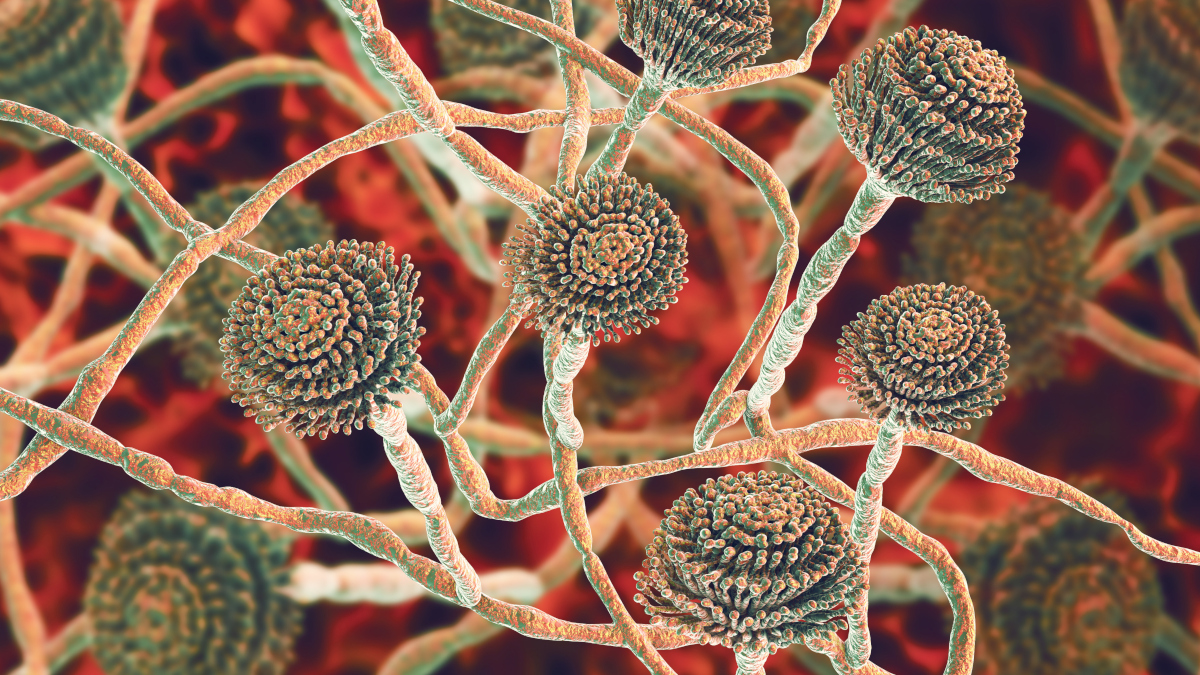
Fungal diseases cause substantial morbidity and mortality across a wide range of patient populations. The burden of fungal infections is increasing due to factors such as expanding populations of immunocompromised individuals, emergence of antifungal-resistant pathogens, and geographic expansion due to environmental changes. Fungal diseases can range from common superficial infections to life-threatening invasive mycoses, with major impacts on patient outcomes.
Despite advances in medical mycology, many challenges remain in the prevention, diagnosis, and treatment of fungal diseases. Diagnostic delays are common, therapeutic options remain limited for many infections, and the emergence of antifungal resistance threatens the effectiveness of existing treatments. At the same time, advances in genomics, immunology, epidemiology, and drug development are providing new opportunities to improve our understanding of fungal pathogens and their interactions with human hosts.
We therefore invite researchers to contribute translational, clinical, and epidemiological studies on fungal diseases, including but not limited to:
- Mechanisms of antifungal resistance
- Advances in diagnostic technologies
- Therapeutic strategies for mycoses
- Epidemiology of fungal infections
- Fungal pathogens in immunocompromised populations
- Novel antifungal agents and therapies
- Host-fungal interactions
This Collection aims to advance our understanding of the diagnosis, clinical management, and epidemiology of fungal diseases, ultimately supporting improved prevention strategies and patient outcomes. We welcome the submission of all papers relevant to fungal diseases, including original research articles, Reviews and Perspectives.
Why is this collection important?
Fungal diseases are an increasingly important global health challenge. Rising numbers of immunocompromised patients, the spread of antifungal resistance, and changing environmental conditions are driving an increased burden of fungal infections worldwide.
At the same time, major advances in diagnostics, genomics, immunology, and drug development are creating new opportunities to improve prevention, diagnosis, and treatment. This Collection aims to bring together cutting-edge research that can advance patient care and strengthen our response to both existing and emerging fungal threats.
This Collection also supports the United Nations Sustainable Development Goal 3 (Good Health and Well-being) by advancing research that contributes to better health outcomes and more effective management of fungal diseases.
Why submit to a collection?
Collections like this one help promote high-quality science. They are led by Guest Editors and In-House Editors who are experts in their fields and supported by a dedicated team of Commissioning Editors and Managing Editors at Springer Nature. Collection manuscripts typically see higher citations, downloads, and Altmetric scores, and provide a one-stop-shop on a cutting-edge topic of interest.
Who is involved?
Communications Medicine is edited by both in-house professional editors and Editorial Board Members.
How can I submit my paper?
Visit the Collection page to find out more about this collection and submit your article.

Follow the Topic
-
Communications Medicine
A selective open access journal from Nature Portfolio publishing high-quality research, reviews and commentary across all clinical, translational, and public health research fields.

📢 Introducing: # Mental Health
Mental Health is a Topic created to increase visibility and impact of research in this area and facilitate exchange amongst researchers.
Continue reading announcementRelated Collections
With Collections, you can get published faster and increase your visibility.
Diagnosis and Care of Sepsis
Publishing Model: Open Access
Deadline: Oct 27, 2026
Healthy Aging
Publishing Model: Open Access
Deadline: Dec 31, 2026