Call for papers: Initially Anode-less and Anode-free Batteries
Published in Materials and Sustainability


What is this collection about?
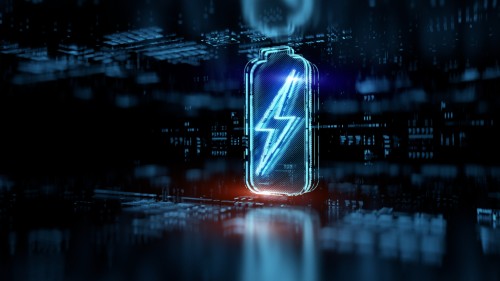
Initially anode-free and anode-less batteries show great potential to increase specific energy and eliminate manufacturing complexities for next generation energy storage devices. However, similar to their metallic negative electrode counterparts, they are often plagued by parasitic reactions at the interface, mediocre coulombic efficiencies, and dendrite formation. These challenges can have significant implications for battery stability and overall performance.
This Collection highlights research on critical topics including current collector design, interfacial chemistry, electrolyte engineering with the aim of addressing the demanding conditions associated with initially anode-less (N/P < 1) and anode-free (N/P = 0) batteries.
Why is this collection important?
This Collection supports and amplifies research related to SDG 7 (Affordable and Clean Energy), SDG 9 (Industry, Innovation and Infrastructure), SDG 11 (Sustainable Cities and Communities), and SDG 13 (Climate Action). Research in this area has the potential to advance the development of more efficient and sustainable energy storage systems.
Why submit to a collection?
Collections like this one help promote high-quality science. They are led by In-House Editors who are experts in their fields and supported by a dedicated team of Commissioning Editors and Managing Editors at Springer Nature. Collection manuscripts typically see higher citations, downloads, and Altmetric scores, and provide a one-stop-shop on a cutting-edge topic of interest.
Who is involved?
Nature Communications is edited by in-house professional editors.
Communications Chemistry is edited by both in-house professional editors and Editorial Board Members.
Communications Materials is edited by both in-house professional editors and Editorial Board Members.
Communications Sustainability is edited by both in-house professional editors and Editorial Board Members.
Scientific Reports is managed by in-house professional editors and edited by Editorial Board Members.
Our editors work closely together to ensure the quality of our published papers and consistency in author experience.
How can I submit my paper?
Visit the Collection page to find out more about this collection and submit your article.
Follow the Topic
-
Nature Communications
An open access, multidisciplinary journal dedicated to publishing high-quality research in all areas of the biological, health, physical, chemical and Earth sciences.
-
Scientific Reports
An open access journal publishing original research from across all areas of the natural sciences, psychology, medicine and engineering.
-
Communications Chemistry
An open access journal from Nature Portfolio publishing high-quality research, reviews and commentary in all areas of the chemical sciences.
-
Communications Materials
A selective open access journal from Nature Portfolio publishing high-quality research, reviews and commentary in all areas of materials science.
-
Communications Sustainability
An open-access journal publishing high-quality, editorially selected and peer-reviewed advances in all sustainability-related areas of science, including the natural and social sciences as well as engineering.

Related Collections
With Collections, you can get published faster and increase your visibility.
Phytochemicals and health
Publishing Model: Open Access
Deadline: Oct 28, 2026
Soil microbiomes and carbon sequestration under global change
Publishing Model: Hybrid
Deadline: Mar 18, 2027