Celebrating DNA Day: A Q&A with the Editors-in-Chief of Mobile DNA
Published in Genetics & Genomics
Discovered by Barbara McClintock in the 1950's, transposable elements (TEs), also known as mobile genetic elements (MGEs), are DNA sequences that can translocate within a genome. They are found across all domains and kingdoms of life and span many scientific disciplines. Mobile DNA is an open access journal that publishes articles providing novel insights into the function, biological impact, and evolution of transposable elements in any organism.
 Discovered by Barbara McClintock in the 1950's, transposable elements (TEs), also known as mobile genetic elements (MGEs), are DNA sequences that can translocate within a genome. They are found across all domains and kingdoms of life and
 To celebrate DNA Day, the Editors-in-Chief of Mobile DNA, Dr Pascale Lesage, Dr Irina Arkhipova, and Dr Gael Cristofari, have partaken in a Q&A about their research, the journal, how TE research is intertwined with DNA Day, as well as sharing advice on submitting to the journal.
To begin, could you each introduce yourselves, describe your research focus, and share what initially drew you to the study of mobile genetic elements?
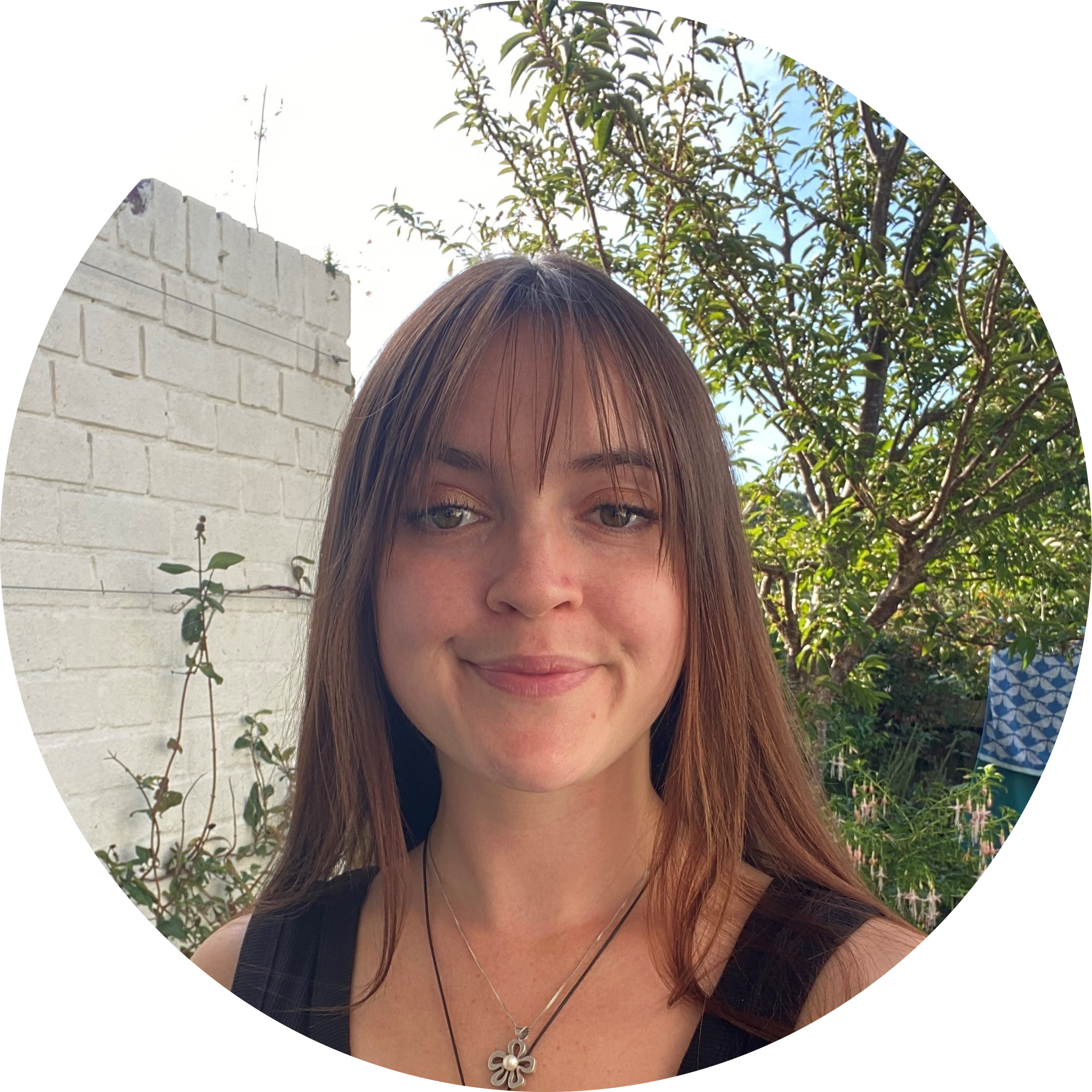
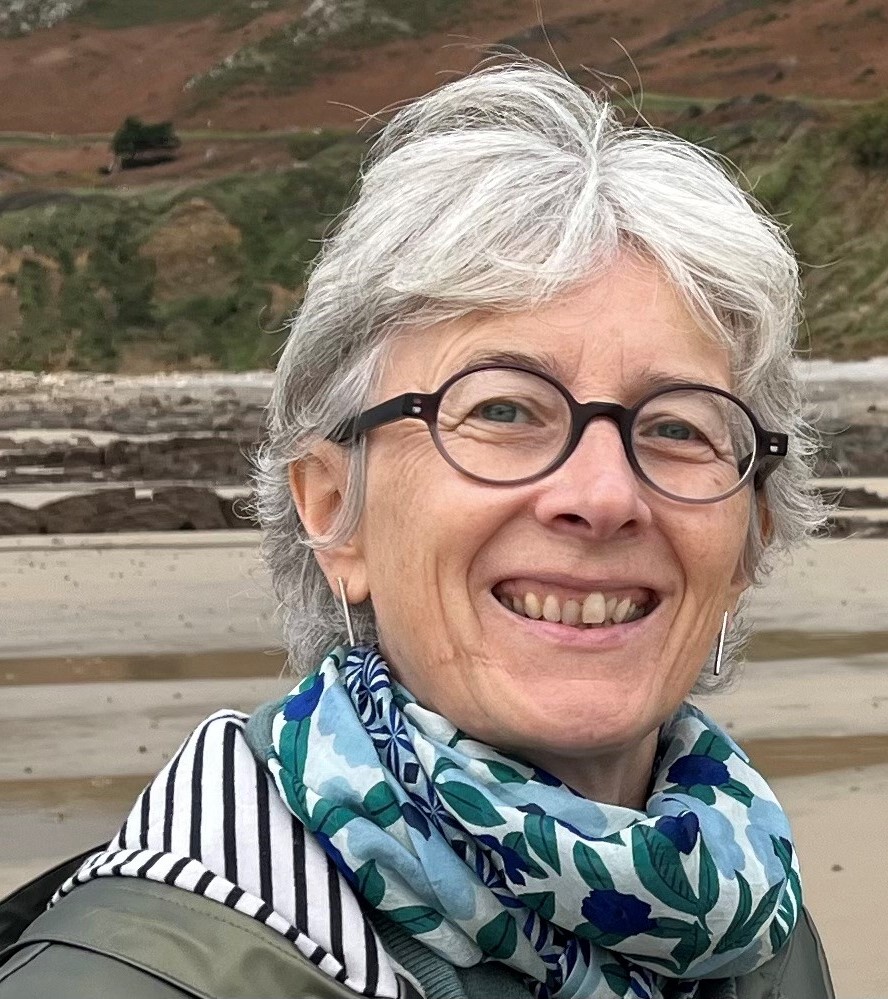
Dr Pascale Lesage: Very early on in my academic career, I was fascinated by the dynamic complexity of biology—how cellular processes are shaped by parameters that fluctuate over time and space. This interest led me to focus on the molecular mechanisms regulating gene expression, a theme that has defined my research ever since. I first encountered Transposable Elements during a Cold Spring Harbor course on yeast genetics, where a lecture by Jef Boeke sparked my curiosity. During my postdoc, where I explored yeast genetics, I discovered the impact of TEs on the genome, particularly through transcription mutants (spt) that suppressed Ty integration effects on adjacent gene expression. Back to France, I launched a project on the Ty1 LTR retrotransposon, drawn not only by its intricate relationship with the host but also by its similarities to the HIV retrovirus, which was of utmost interest at this time, due to the discovery of HIV being responsible of AIDS. Ty1 offered a powerful model to study retroviral replication in a genetically tractable organism, the yeast S. cerevisiae. Today, my research centers on two core aspects of LTR retrotransposons: their pivotal role in shaping genome structure and expression, and their structural and functional parallels with retroviruses.
 Dr Pascale Lesage: Very early on in my academic career, I was fascinated by the dynamic complexity of biology—how cellular processes are shaped by parameters that fluctuate over time and space. This interest led me to focus on the molecular mechanisms regulating gene expression, a theme that has defined my research ever since. I first encountered Transposable Elements during a Cold Spring Harbor course on yeast genetics, where a lecture by Jef Boeke sparked my curiosity. During my postdoc, where I explored yeast genetics, I discovered the impact of TEs on the genome, particularly through transcription mutants (spt) that suppressed Ty integration effects on adjacent gene expression. Back to France, I launched a project on the Ty1 LTR retrotransposon, drawn not only by its intricate relationship with the host but also by its similarities to the HIV retrovirus, which was of utmost interest at this time, due to the discovery of HIV being responsible of AIDS. Ty1 offered a powerful model to study retroviral replication in a genetically tractable organism, the yeast S. cerevisiae. Today, my research centers on two core aspects of LTR retrotransposons: their pivotal role in shaping genome structure and expression, and their structural and functional parallels with retroviruses.
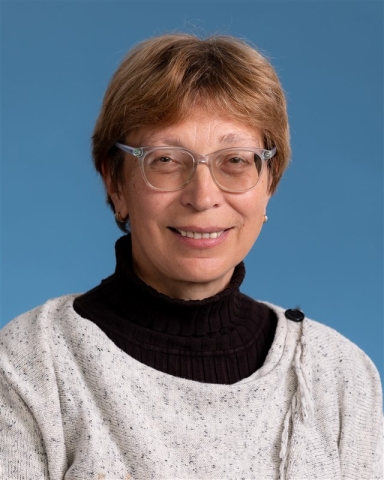
Dr Irina Arkhipova: I am a molecular evolutionary biologist, and my research focuses on mobile DNA in its broader sense, i.e. any DNA that moves within or between genomes, vertically or horizontally, within species or across kingdoms. I was initially drawn to mobile elements as an undergraduate, having joined the Georgiev lab in Moscow in which eukaryotic transposons were first cloned and their mobility was demonstrated. Subsequent postdoc experiences in other TE labs (Finnegan lab at the University of Edinburgh and Meselson lab at Harvard) solidified my determination to continue working on TEs. I was so fascinated by these elements that I never switched fields – this may be unusual for most scientists, but in fact you are switching fields multiple times together with your favorite mobile elements, when you simply follow the directions in which their multifaceted biology leads you. Now as a Senior scientist at the Marine Biological Laboratory in Woods Hole, MA, I continue to discover unusual things that transposons can do, and seek to explore unconventional model systems which are harder to investigate, but eventually turn out to be quite rewarding.
 Dr Irina Arkhipova: I am a molecular evolutionary biologist, and my research focuses on mobile DNA in its broader sense, i.e. any DNA that moves within or between genomes, vertically or horizontally, within species or across kingdoms. I was initially drawn to mobile elements as an undergraduate, having joined the Georgiev lab in Moscow in which eukaryotic transposons were first cloned and their mobility was demonstrated. Subsequent postdoc experiences in other TE labs (Finnegan lab at the University of Edinburgh and Meselson lab at Harvard) solidified my determination to continue working on TEs. I was so fascinated by these elements that I never switched fields – this may be unusual for most scientists, but in fact you are switching fields multiple times together with your favorite mobile elements, when you simply follow the directions in which their multifaceted biology leads you. Now as a Senior scientist at the Marine Biological Laboratory in Woods Hole, MA, I continue to discover unusual things that transposons can do, and seek to explore unconventional model systems which are harder to investigate, but eventually turn out to be quite rewarding.
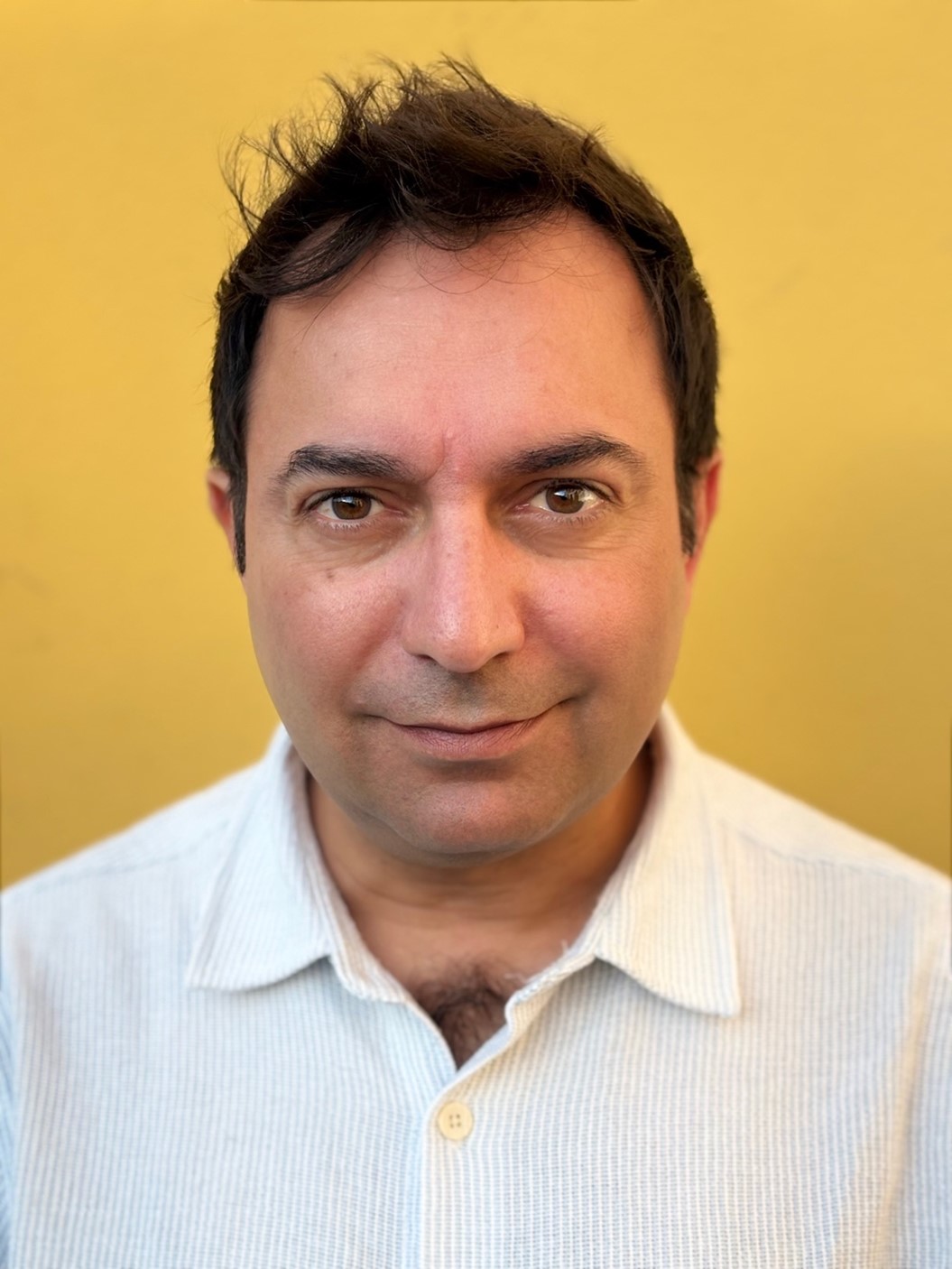
 Dr Gael Cristofari: My research interest lies in understanding the impact of transposable elements on genome and epigenome plasticity, with a special focus on human L1 elements. I am a biochemist and molecular biologist by training. I began my research career as an undergraduate student in the virology department of the École Normale Supérieure in Lyon. The lab, named LaboRetro and headed by Jean-Luc Darlix, was studying the molecular basis of reverse transcription in retroviruses and lentiviruses, and was also starting to ask questions about the evolution of these viruses. We wanted to know whether the replication of their distant ancestors, LTR-retrotransposons, would differ at the molecular level. I therefore started reconstituting yeast Ty1 and Ty3 reverse transcription complexes using purified components to dissect the different steps of reverse transcription in vitro. During my postdoc in Joachim Lingner's lab at ISREC/EPFL in Lausanne, I worked on another cellular reverse transcriptase, telomerase, which is responsible for replicating chromosome ends, yet another type of repeated DNA, using human cells as a model. Now, as a Research Director at the Institute for Research on Cancer and Ageing of Nice (IRCAN, France), I lead a mixed team of wet-lab experimenters and computational biologists. We explore the regulation of L1 activity, the mechanisms of their replication, and their impact on human health and disease. More recently, we have also started working on virus–retrotransposon interactions in insects, which brings me full circle back to my early interest in viruses.
 Dr Gael Cristofari: My research interest lies in understanding the impact of transposable elements on genome and epigenome plasticity, with a special focus on human L1 elements. I am a biochemist and molecular biologist by training. I began my research career as an undergraduate student in the virology department of the École Normale Supérieure in Lyon. The lab, named LaboRetro and headed by Jean-Luc Darlix, was studying the molecular basis of reverse transcription in retroviruses and lentiviruses, and was also starting to ask questions about the evolution of these viruses. We wanted to know whether the replication of their distant ancestors, LTR-retrotransposons, would differ at the molecular level. I therefore started reconstituting yeast Ty1 and Ty3 reverse transcription complexes using purified components to dissect the different steps of reverse transcription in vitro. During my postdoc in Joachim Lingner's lab at ISREC/EPFL in Lausanne, I worked on another cellular reverse transcriptase, telomerase, which is responsible for replicating chromosome ends, yet another type of repeated DNA, using human cells as a model. Now, as a Research Director at the Institute for Research on Cancer and Ageing of Nice (IRCAN, France), I lead a mixed team of wet-lab experimenters and computational biologists. We explore the regulation of L1 activity, the mechanisms of their replication, and their impact on human health and disease. More recently, we have also started working on virus–retrotransposon interactions in insects, which brings me full circle back to my early interest in viruses.
DNA Day celebrates the discovery of DNA’s structure. How has our understanding of mobile DNA changed the way scientists think about the genome?
_shown_in_her_laboratory_in_1947.png)
laboratory. Smithsonian institution,
public domain.
Dr Cristofari: When I wrote my PhD thesis, I took the time to read Barbara McClintock's original articles on the discovery of transposable elements, rather than relying solely on textbook chapters on the subject. They were genuinely challenging to get through, not just because they are long and technical, but mainly because the terminology was so different from what we use today. These papers were written at a time when DNA was not yet accepted as the carrier of genetic information, so reading them felt like a double translation: from English to French, which was honestly the easy part, and from pre-DNA-era language to modern molecular biology concepts. And yet, what struck me most was that nearly all of the ideas we work with today in mobile DNA research were already there, sitting right in those pages: transposons as mutagens and drivers of genetic instability, transposons as sources of genetic innovation.
Dr Lesage: For decades, coding sequences were considered the primary drivers of biological diversity. However, we now know that Transposable Elements play a crucial role in the structure, organization, expression, and evolution of the genome, thereby redefining our understanding of genetic variability. Transposable Elements contribute to differences both between species and within populations, while their complex interactions with host genomes—ranging from conflict to cooption—have shaped modern genome architecture and regulatory mechanisms. TEs are linked to human pathologies, such as aging, cancer and genetic or neurodegenerative diseases.
Thanks to rapid advances in genome editing, microscopy, sequencing, and bioinformatics adapted to repeated sequences, we continue to discover new functions of TEs and interactions with the host genome. The coming decade promises to reveal even more surprising ways in which TEs have influenced genomes, the evolution of organisms, and the emergence of new functions. 80 years after Barbara McClintock’s revolutionary discovery of mobile genetic elements—and 40 years after her Nobel Prize—the study of TEs is very active and diverse and continues to challenge and expand our fundamental concepts of genetics and genomes.
Dr Arkhipova: Such changes have happened many times. First, it was the realization that the continuity of chromosomal DNA may be interrupted and rearranged when mobile element-encoded enzymes act to excise or insert specific DNA segments, which were considered to be largely mutagenic and deleterious. Then, we witnessed a paradigm shift at the dawn of the genomics era, when the dominance of TE insertions over the number of protein-coding genes became evident, and the widespread use of TEs as genome building blocks was uncovered. Nowadays, there is little doubt that TEs represent major agents of evolutionary change, with enormous potential to re-shape and reorganize its 2D and 3D structure and regulatory networks, thereby preventing evolutionary stasis.
Mobile DNA sits at the intersection of mechanism, evolution, regulation, and disease. Why do you feel this field is important, and what motivated you to take on the role of Editors‑in‑Chief for the journal?
_-_coloraci%C3%B3n_de_los_granos.jpg)
effect of transposons.
Juan Carlos Fonseca Mata via wikimedia.
CC attribution shareAlike 4.0
Dr Arkhipova: What is so amazing about mobile DNA is that it touches virtually every area of biology: whatever field you are examining, at some point transposons would inevitably get involved. There is no apparent limit to what transposons can do, to the strategies they can come up with to ensure their existence, and to the consequences for the host cells, organisms, populations, and large taxonomic groups. If someone would offer me a role of Editor-in-Chief in any preferred journal of my choice, then, if Mobile DNA didn’t exist already, it would have to be created from scratch. The journal is there to serve the community, to keep the field together, to support young researchers, and to welcome new members from adjacent fields when their science brings them in touch with mobile DNA.
Dr Lesage: The themes explored in Mobile DNA perfectly reflect the diversity of research areas in TE biology, from their impact on genomes to their evolution. The journal’s thematic collections, such as the recently launched Transposable Elements and Development collection, bring together a wide range of studies on shared topics, highlighting the richness of approaches, biological models, and the unique features and similarities among the systems studied. Mobile DNA also provides a platform for publishing a broad spectrum of articles, including tools, reviews, and original research, that meet the needs and interests of the scientific community.
My natural commitment to bringing scientific vision of common and complementary interests together and promoting their visibility and progress led me to join the EIC board of Mobile DNA. This involvement allows me to support and promote the TE community and the research on TE. I believe that establishing an editorial board composed of TE experts is highly fundamental. It not only ensures the quality of published articles but also upholds the credibility and relevance of a journal entirely dedicated to TEs.
Dr Cristofari: I often wonder what actually makes mobile DNA a "field." Do we still think of "genes" as a field today? It feels more like a core concept of modern biology at this point. My short answer is that mobile DNA thinking has not yet permeated all other areas of biology sufficiently, and that there is still real work to do on that front. The field also raises significant methodological challenges that are specific to it. From a molecular biology and biochemistry perspective, we are still far from understanding the molecular details of mobility and host interactions, given the vast diversity within and across families. What motivated me to take on the role of Editor-in-Chief was watching the number of researchers encountering mobile DNA in their projects grow so quickly. They often face the same challenges, regardless of their model systems, and I felt the journal could serve as a real bridge across fields and organisms, and help newcomers find their place in this community.
Looking ahead, what emerging questions or technological developments in transposable elements research are you most excited to see explored and potentially submitted to Mobile DNA?
Dr Lesage: There are many emerging frontiers in TE research. Some of the questions/developments I find particularly exciting and promising are first of all the unprecedented availability of huge genomic datasets, which now allow us to unravel intraspecies TE invasion histories, identify drivers of recent adaptation, and launch deep population-level surveys to uncover the molecular mechanisms of adaptive evolution. Another fascinating area is the growing role of TEs in immunity across all domains of life. Genome mining promises to reveal novel sequences and functional insights. On the other side, recent breakthroughs like the CRISPR-associated (Cas) transposases system (CAST) are paving the way for programmable transposons, revolutionizing genome editing. Finally, cryo-electron tomography is transforming the field by enabling in-cell structural studies of TEs and real-time replication analysis, offering an unprecedented view of their cellular dynamics.
Dr Cristofari: Something I find particularly exciting right now is the impact of TEs beyond insertional mutagenesis or genomic variability. Those questions are still very much worth pursuing, especially with ongoing projects aiming to sequence essentially all living organisms on Earth, and I am sure that will bring its share of surprises. But what feels genuinely new is the direct effect of TE products, whether proteins or nucleic acids, on cellular physiology and systemic responses like immune reactions or development. I also think the diversity of TE mechanisms is going to be a rich source of biotechnological tools for genome engineering, and I look forward to seeing manuscripts on that. On top of all this, we are really only at the beginning of the long-read sequencing revolution, which is revealing TE-rich regions of the genome that we could not properly access before, with fascinating new biology waiting to be uncovered.
Dr Arkhipova: We are always looking for new tools which facilitate future discoveries, and for high-quality review articles that provide a concise summary on relevant topics. Hence, we are keeping the Mobile DNA Tools collection, as well as the Reviews collection, permanently open. Emerging topics are explored in timed thematic collections that are periodically opening, such as the role of TEs as a major source of immunogenic nucleic acids in the Viral mimicry collection, or the latest explorations of TE roles in shaping developmental processes. We would also like to see more manuscripts that uncover molecular mechanisms and enable visualization of molecular complexes and cellular processes in which TEs are involved.
As Editors‑in‑Chief, what qualities do you most value in submissions to Mobile DNA, and what advice would you offer to authors preparing their next manuscript?
Dr Arkhipova: If the paper reports something interesting about mobile DNA, even if it’s not earth-shattering, we will send it out for review (and the most frequent reason for desk rejection is “out-of-scope”, when there is little relevance to mobile DNA). The quality of writing always matters: if the paper is a pleasure to read, the reviewers are likely to respond on time and to look at it more favorably; if it is hastily written, not only would the reviewers have a difficult time reading it, but the readers would be less likely to read and cite it as well. Never under-estimate the importance of proper controls – our reviewers are eagle-eyed and will always spot the deficiencies. In the current publishing climate, where new journals come and go as easily as mushrooms after rain, we can only rely on expert-driven QC to minimize the flow of questionable information into the AI training datasets. If the journal has been around for 16 years, this means that it already withstood the test of time and earned the trust of the research community.
 Dr Arkhipova: If the paper reports something interesting about mobile DNA, even if it’s not earth-shattering, we will send it out for review (and the most frequent reason for desk rejection is “out-of-scope”, when there is little relevance to mobile DNA). The quality of writing always matters: if the paper is a pleasure to read, the reviewers are likely to respond on time and to look at it more favorably; if it is hastily written, not only would the reviewers have a difficult time reading it, but the readers would be less likely to read and cite it as well. Never under-estimate the importance of proper controls – our reviewers are eagle-eyed and will always spot the deficiencies. In the current publishing climate, where new journals come and go as easily as mushrooms after rain, we can only rely on expert-driven QC to minimize the flow of questionable information into the AI training datasets. If the journal has been around for 16 years, this means that it already withstood the test of time and earned the trust of the research community.
Dr Lesage: Obviously, there must be a direct link to TE biology and be innovative. As with any article submitted for publication, the rigor and quality of the study are essential; the presentation of the results must be clear and concise, and providing TE-related context is important for reaching the widest possible audience.
Dr Cristofari: For me, the papers that stand out are the ones asking a clearly defined biological question related to mobile DNA, without trying to oversell the results. Conclusions need to match the data. When there is no clear question or objective, I prefer to send the manuscript back to the authors before it goes to reviewers. It saves everyone's time, and in the end it genuinely increases the likelihood of the manuscript getting a positive review.
Follow the Topic
-
Mobile DNA
Mobile DNA is an online, peer-reviewed, open access journal that publishes articles providing novel insights into the function, biological impact, and evolution of transposable elements in any organism.

Related Collections
With Collections, you can get published faster and increase your visibility.
Mobile DNA Tools
Repository for all published articles on softwares, databases, and methodologies. Submit your updates and new submissions on not yet covered databases and other tools for analyzing and categorizing transposable elements.
This collection has been peer reviewed by the journal's Editorial Board.
Publishing Model: Open Access
Deadline: Ongoing
All Reviews Collection
Repository for all published Review articles. Contributions from some of the leading researchers working with mobile DNA.
This collection has been peer reviewed by the journal's Editorial Board.
Publishing Model: Open Access
Deadline: Ongoing