Examining the role of smart cities and sustainability research in achieving SDGs through bibliometric lens
Published in Sustainability

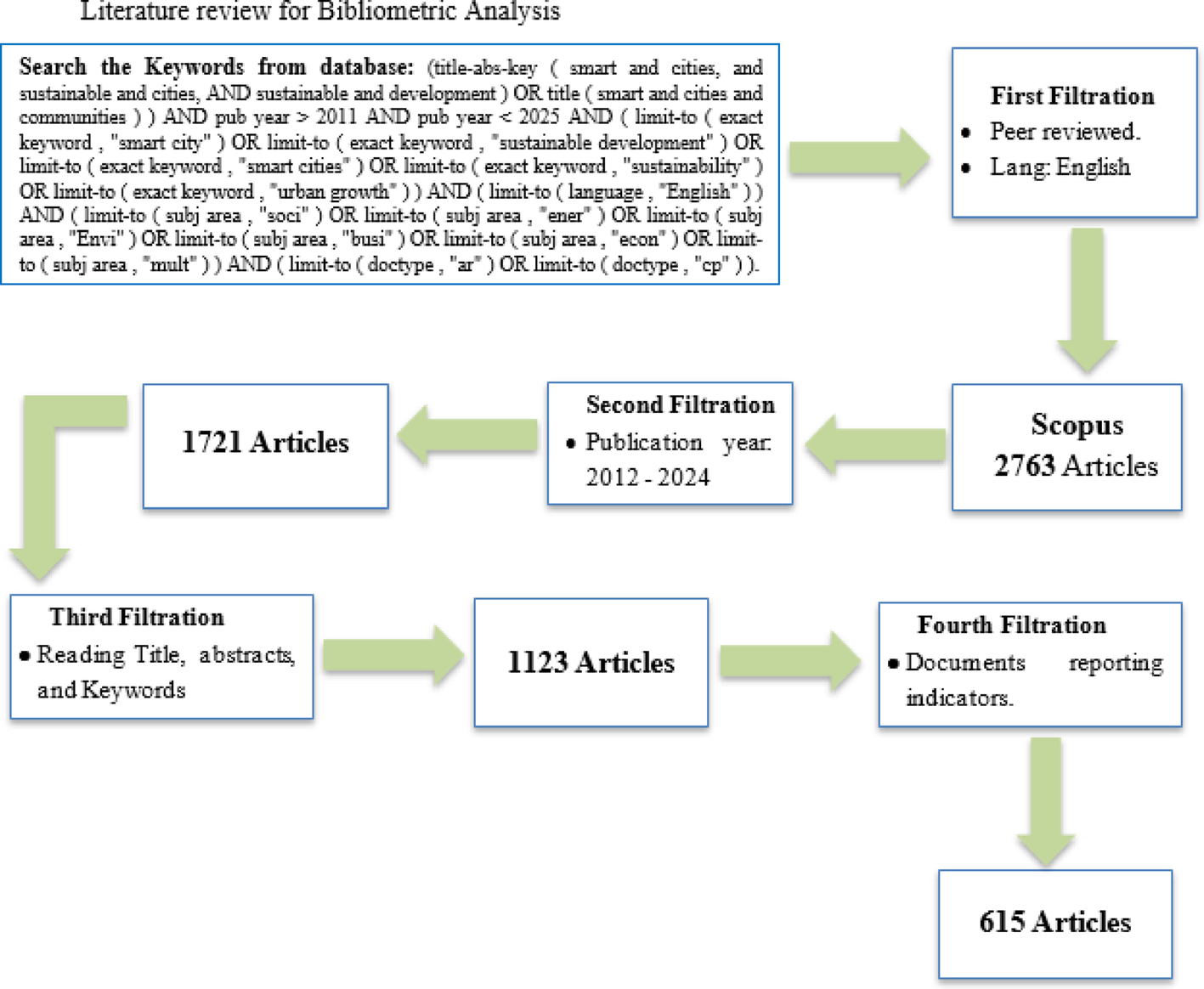

As urban challenges intensify amid rapid growth, climate change, and resource scarcity, aligning smart city development with sustainability goals has become a global imperative. This study presents a bibliometric analysis of 615 publications indexed in Scopus from 2012 to 2024, exploring the evolving landscape of research at the intersection of smart cities and sustainability. Using Biblioshiny and VOSviewer, the study maps co-authorship patterns, keyword co-occurrence, and thematic structures to identify dominant trends, gaps, and emerging themes. The results reveal a strong focus on core concepts such as “smart cities,” “sustainability,” and “climate resilience,” with emerging interest in artificial intelligence, big data, and social equity. China, Italy, and Spain lead in global scholarly contribution, while collaboration networks remain concentrated in the Global North. Thematic evolution indicates a transition from purely tech-driven frameworks toward integrated, human-centric approaches addressing inclusivity, resilience, and governance. Despite increased contributions, social dimensions of sustainability remain unexplored, especially in Global South contexts. This study offers actionable insights for researchers, urban planners, and policymakers aiming to leverage digital innovation for inclusive and sustainable urban transformation aligned with SDG 11 and beyond.
Follow the Topic
What are SDG Topics?
An introduction to Sustainable Development Goals (SDGs) Topics and their role in highlighting sustainable development research.
Continue reading announcement


Please sign in or register for FREE
If you are a registered user on Research Communities by Springer Nature, please sign in