Expanding the Spectrum of Autoimmune Encephalitis — A Rare Anti-Recoverin Case
Published in Neuroscience and Biomedical Research


Clinical Presentation and Diagnostic Features
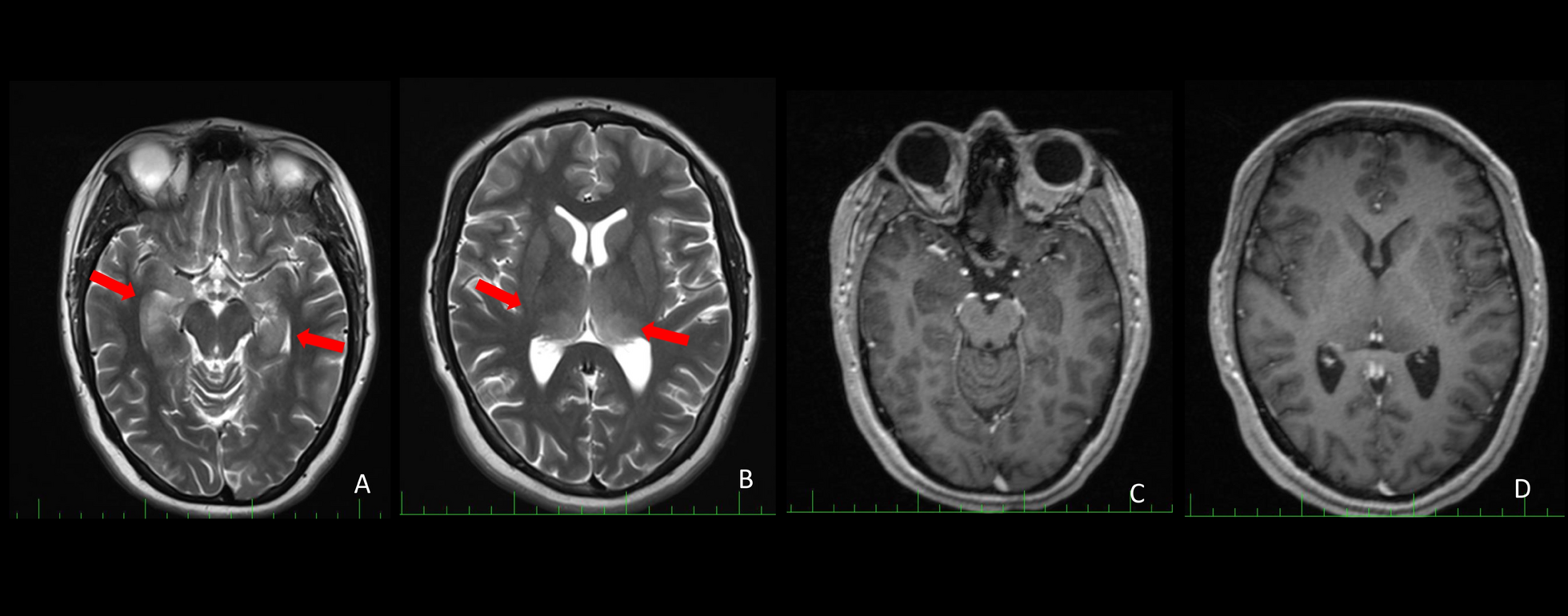
The report describes a 33-year-old woman presenting with a subacute syndrome characterized by temporal lobe seizures, progressive cognitive dysfunction, and insomnia. Neuroimaging demonstrated bilateral hippocampal and thalamic signal abnormalities, while EEG confirmed bilateral temporal epileptiform activity.
Importantly, both serum and cerebrospinal fluid were strongly positive for anti-recoverin antibodies—classically associated with cancer-associated retinopathy but rarely implicated in central nervous system autoimmunity.
After excluding malignancy and alternative etiologies, the patient fulfilled criteria for definite autoimmune limbic encephalitis
Therapeutic Course and Outcome
The patient was treated with high-dose corticosteroids and intravenous immunoglobulin, alongside antiseizure therapy. Over a two-year follow-up period, she demonstrated sustained clinical and radiologic improvement, with partial persistence of antibody titers.
Broader Implications
This case offers several important contributions to the literature:
- It expands the phenotypic spectrum of anti-recoverin–associated disease beyond retinopathy
- It reinforces the need to consider intracellular neuronal antibodies in atypical or seronegative AE presentations
- It highlights the potential reversibility of rare autoimmune syndromes with timely immunotherapy
- It underscores the enduring value of carefully documented case reports in identifying novel or underrecognized disease associations
Knowledge Check
Which statement best reflects the clinical significance of anti-recoverin antibodies in this context?
A. They are exclusively associated with retinal disease
B. They are common markers of anti-NMDA receptor encephalitis
C. They may rarely be associated with autoimmune encephalitis, even in the absence of malignancy
D. They are surface antibodies directly targeting synaptic receptors
Correct answer: C
Closing Perspective
As the landscape of autoimmune neurology continues to expand, recognition of rare antibody-mediated syndromes remains essential. This case exemplifies how individual observations—carefully reported—can meaningfully shape clinical understanding and patient care.
Journal of Medical Case Reports is the world’s first international, PubMed-listed, medical journal devoted to publishing case reports from all medical disciplines and will consider any original case report that expands the field of general medical knowledge, and original research relating to case reports.
Richard Alan Rison is the interim Editor-in-Chief of Journal of Medical Case reports. He is also an associate neurology editor (editorial board) for BMC Neurology, and the former lead editor for case reports of BMC Research Notes (currently on the editorial board). His scholarly work focuses on medical case reporting, reporting standards, and editorial methodology. Dr. Rison participated in the development and dissemination of the CARE guidelines for clinical case reporting and has authored numerous publications addressing both neurological disorders and the role of case reports in advancing medical knowledge. Dr. Rison practices general neurology and served as the founding medical director of the PIH Health Hospital-Whittier Stroke Program and the PIH Health Hospital-Whittier Non-Invasive Vascular Laboratory, is a clinical assistant professor of neurology at the University of Southern California Keck School of Medicine and Los Angeles County Medical Center, and is a Fellow of the American Academy of Neurology, the American Neurological Association, and the American Association of Neuromuscular and Electrodiagnostic Medicine. Dr Rison is board-certified by the American Board of Psychiatry and Neurology in neurology and vascular neurology, and neurocritical care and neuroimaging by the United Council of Neurologic Subspecialties. He is also board-certified by the American Board of Electrodiagnostic Medicine in electrodiagnostic medicine. Dr. Rison is a former president of the Los Angeles Neurological Society.
Follow the Topic
-
Journal of Medical Case Reports
This journal will consider any original case report that expands the field of general medical knowledge, and original research relating to case reports.