Exploring Brain, Behaviour and Mental Health Through Nature Portfolio Cross-Journal Collections
Published in Neuroscience, Sustainability, and Biomedical Research
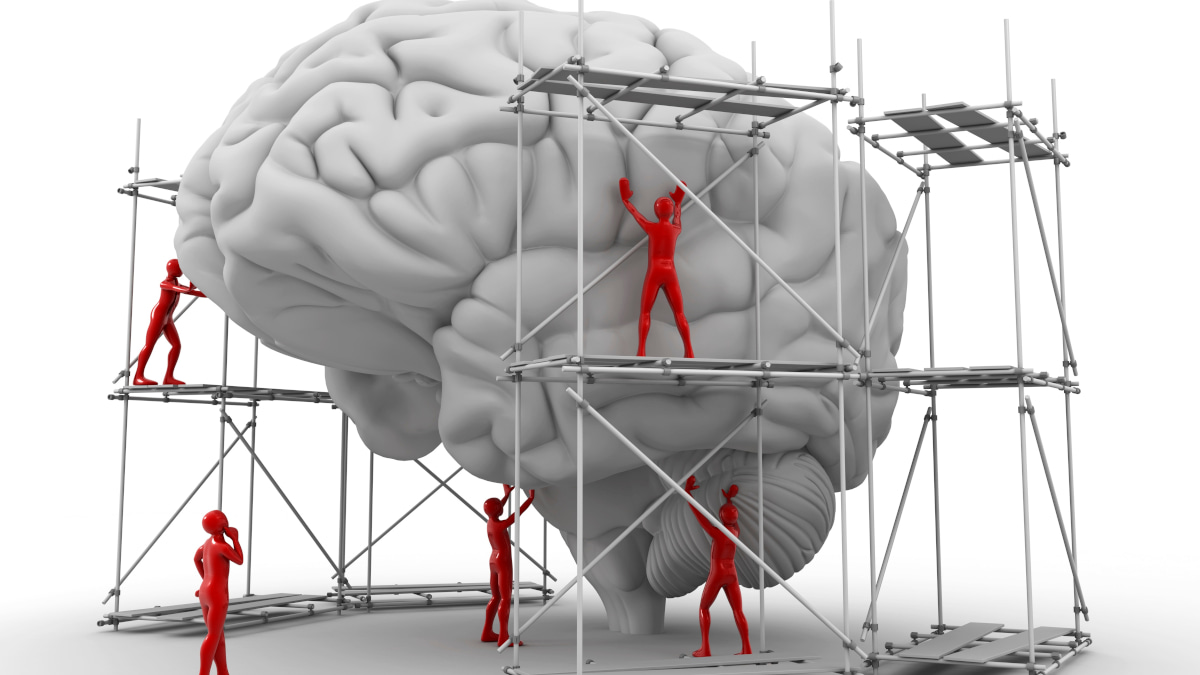
The human brain remains one of the most complex systems in nature. From the neural circuits that shape parental care to the vascular factors contributing to neurodegeneration, and from global patterns of human behaviour to computational approaches for psychiatric disorders, advances in neuroscience are increasingly driven by interdisciplinary collaboration.
To support these emerging areas of research, Nature Communications and partner Nature Portfolio journals invite submissions to a series of cross-journal collections focused on Brain, Behaviour and Mental Health. Together, these collections provide a platform for studies spanning fundamental discovery, clinical research, computational science, behavioural science, and translational neuroscience.
A connected research landscape
Progress in understanding the brain rarely occurs within disciplinary boundaries. Neural circuitry influences behaviour, vascular health shapes neurological outcomes, and computational approaches are transforming how psychiatric disorders are investigated and understood. At the same time, behavioural research across diverse populations is providing valuable insights into the ways culture, environment and society shape human decision-making and wellbeing.
By bringing together these interconnected themes, this cross-journal collection series aims to foster collaboration across disciplines and encourage new perspectives on brain function, behaviour, mental health, neurological disease and recovery.
Featured collections
Neurobiology and neural circuits of parenting behaviours
Parenting behaviours are among the most fundamental social behaviours across species, yet many of the neural mechanisms underlying caregiving remain poorly understood. This collection welcomes primary research exploring the neuronal circuits, molecular pathways and behavioural processes involved in parenting behaviours in both males and females.
Participating journals: Nature Communications, Communications Biology, and Scientific Reports.
Advances in Central Nervous System Injuries
Central nervous system injuries remain a leading cause of disability worldwide. Advances in mechanistic understanding, diagnosis, treatment and rehabilitation are essential to improving outcomes for patients affected by traumatic brain injury, spinal cord injury and related conditions.
This collection welcomes original pre-clinical and clinical studies addressing diverse aspects of CNS injury research, from pathophysiology and diagnostics to therapeutic and rehabilitation strategies.
Participating journals: Nature Biomedical Engineering, Nature Communications, Nature Progress Brain Health, Communications Biology, Communications Medicine, and Scientific Reports.
Cerebrovascular Contributions to Neurodegeneration
Increasing evidence suggests that vascular dysfunction plays an important role in the onset and progression of neurodegenerative diseases. Understanding the links between cerebrovascular health and neurodegeneration may help uncover new opportunities for prevention, diagnosis and treatment.
This collection encourages submissions that advance our understanding of cerebrovascular dysfunction and its contribution to neurodegenerative processes.
Participating journals: Nature Communications, Nature Progress Brain Health, Communications Biology, Communications Medicine, and Scientific Reports.
Human Behaviour Across the Globe
Human beliefs, values, cognitions and behaviours vary across cultures and societies. Expanding behavioural research beyond traditionally overrepresented populations is essential for improving the generalisability and inclusivity of scientific findings.
This collection welcomes research that highlights human behaviour across different nations, cultures and social contexts, helping to build a more globally representative understanding of behavioural science.
Participating journals: Nature Communications, Communications Psychology, and Scientific Reports.
Computational Approaches to Psychiatric Disorders
Computational methods are rapidly transforming psychiatric research. From machine learning and artificial intelligence to computational modelling and digital phenotyping, these approaches are opening new possibilities for understanding psychiatric symptoms and mental health conditions.
This collection seeks research that leverages computational approaches to advance our understanding of psychiatric disorders and improve the future of diagnosis, prediction and treatment.
Participating journals: Nature Communications, Nature Human Behaviour, Nature Mental Health, Communications Psychology, and Scientific Reports.
Why submit?
These collections provide an opportunity to:
- Participate in a high-visibility cross-journal initiative led by Nature Communications
- Reach interdisciplinary audiences across neuroscience, behavioural science and mental health research
- Engage with editorial teams across multiple Nature Portfolio journals
- Connect with researchers working across fundamental, clinical and computational disciplines
- Contribute to emerging conversations around brain health, behaviour and neuropsychiatric disorders
- Increase the visibility of research through a dedicated thematic collection
Participating journals and submission pathways
Each collection is supported by multiple Nature Portfolio journals, offering authors a range of publication venues aligned with their research focus and methodology.
Collection pages provide:
- A full list of participating journals
- Journal-specific submission links
- Author guidelines and editorial policies
- Detailed collection scopes and eligibility criteria
We encourage prospective authors to explore the collection pages to identify the journal that best matches their work.
Join the conversation
Whether your research focuses on neural circuitry, cerebrovascular biology, central nervous system injuries, behavioural science or psychiatric disorders, we invite you to contribute to this cross-journal collection series.
Explore the collection pages to learn more about the participating journals, submission pathways and research topics of interest.
We look forward to showcasing the discoveries and innovations that will advance our understanding of the brain, behaviour and mental health in the years ahead.

Follow the Topic
-
Nature Communications
An open access, multidisciplinary journal dedicated to publishing high-quality research in all areas of the biological, health, physical, chemical and Earth sciences.

Related Collections
With Collections, you can get published faster and increase your visibility.
Women's Health
Publishing Model: Hybrid
Deadline: Ongoing
Tumor Microenvironment Crosstalk and Therapeutic Implications
Publishing Model: Hybrid
Deadline: Nov 02, 2026




Please sign in or register for FREE
If you are a registered user on Research Communities by Springer Nature, please sign in