Extreme Weather Events and Pediatric Malnutrition
Published in Earth & Environment, General & Internal Medicine, and Public Health
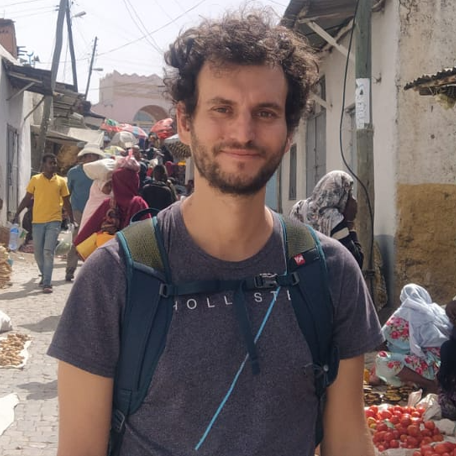
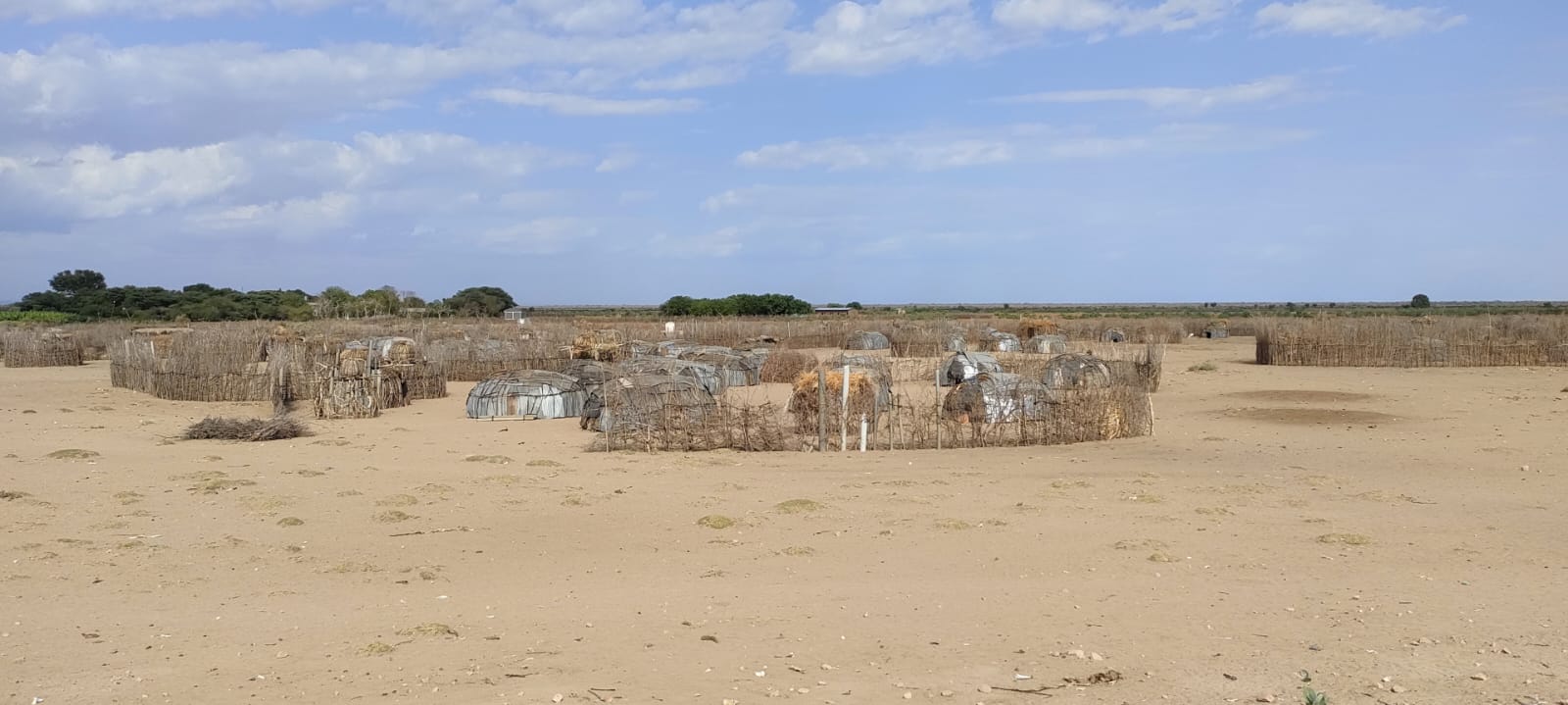






Ours is a multidisciplinary team, with nearly all of us having extensive past or present work experience in Sub-Saharan African countries, including Mozambique, Ethiopia, Uganda, and South Africa. Our team brings together four pediatricians, one nutritionist, one social scientist, and a mathematician. What unites us is a shared interest in pediatric public health across African countries and a commitment to act as the climate warms.
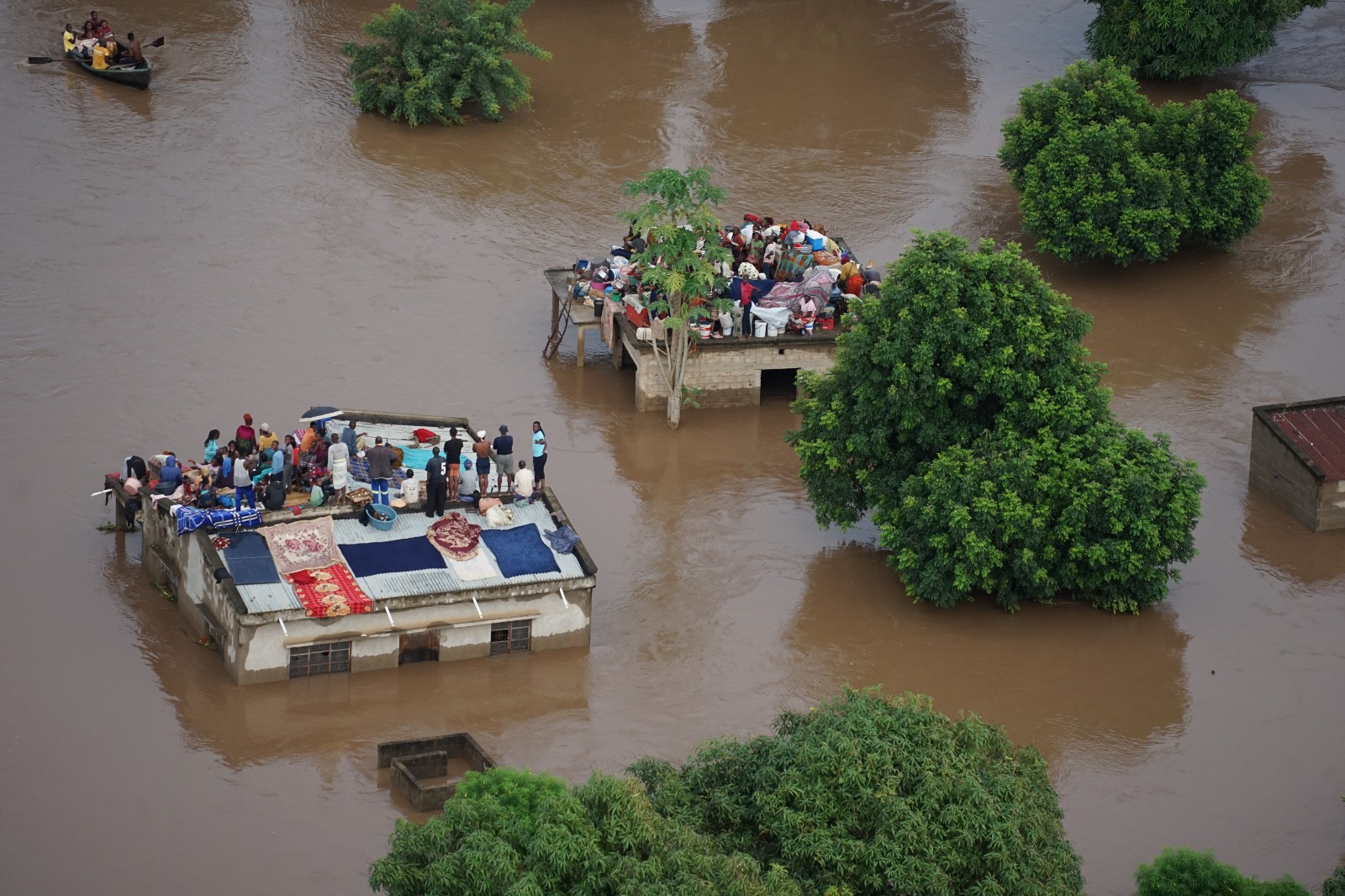
Worldwide, children are among those most affected by climate-related hazards. Because their bodies are still developing and their nutritional needs change rapidly with age, extreme weather events such as heatwaves, floods, droughts, and tropical storms can have serious consequences for their health and nutrition. These events disrupt food supplies, increase the spread of disease, and worsen food insecurity, with effects that may extend well into adulthood. This is particularly concerning given the substantial global burden of childhood malnutrition, which includes both undernutrition and overweight or obesity.
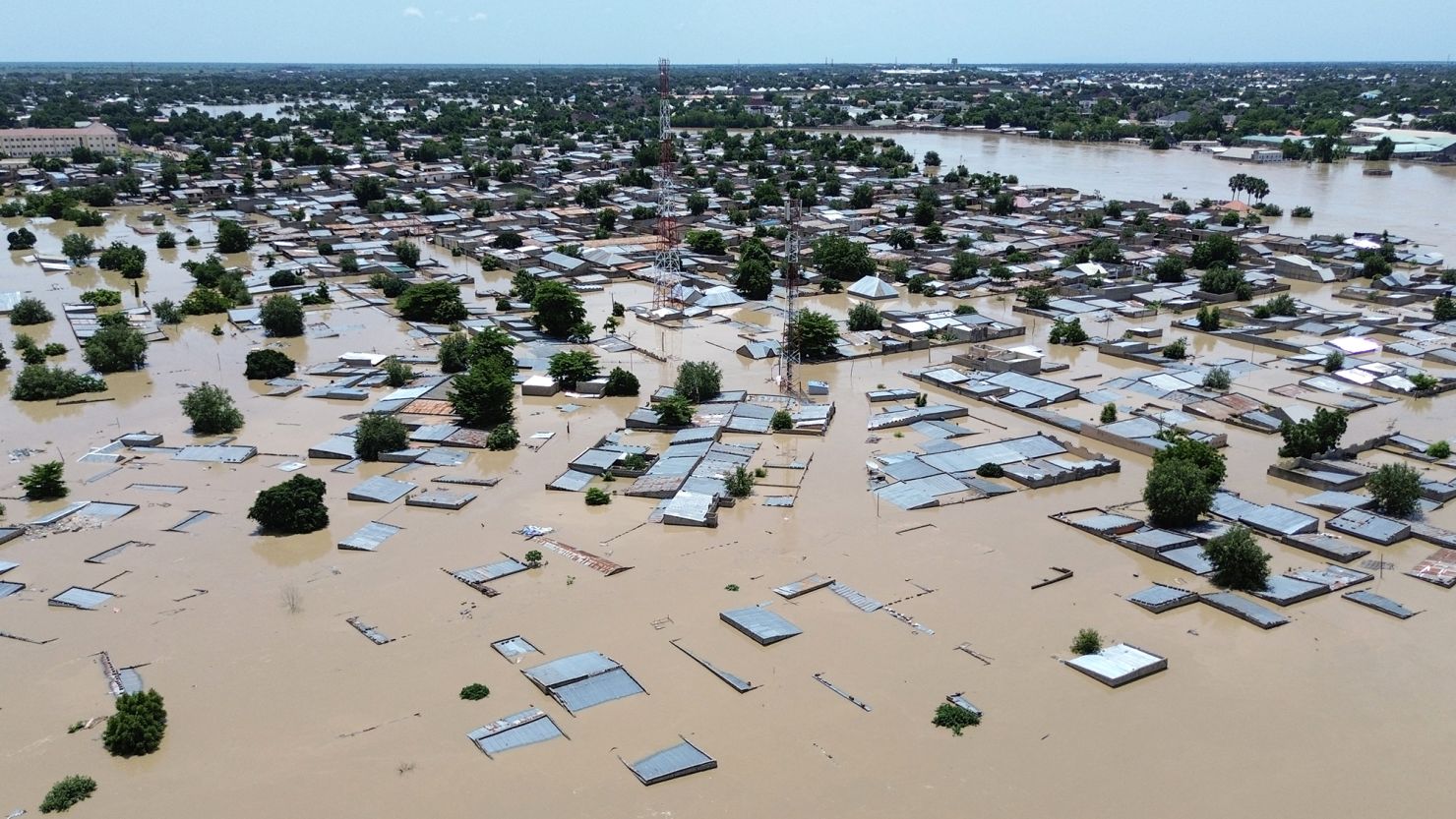
Yet, we still know relatively little about how extreme weather events affect children’s nutrition across different stages of childhood and adolescence. Previous research has focused primarily on younger children and undernutrition, leaving important gaps in our understanding of how events such as droughts, floods, tropical cyclones, and wildfires affect children and adolescents aged 0–17 years. Addressing these gaps is increasingly urgent: nearly half of the world’s children live in countries facing an extremely high risk of climate-related hazards.
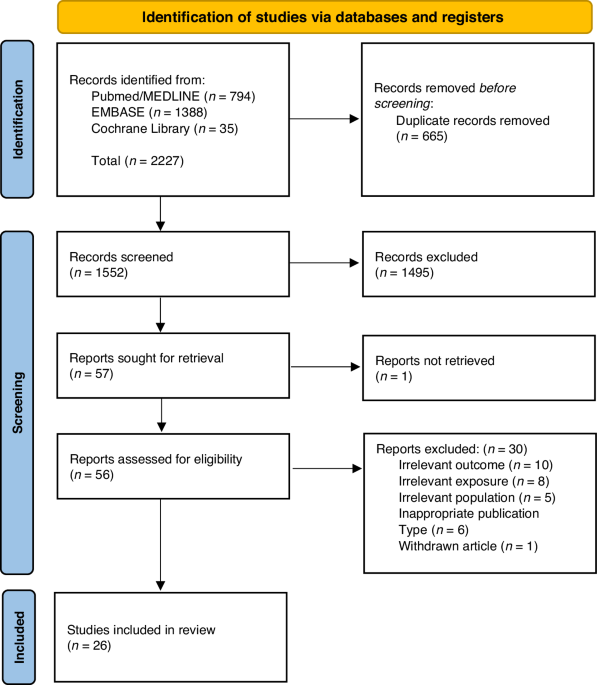
We therefore systematically reviewed and quantified the available evidence on the relationship between extreme weather events and malnutrition among children and adolescents, with a particular focus on low- and middle-income countries (LMICs). These countries carry a large share of the global burden of childhood malnutrition, accounting for nearly two-thirds of children affected by stunting (i.e., being too short for one’s age as a result of chronic or repeated nutritional challenges) and three-quarters of those affected by wasting (i.e., being too thin for one’s length/height, reflecting more recent and acute nutritional deficits or infectious illness).
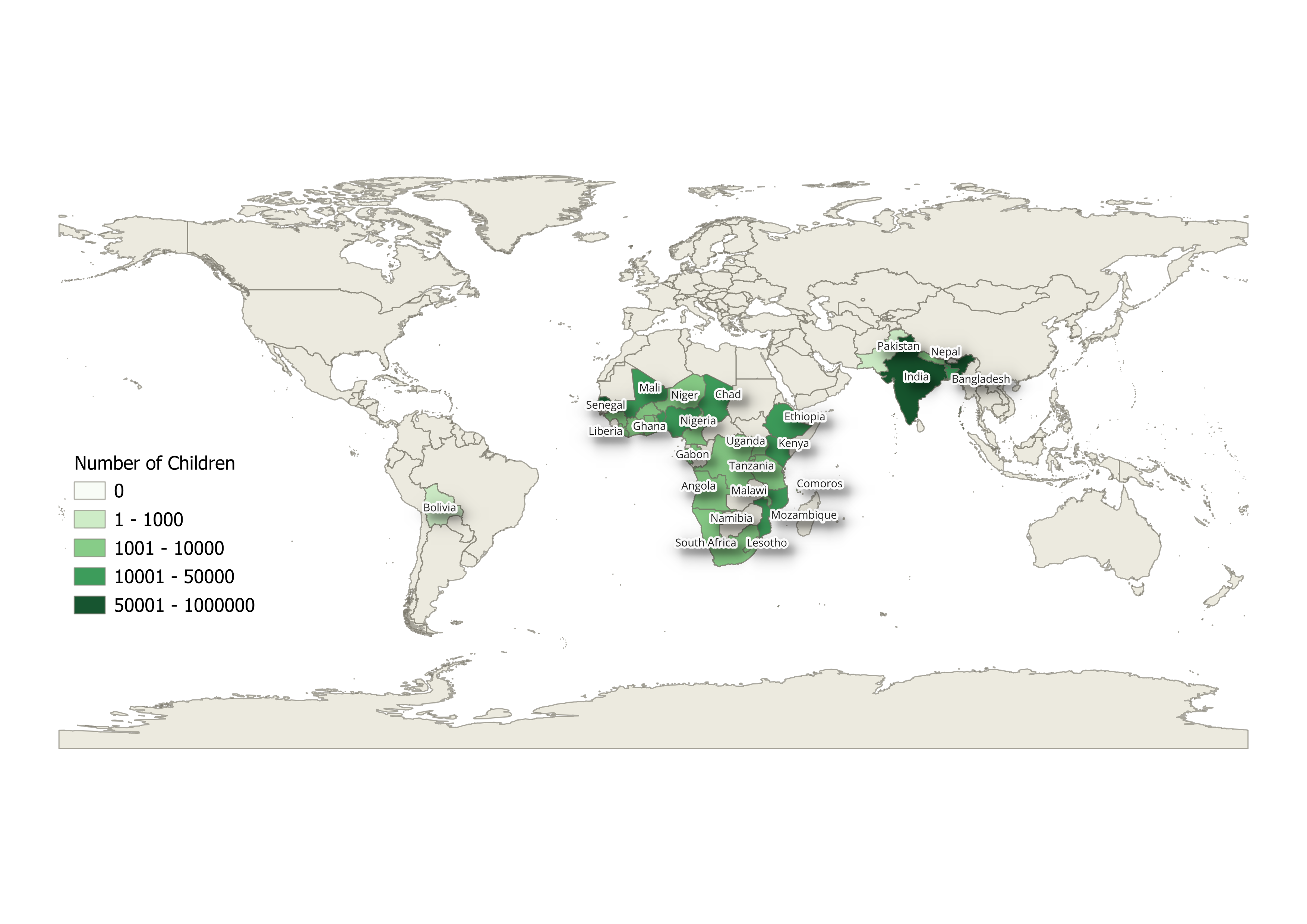
Our findings show that underweight, stunting, and wasting remain widespread among children living in LMICs affected by extreme weather events. Evidence suggests that floods and droughts affect child nutrition through different pathways and over different timescales: floods are more likely to precipitate short-term nutritional crises, whereas droughts exacerbate chronic food insecurity. These differences help explain the distinct geographical and climatic patterns observed in the malnutrition–disaster relationship. In Africa, droughts account for more than 80% of climate-related disasters, whereas floods are more frequent in South Asia, highlighting the importance of considering regional climatic and socioeconomic contexts when assessing nutritional vulnerability.
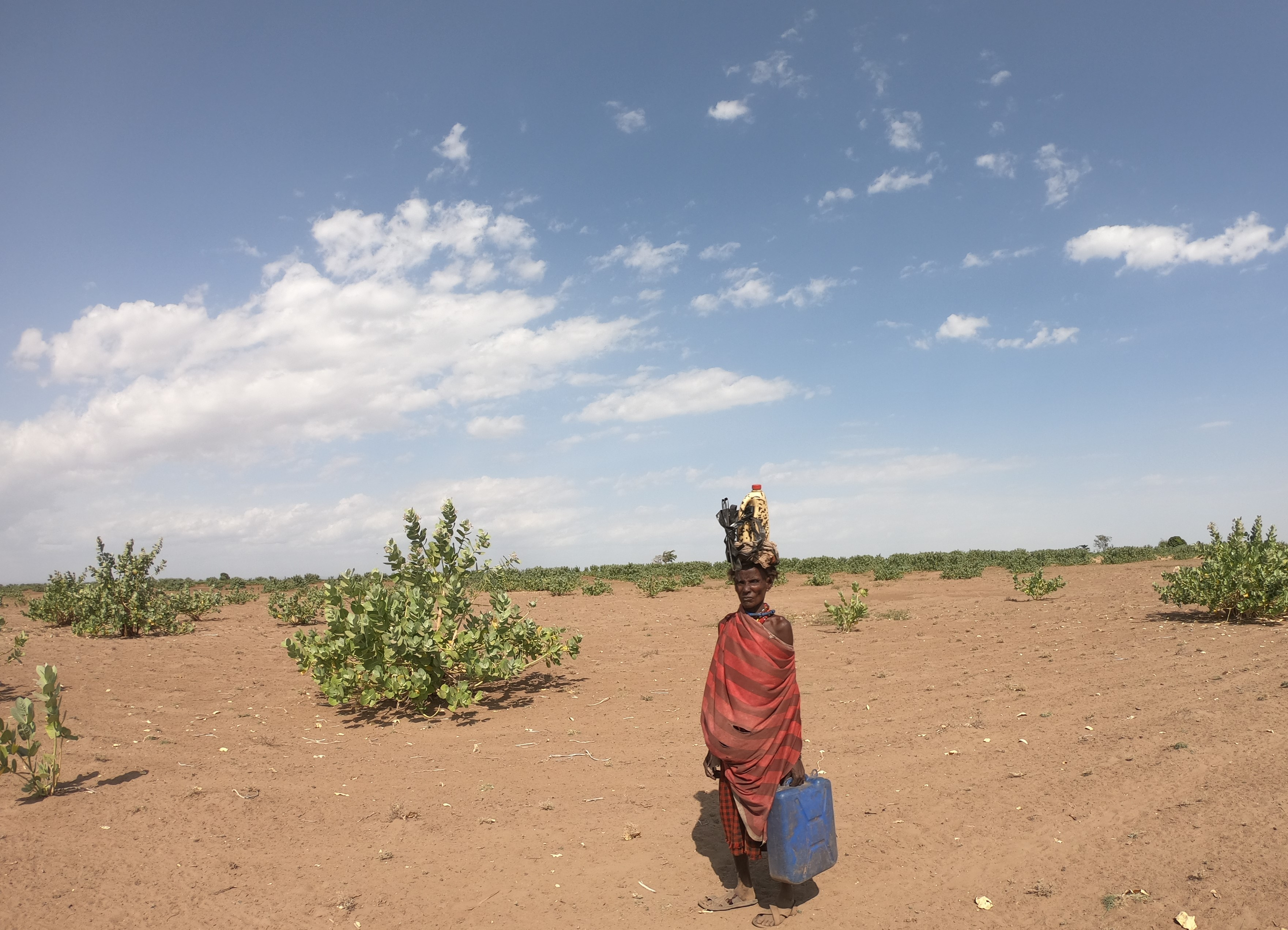
However, the evidence linking these events to malnutrition remains limited and inconsistent. Differences in how extreme weather events and malnutrition are defined, the use of different growth standards, and the frequent lack of information on children’s nutritional status before an event make it difficult to compare studies and draw firm conclusions.
Another major gap concerns childhood overnutrition. Extreme temperatures, natural disasters, heavy rainfall, and seasonal changes may influence the risk of overweight and obesity by disrupting food access, increasing reliance on less nutritious foods, or limiting opportunities for physical activity. However, evidence remains insufficient to establish clear causal relationships. This gap is critical: by 2025, obesity had surpassed underweight among school-age children and adolescents in every region except Sub-Saharan Africa and South Asia.
Evidence on the effects of tropical storms, hurricanes, and wildfires on child nutrition in LMICs also remains sparse, despite increasing exposure to cyclones, extreme rainfall, and landscape fires across Africa, Asia, and small island nations.
Future research would benefit from clearer and more consistent definitions of extreme weather events, particularly drought, as well as greater attention to children older than five years and adolescents, whose nutritional needs and vulnerabilities differ from those of younger children. Longitudinal studies that assess nutritional status both before and after extreme weather events are particularly needed to clarify these pathways and guide effective, age-appropriate interventions.
What unites us is a shared interest in pediatric public health across African countries and a commitment to act as the climate warms. Our team welcomes networking with anyone who shares this commitment, as collaboration is the only way we can truly make an impact.
Follow the Topic
-
Pediatric Research
Pediatric Research publishes original translational research papers, invited reviews, and commentaries on the etiologies and treatment of diseases of children and disorders of development, extending from basic science to epidemiology and quality improvement.