Following the environmental consequences of a microalgal biofertilizer
Published in Bioengineering & Biotechnology and Earth & Environment
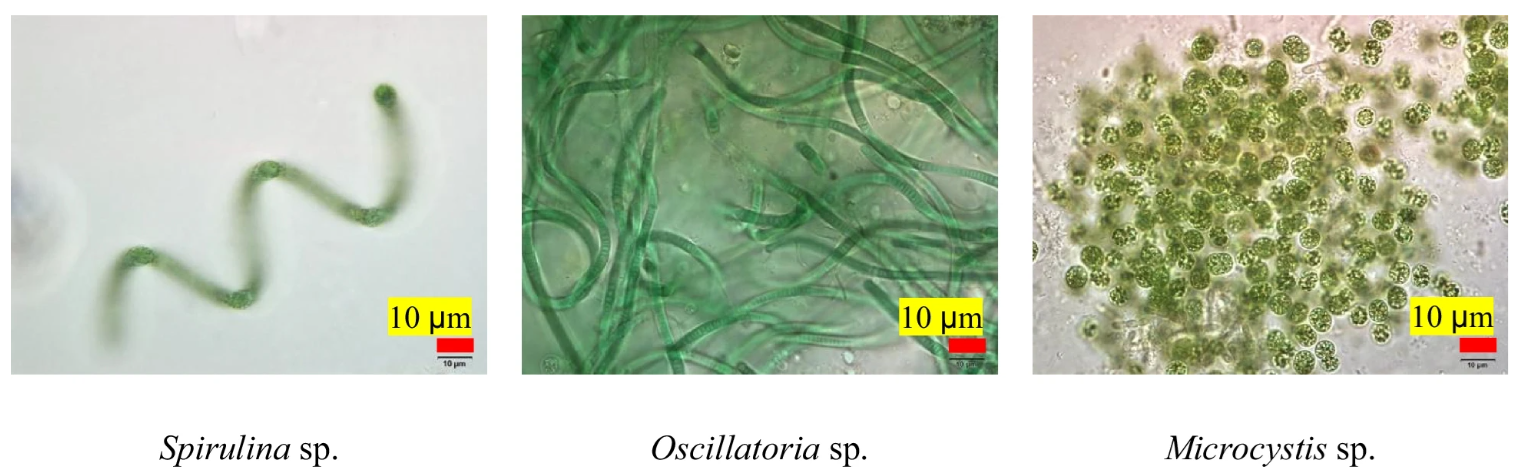

Wastewater contains nutrients that must be managed carefully, but it can also be viewed as a source of recoverable resources. Microalgae offer an interesting connection between these two perspectives: they can grow in nutrient-rich wastewater, producing biomass that may have further uses after cultivation. One possibility is its use as a biofertilizer.
A recently published study in the Journal of Applied Phycology examines this possibility through a case study of the Bojongsoang Wastewater Treatment Plant in Indonesia. The authors assess the environmental performance of producing microalgae-based biofertilizer from wastewater, placing the proposed pathway within the broader discussion around chemical fertilizer use, greenhouse gas emissions, and nutrient pollution.
Rather than considering microalgal biomass as an isolated product, the research applies consequential life cycle assessment. This approach directs attention to the environmental changes that could follow from a production decision, including effects elsewhere in the systems connected to it. For emerging circular processes, this wider perspective can reveal trade-offs that may be missed when attention is limited to the immediate production stage.
Context-specific analysis
The Bojongsoang case also shows why local conditions matter. Wastewater composition, treatment infrastructure, energy requirements, biomass processing, and the products that a biofertilizer might replace can all influence an environmental assessment. The study therefore contributes a context-specific analysis rather than suggesting that wastewater-grown microalgae will produce the same outcomes in every location.
This work will be relevant to researchers studying applied phycology, resource recovery, wastewater treatment, life cycle assessment, biofertilizers, and circular approaches to agriculture. It also illustrates how environmental evaluation can be incorporated while a promising use for microalgal biomass is still being investigated, before its benefits are assumed or generalized.
Author's note: I used Microsoft Copilot to assist in creating this post.

Follow the Topic
-
Journal of Applied Phycology
The Journal of Applied Phycology focuses on the rapidly expanding subject of the commercial use of algae.

Related Collections
With Collections, you can get published faster and increase your visibility.
Algal Biostimulants and Biofertilizers
Algae have been increasingly explored as a viable source of biostimulants and biofertilizers in agriculture. In recent years, several studies have shown that algal and cyanobacterial extracts as well as biomasses can perform better than conventional products and are more environmentally friendly.
Algal biostimulants are designed to stimulate the growth of crops and improve their overall health. They can be used to enhance nutrient uptake, increase tolerance to biotic and abiotic stresses, and improve quality traits. Algal and cyanobacterial biofertilizers can be used to improve soil fertility, increase crop yields, and reduce the need for chemical fertilizers. They can also help to reduce soil erosion, increase water retention, and reduce water and soil pollution.
We believe that the Phycology community can offer a promising route to help agriculture achieve its greatest challenges in this century: sustainability and food security in a climate changing world.
Seaweed, microalgae, and cyanobacteria researchers are all invited to submit to this Topical Collection. Here we aim to showcase high quality research focusing on agricultural applications, including the role of algal biostimulants in seaweed aquaculture.
Topical areas include but are not limited to:
- Extraction, treatment, production, and application processes.
- Effects on seed germination, crop growth and yield, biochemical properties, tolerance to biotic and abiotic stresses, heavy metals accumulation, post-harvest quality etc
- Use of algae compounds (e.g., polysaccharides, proteins) in combination with conventional products (e.g., coating, nanoparticles) to enhance crop productivity under normal and stressful conditions.
Articles on this topic published in the journal from January 2022 to March 2023 were retrospectively added to this Collection.
All submissions will be handled by the journal editorial board, peer reviewed as usual and final decisions made by the Editor-in-Chief. Manuscripts should be prepared according to the journal submission guidelines.
IMPORTANT: Please do not forget to select this collection when submitting your manuscript.
Publishing Model: Hybrid
Deadline: Ongoing
Algal Biotechnology in Wastewater Treatment: Challenges, Advances, and Opportunities
Although algae have been used in wastewater treatment for decades, recent advances in algal biotechnology and treatment technologies have opened new opportunities for sustainable environmental management.
Both microalgae and macroalgae offer significant advantages for wastewater remediation. These systems can efficiently remove nutrients, heavy metals, and emerging contaminants, enabling water reuse or environmentally safe discharge. At the same time, they generate valuable biomass that can be utilized in a wide range of applications, including agriculture, biofuels, bioplastics, animal feed, and other bio-based products.
As global challenges related to water scarcity, pollution, and climate change continue to intensify, the need for innovative, environmentally sustainable, economically viable, and scalable wastewater treatment solutions has never been greater.
Despite their considerable potential, several challenges must be addressed to facilitate the large-scale implementation of algal treatment systems. These include enhancing nutrient uptake efficiency, managing microbial interactions, maintaining system stability under fluctuating environmental conditions, improving biomass harvesting processes, and integrating algal technologies into existing treatment infrastructure. In addition, economic feasibility and evolving regulatory frameworks remain key factors influencing adoption.
This Topical Collection aims to bring together cutting-edge research that addresses these challenges and advances the development and application of algae-based wastewater treatment technologies. We welcome submissions on topics including, but not limited to:
- Algal species selection and cultivation strategies for wastewater treatment
- Nutrient removal and recovery from wastewater streams using microalgae and macroalgae
- Integration of algal systems with conventional wastewater treatment technologies
- Photobioreactor design and optimization for wastewater applications
- Algae-bacteria-fungi consortia and microbial interactions in treatment systems
- Life cycle assessment and techno-economic analysis of algae-based treatment systems, including pathways toward commercial-scale implementation
- Metabolic engineering and genetic modification of algae for enhanced pollutant removal
- Use of urban, industrial, and agricultural wastewaters for algal biomass production
- Utilization and valorization of wastewater-grown algal biomass
- Circular economy approaches involving algae and wastewater reuse
- Policy, regulatory, and societal aspects of algae-based wastewater treatment
- Case studies spanning pilot-scale to commercial-scale implementation of algal treatment systems
- Advances in monitoring, automation, artificial intelligence, and process control for algal treatment technologies
All submissions will be handled by the journal's Editorial Board, undergo standard peer review, and receive a final decision from the Editor-in-Chief.
Manuscripts should be prepared in accordance with the journal submission guidelines.
Important: When submitting your manuscript, please ensure that this Topical Collection is selected during the submission process.
Publishing Model: Hybrid
Deadline: Ongoing