Genome wide association study unveils the genetic basis of Orobanche crenata resistance in pea
Published in Genetics & Genomics, Plant Science, and Agricultural & Food Science
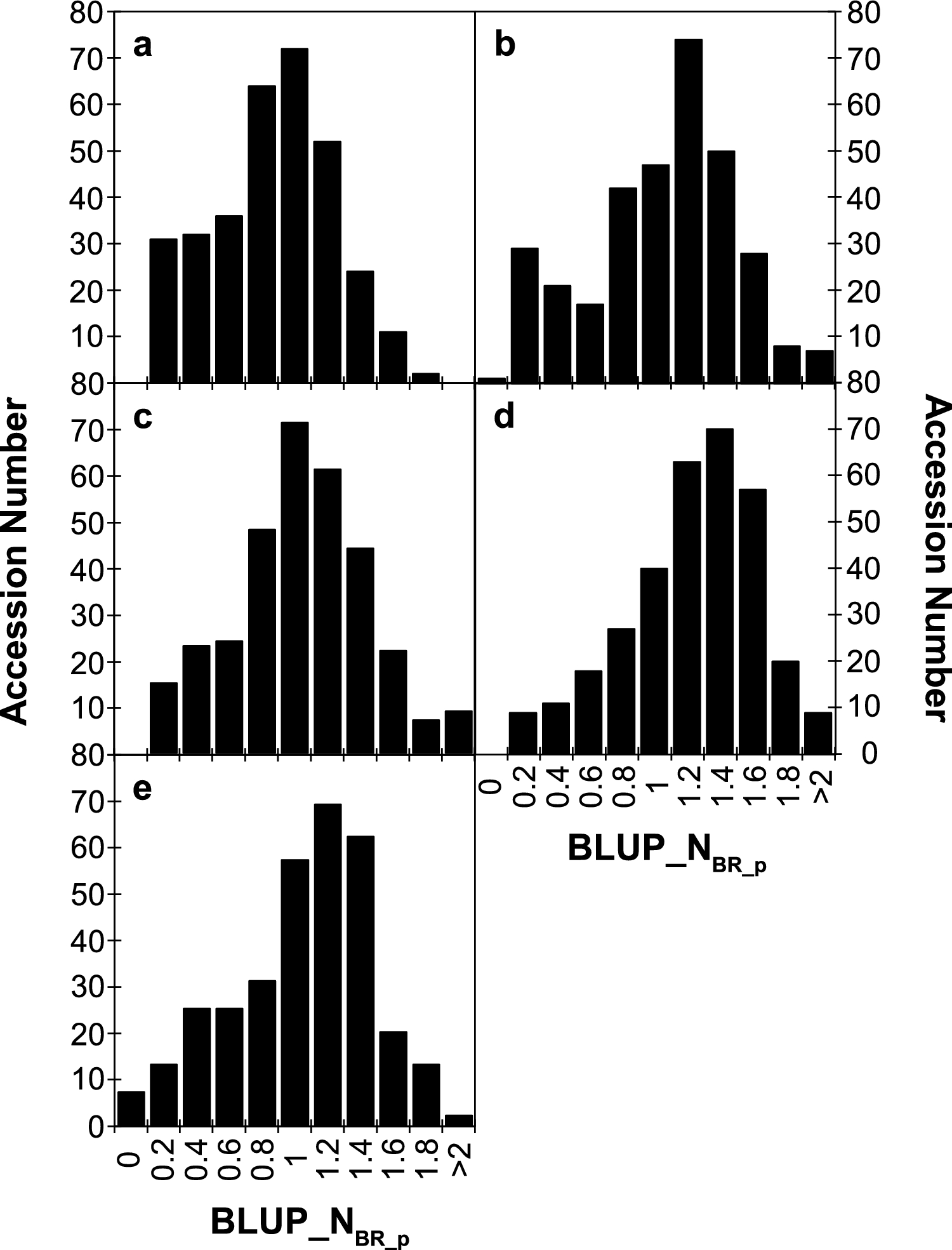

This study presents the first genome-wide association study (GWAS) for O. crenata resistance in pea. We genotyped 324 diverse pea accessions with DArT markers and phenotyped over four field seasons. Substantial phenotypic variation and environmental influence were observed, with wild Pisum fulvum and P. sativum subsp. elatius emerging as key resistance sources. GWAS identified 73 significant marker–trait associations, with Chromosome 5 as a major resistance hotspot. Several loci co-localized with previously reported QTLs, reinforcing their reliability. Interestingly, 24 candidate genes were linked to resistance, including those involved in vesicle trafficking, transcriptional regulation, and defense signaling (notably LRR receptor-like kinases). These findings deliver new genetic insights and molecular markers for breeding broomrape resistant pea cultivars. It also provide a foundation for functional candidate gene studies and advancing sustainable pea improvement for food security.
Note: Read more about this research in our recent article published in Theoretical and Applied Genetics.
https://link.springer.com/article/10.1007/s00122-025-05051-2

Follow the Topic
-
Theoretical and Applied Genetics
Theoretical and Applied Genetics focuses on modern plant genetics, genomics and biotechnology with significant impact on plant breeding.

Related Collections
With Collections, you can get published faster and increase your visibility.
Breeding for Improved Crop Quality
Crop quality attributes are a significant, and often difficult, target for plant improvement for food, feed and fibre crops. Modern plant improvement programs often focus primarily on yield and the delivery of productivity in the face of increasing biotic and abiotic stress challenges. However, there can be significant loss of new experimental genotypes toward the final years of long-term breeding programs when new lines do not meet minimal quality requirements for the market.
End-use quality has the potential to be difficult to select for, sometimes because the quality parameters are quite exacting, or in other cases, quite nebulous such as the case of taste, aroma and mouthfeel qualities for human consumers. Understanding and manipulating the underlying genetic variation and architecture of such traits is crucial to the delivery of better crops for human health, animal health and food security.
This Topical Collection will showcase some of the innovative approaches to enhance end-use qualities of grains, fruits, vegetables, fibres and forages, including the impact of G x E x M on product quality breeding. It will encompass genetic approaches (including biotechnological and genomic) to the improvement of qualities such as:
· Nutritional and health outcomes
· Processing qualities such as baking, noodle, and brewing
· Taste/appearance or market enhancing qualities
· Shelf-life and storage properties
· Feed and forage qualities
· Biomaterial/biofuel properties
Publishing Model: Hybrid
Deadline: Oct 31, 2026





Please sign in or register for FREE
If you are a registered user on Research Communities by Springer Nature, please sign in