Highlights of BMC Series - August 2026
Published in Healthcare & Nursing, Ecology & Evolution, and General & Internal Medicine



BMC Infectious Diseases – Longitudinal observation of persistent Long COVID symptoms and health-related quality of life in an adult German cohort

For many people, recovering from COVID-19 did not end with a negative test result. Months and even years later, some individuals continue to struggle with fatigue, brain fog, breathing difficulties, and other lingering symptoms that impact their daily lives. A recent study following adults in Germany sheds light on just how persistent Long COVID can be.
The findings highlight that while some symptoms improve over time, a significant number of people continue to experience health challenges that affect their quality of life. Tasks that once seemed routine, such as working, exercising, or concentrating for long periods, can become unexpectedly difficult.
What makes Long COVID particularly complex is that its effects extend beyond physical health. Persistent symptoms can influence emotional well-being, social interactions, and overall life satisfaction. The study underscores the importance of continued monitoring, support, and research for those living with the condition.
As the world moves further from the peak of the pandemic, Long COVID serves as a reminder that recovery is not always straightforward. Understanding its long-term impact is essential for building better care strategies and helping affected individuals reclaim their quality of life.
BMC Ecology and Evolution – Convergent carnivores or divergent dasyurids? Inferring predation and locomotor strategies of extant and extinct carnivorous marsupials from locomotor shape
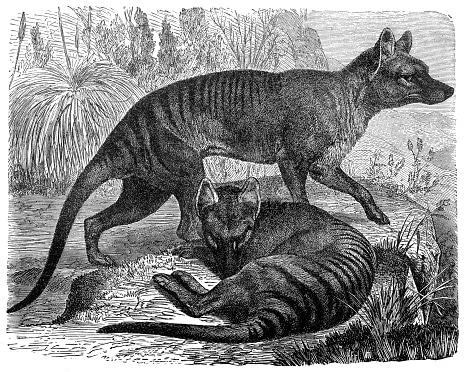
When we think of powerful predators, wolves, lions, and other placental mammals usually steal the spotlight. But long before many of today's iconic hunters dominated their ecosystems, carnivorous marsupials were carving out their own place in the food chain. A recent study from the Evolutionary Biomechanics Collection explores how both living and extinct carnivorous marsupials moved and hunted, offering fascinating clues about their lifestyles.
By examining the relationship between body shape and locomotion, researchers investigated whether these animals evolved in ways like modern carnivores or followed distinct evolutionary routes. The results reveal a complex story. Some marsupials developed traits that resemble those of other successful predators, while others retained unique anatomical features that reflected their own evolutionary history.
The findings highlight one of evolution's most intriguing lessons: similar challenges do not always lead to identical solutions. Animals can adapt to hunting, climbing, or chasing prey through remarkably different body designs.
Beyond uncovering the lives of long-lost species, the study reminds us that evolution is both innovative and unpredictable, continually shaping creatures in ways that challenge our assumptions about what makes a successful predator.
BMC Nursing – The guardians of personhood: a qualitative study of nurses’ perspective on person-centred care in the intensive care unit

Intensive care units run on protocols, routines, and precision. These systems save lives, create consistency, and help healthcare teams navigate complex situations. But what happens when the person behind the patient no longer fits neatly within those structures?
In The guardians of personhood: a qualitative study of nurses’ perspective on person-centered care in the intensive care unit, researchers explored how nurses in Austrian ICUs understand person-centered care. One phrase stood out: "breaking up the frames." Nurses used it to describe moments when established routines, though necessary, no longer served the needs of the individual in front of them. Instead of abandoning safe practice, they adapted care to accommodate the priorities, values, and circumstances of patients and their families.
The study offers a refreshing perspective. It does not present person-centered care as a rejection of protocols. Rather, it highlights the professional judgment required to recognize when a protocol has done its job and when deeper human understanding is needed.
This paper was also featured in
Research Roundup #1: Beyond Protocols and Prompts, which reflects how good care often begins where rules end and genuine attention to the individual starts. Read here: https://communities.springernature.com/posts/research-roundup-1-beyond-protocols-and-prompts.
BMC Geriatrics – Effects of an eight-week combined exercise program on functional and sarcopenia-related outcomes in institutionalized older adults with and without Alzheimer’s disease: a comparative intervention study

As we age, maintaining strength, mobility, and independence becomes increasingly important. For older adults living in care facilities, especially those with Alzheimer’s disease, staying physically active can be challenging. However, a recent study suggests that even a relatively short exercise program can make a meaningful difference. Effects of an eight-week combined exercise program on functional and sarcopenia-related outcomes in institutionalized older adults with and without Alzheimer’s disease: a comparative intervention study examined the impact of combining aerobic and resistance exercises over eight weeks.
The results were encouraging. Participants showed improvements in muscle strength, mobility, and nutritional status, with significant gains in quadriceps strength observed among both cognitively healthy older adults and those living with Alzheimer’s disease. These improvements are more than numbers on a chart; they can help support everyday activities, enhance confidence, and contribute to a better quality of life.
The study serves as a powerful reminder that it is never too late to benefit from movement. Even modest, structured exercise programs can help older adults remain stronger, more active, and more engaged with daily life. As populations continue to age, such evidence highlights the value of making physical activity a routine part of healthy ageing.
BMC Pregnancy and Childbirth – Unrecognized and unheard: Experiences of black mothers navigating the “good NICU mother” ideal across the preterm birth continuum
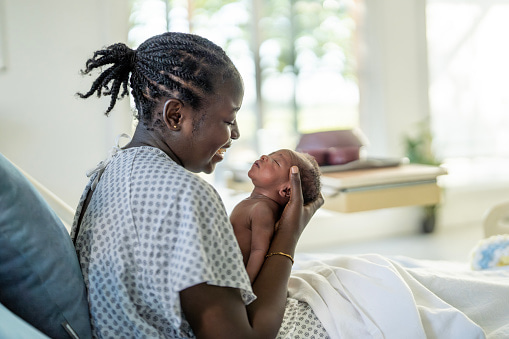
The birth of a premature baby can be one of the most emotionally challenging experiences a parent faces. For mothers whose newborns require care in a neonatal intensive care unit (NICU), the journey often involves balancing hope, fear, exhaustion, and the desire to do everything possible for their child. Yet a recent study suggests that some mothers carry an additional burden: navigating expectations about what a “good NICU mother” should look like.
In Unrecognized and unheard: Experiences of black mothers navigating the “good NICU mother” ideal across the preterm birth continuum. Researchers explored how Black mothers experienced pregnancy, preterm birth, and NICU care. Participants described feeling overlooked, misunderstood, or pressured to meet idealized expectations of motherhood while managing the realities of caring for a medically vulnerable infant.
The findings highlight the importance of listening to mothers’ voices and recognizing that supportive care extends beyond medical treatment. Families bring unique experiences, challenges, and strengths to the NICU, and their perspectives deserve to be acknowledged.
Ultimately, the study reminds us that compassionate healthcare is not just about caring for babies. It is also about ensuring that mothers feel seen, heard, and supported throughout their journey.
Together, these studies showcase the breadth of research being published across the BMC Series, highlighting how evidence can deepen our understanding of health, care, evolution, ageing, and human resilience while inspiring new questions for future research.

Follow the Topic
-
BMC Infectious Diseases
This journal is an open access, peer-reviewed journal that considers articles on all aspects of the prevention, diagnosis and management of infectious and sexually transmitted diseases in humans, as well as related molecular genetics, pathophysiology, and epidemiology.
-
BMC Nursing
This is an open access, peer-reviewed journal that considers articles on all aspects of evidence-based nursing care; nursing research methods; nursing service delivery, utilization, and evaluation; nursing administration and human resources.
-
BMC Geriatrics
BMC Geriatrics is an open access journal publishing original peer-reviewed research articles in all aspects of the health and healthcare of older people, including the effects of healthcare systems and policies.
-
BMC Ecology and Evolution
An open access, peer-reviewed journal interested in all aspects of ecological and evolutionary biology.
-
BMC Pregnancy & Childbirth
BMC Pregnancy and Childbirth is an open access, peer-reviewed journal that considers articles on all aspects of pregnancy and childbirth. It welcomes submissions on the biomedical aspects of pregnancy, breastfeeding, labor, maternal health trends and sociological aspects of pregnancy and childbirth.





Related Collections
With Collections, you can get published faster and increase your visibility.
Nighttime ecology and evolutionary adaptations to low-light environments
BMC Ecology and Evolution welcomes submissions of research exploring the remarkable adaptations and ecological dynamics that enable life to flourish in the dark and low light environments. Contributions will explore evolutionary adaptations such as sensory specialization (e.g., night vision, echolocation, bioluminescence, heat-sensitive pits, and specialized hairs) that allow organisms to navigate, forage, and communicate in low-light conditions from caves to the deep sea. The collection will also investigate behavioral and physiological mechanisms, including circadian rhythm adjustments and predator-prey interactions, that are essential for survival in nocturnal niches.
Submissions on the impact of anthropogenic influences, such as light pollution, on nocturnal ecosystems and biodiversity are encouraged. The Collection also welcomes research on nighttime bioacoustics and soundscapes, examining how sound is used to adapt to and shape nocturnal environments. Contributions discussing the role of citizen science in advancing our understanding of nighttime ecology are also encouraged.
Publishing Model: Open Access
Deadline: Nov 20, 2026
Evolution of disease: From pathogens to proliferating cells
Evolution of disease: From pathogens to proliferating cells is a special Collection that explores how evolutionary processes shape health and disease—from infectious microbes to cancerous cells. We invite research within the discipline of evolutionary medicine that examine how forces such as natural selection, genetic drift, host-pathogen coevolution, and environmental change contribute to disease susceptibility, resistance, and progression. We welcome submissions that deepen our understanding of disease as a dynamic outcome of evolutionary interactions.
Topics of research may include but are not limited to research which uses evolutionary principles to understand:
1. Pathogen evolution, resistance, and host interactions
•
The evolution of antibiotic, antiviral, antifungal, and antiparasitic resistance
•
Mechanisms of immune evasion, persistence, and transmission
•
Experimental evolution and molecular insights into pathogen adaptation
•
Host-pathogen coevolution and the impacts of medical or environmental interventions
•
Comparative host-pathogen dynamics across species
2. Evolutionary mismatch and modern disease
•
Evolutionary insights into metabolic disorders, autoimmune conditions and cancer
•
When a previously advantageous trait becomes maladaptive due to change in the environment
3. Evolution of cancer
•
Evolutionary and ecological models of cancer progression and resistance
•
Comparative oncology: insights from cancer-resistant and long-lived species
•
Somatic evolution, immune escape, and tumor heterogeneity
4. Genetic variation, adaptation, and disease susceptibility
•
Adaptive and maladaptive genetic variants in human and animal populations
•
Pleiotropy and trade-offs in immune function, metabolism, and reproduction
•
Population genetics, admixture, and the evolutionary roots of health inequality
5. Microbiome evolution and host symbiosis
•
Coevolution and community ecology of host-associated microbiota
•
Functional evolution in microbial genomes and implications for host health
•
Microbiome shifts due to modern environments, drugs, or host genetic factors
6. Viral evolution and endogenous elements
•
Evolutionary arms races between hosts and viruses
•
Evolution and function of endogenous viral elements in animal genomes
•
Phylogenomic approaches to uncover ancient viral influences on host evolution
7. Experimental and computational approaches
•
Experimental evolution in microbial or model systems
•
Genomics, phylogenomics, and systems biology in disease evolution
•
Machine learning and AI in evolutionary medicine research
Publishing Model: Open Access
Deadline: Dec 04, 2026