Highlights of the BMC Series April 2026
Published in Microbiology, Cell & Molecular Biology, and Computational Sciences






BMC Urology - Structured reporting of B-mode, color Doppler, and CEUS in testicular tumor assessment: a reader study with urologist ratings
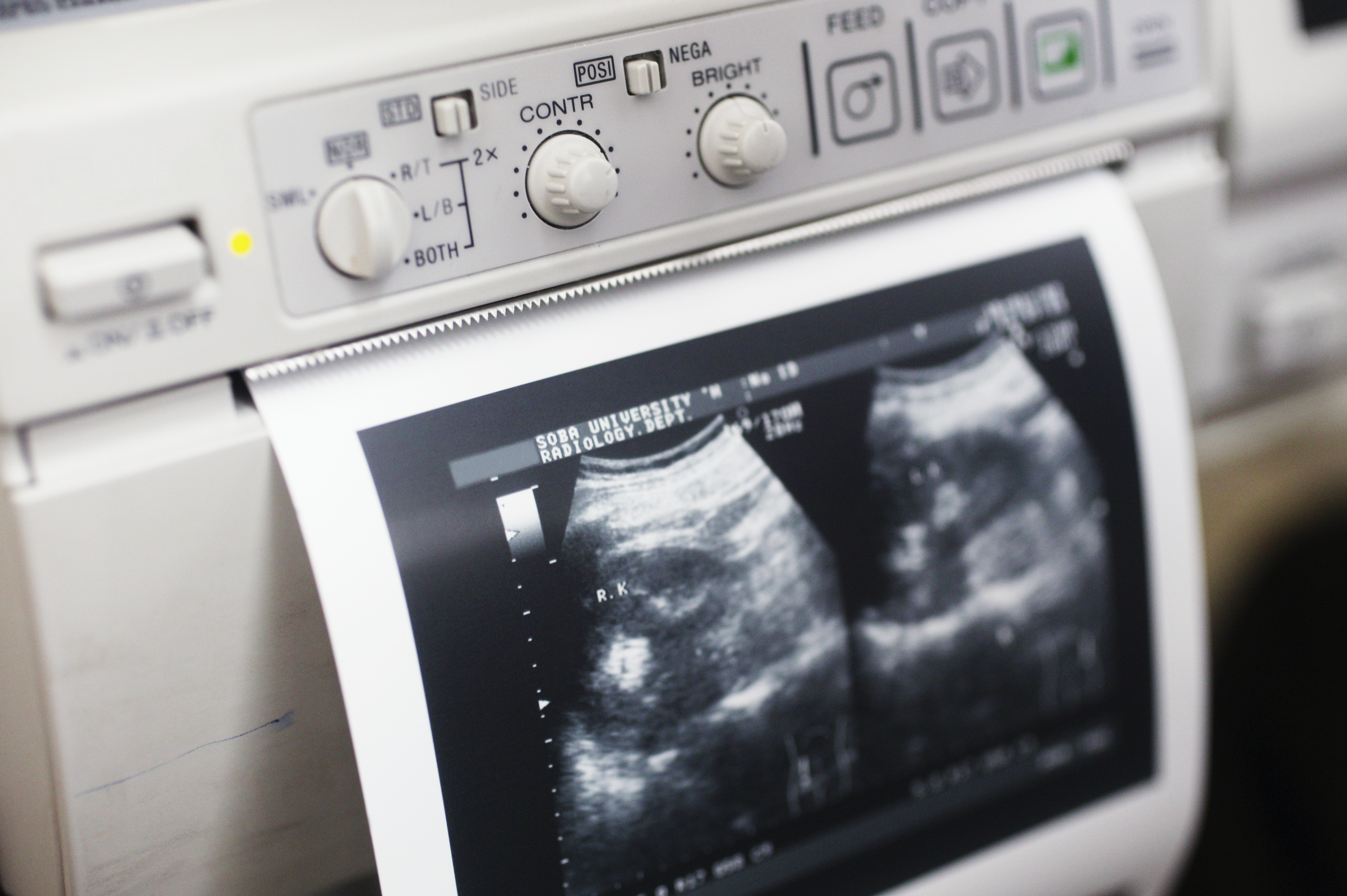
This study examines whether structured reporting (SR) improves the clinical usability of multiparametric ultrasound reports for testicular tumor assessment. The authors found that, compared with traditional free-text reporting (FTR), structured reports significantly improve readability (97% vs. 10%) and facilitated a more efficient information extraction (99% vs. 92%) for urologists.
However, the authors found that these gains in clarity do not translate into measurable improvements in report completeness or clinical decision-making, with both formats performing similarly in supporting diagnosis and treatment decisions. Additionally, clinician trust in structured reports was slightly lower, likely reflecting missing diagnostic elements and the retrospective generation of SR templates.
Overall, the authors concluded that while structured reporting enhances clarity, consistency, and accessibility, it does not yet outperform free-text reporting in terms of clinical impact. They emphasize that optimizing SR requires interdisciplinary collaboration and clinically tailored templates, as well as prospective validation in real-world workflows. This work highlights that improving radiology reporting is not solely about standardization, but about aligning structure with clinical relevance and completeness.
BMC Ecology and Evolution - Inter- and intraspecific morphometric divergences in a Seychelles endemic gecko genus
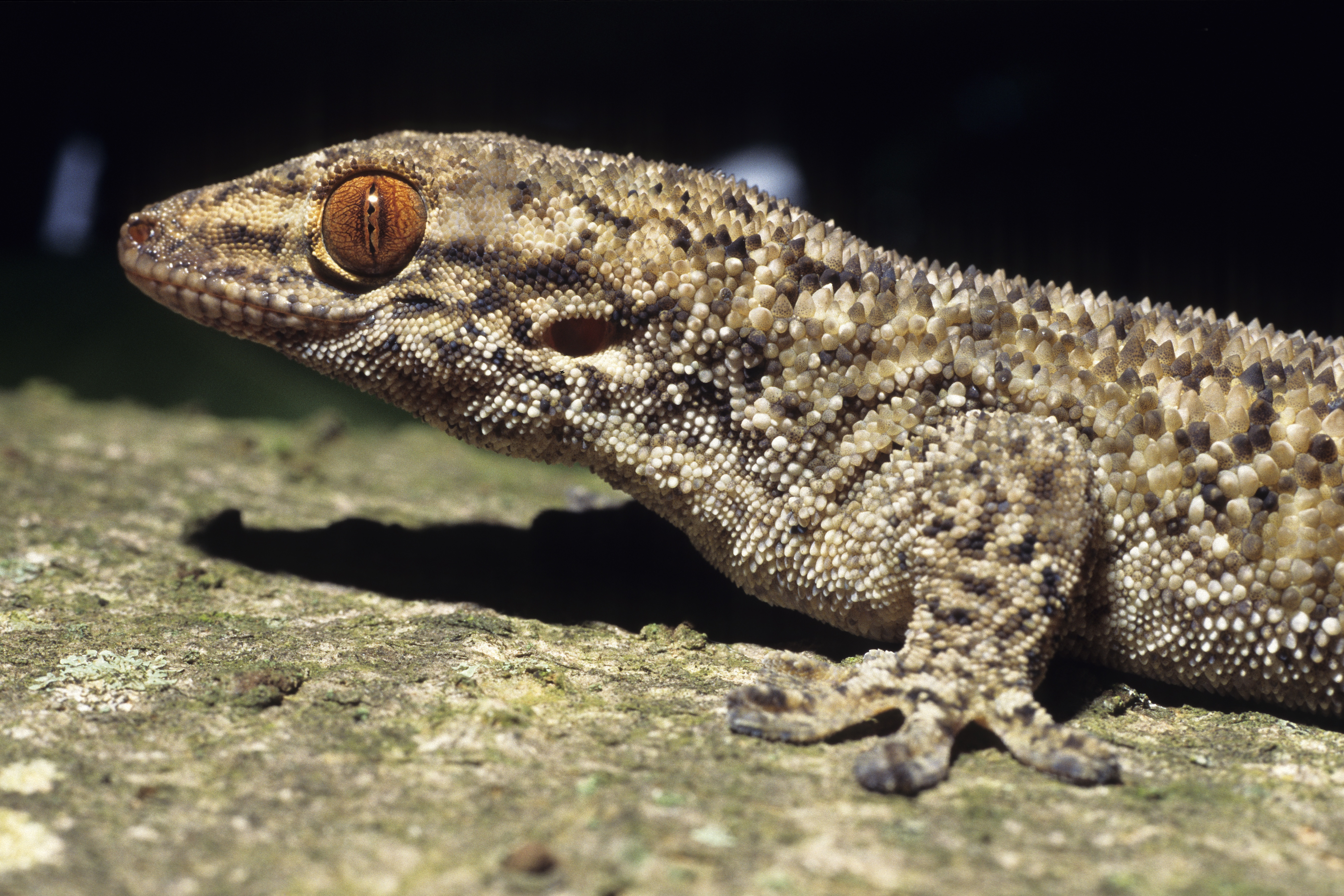
This study tackles a classic challenge in biodiversity science: how to distinguish species when physical differences are subtle or 'cryptic'. Focusing on Ailuronyx geckos from the Seychelles, the authors found that combining advanced 3D skull analysis with traditional body measurements can reveal clear patterns of hidden diversity.
The authors identified strong morphological differences between species, including striking contrasts in skull structure; most notably the heavily sculptured skull of A. trachygaster compared to the smooth skulls of related species. These differences extend to body traits such as head size, toe length, and mass, helping to refine species identification in a group where misclassification has been common.
However, the authors note that variation within species does not follow simple geographic patterns across the archipelago. Instead, most divergence occurs at the island or population level, suggesting that local ecological conditions, not broad regional separation, drive morphological evolution.
Overall, the study highlights how island systems generate fine-scale diversity and underscores the need for integrative approaches combining morphology and genetics. The authors argue that recognising these subtle distinctions is essential for effective conservation of island-endemic species.
BMC Genomics - Menstrual cycle-dependent expression of tRNA-derived fragments in healthy human endometrium and uterine fluid-derived extracellular vesicles
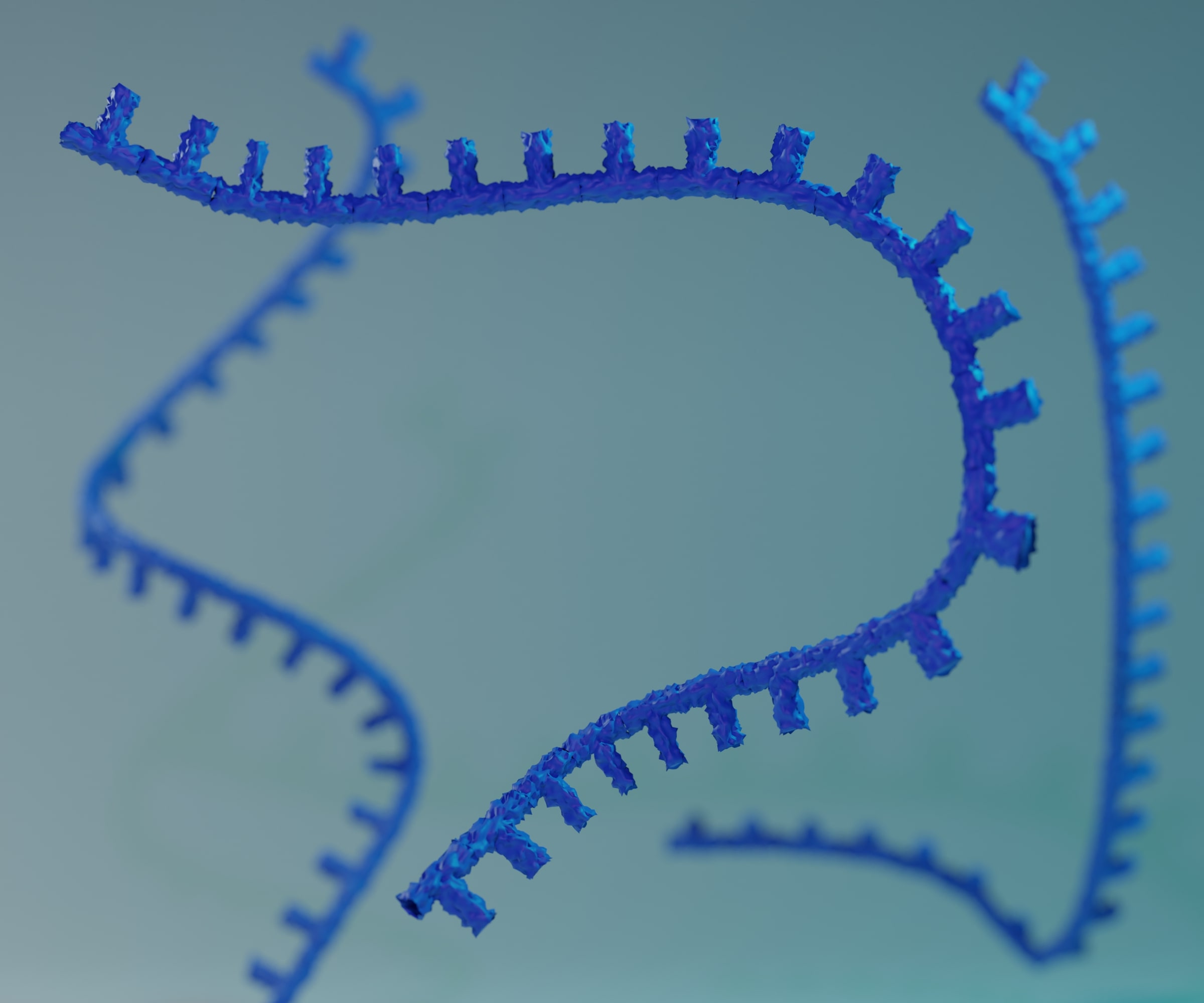
This study explores an emerging class of small regulatory RNAs, tRNA‑derived fragments (tRFs), and their role in the human endometrium across the menstrual cycle. The authors found that tRFs are not only present but show dynamic, phase‑specific expression patterns, varying between the proliferative and secretory phases of the cycle.
The authors highlighted that certain tRFs, particularly 5′ fragments derived from tRNA‑Val, are strongly upregulated during the early and mid‑secretory phases, the critical window for embryo implantation. This coordinated increase is observed both in endometrial tissue and in extracellular vesicles from uterine fluid, suggesting selective production and export of these molecules.
Importantly, the authors discovered evidence that extracellular vesicles mirror the tissue-level RNA profile but display selective enrichment of specific tRFs, supporting a role in intercellular communication within the reproductive tract.
Overall, the study highlights tRFs as previously underappreciated regulators of endometrial biology. The authors suggest these molecules may contribute to embryo–maternal signalling and endometrial receptivity, and could potentially serve as novel non-invasive biomarkers of fertility and implantation success.
BMC Geriatrics - Lessons learned from Canadian family physicians deprescribing medications in older adults – a five-year retrospective review of medico-legal cases

Polypharmacy remains a growing challenge in ageing populations, and this study takes a grounded look at how deprescribing actually unfolds in primary care. The authors found that, for Canadian family physicians, deprescribing is rarely a simple, guideline-driven decision. Instead, it is shaped by real-world complexities; balancing patient expectations, clinical uncertainty, and limited consultation time.
They highlight that physicians often feel caught between the risks of continuing medications and the potential harms or resistance associated with stopping them. Communication emerged as a central theme: the authors found that successful deprescribing depends heavily on trust and shared decision-making with patients and caregivers. At the same time, systemic barriers, such as fragmented care and lack of clear deprescribing frameworks, can slow progress.
Encouragingly, the authors also found opportunities for improvement. Better clinical guidance, enhanced interdisciplinary collaboration, and stronger system-level support could help clinicians feel more confident when initiating deprescribing conversations. Overall, the study reframes deprescribing not as a single action, but as an ongoing, patient-centred process embedded within everyday clinical practice.
BMC Infectious Diseases - Decision-support system for live detection of Leishmania parasites from microscopic images with deep learning
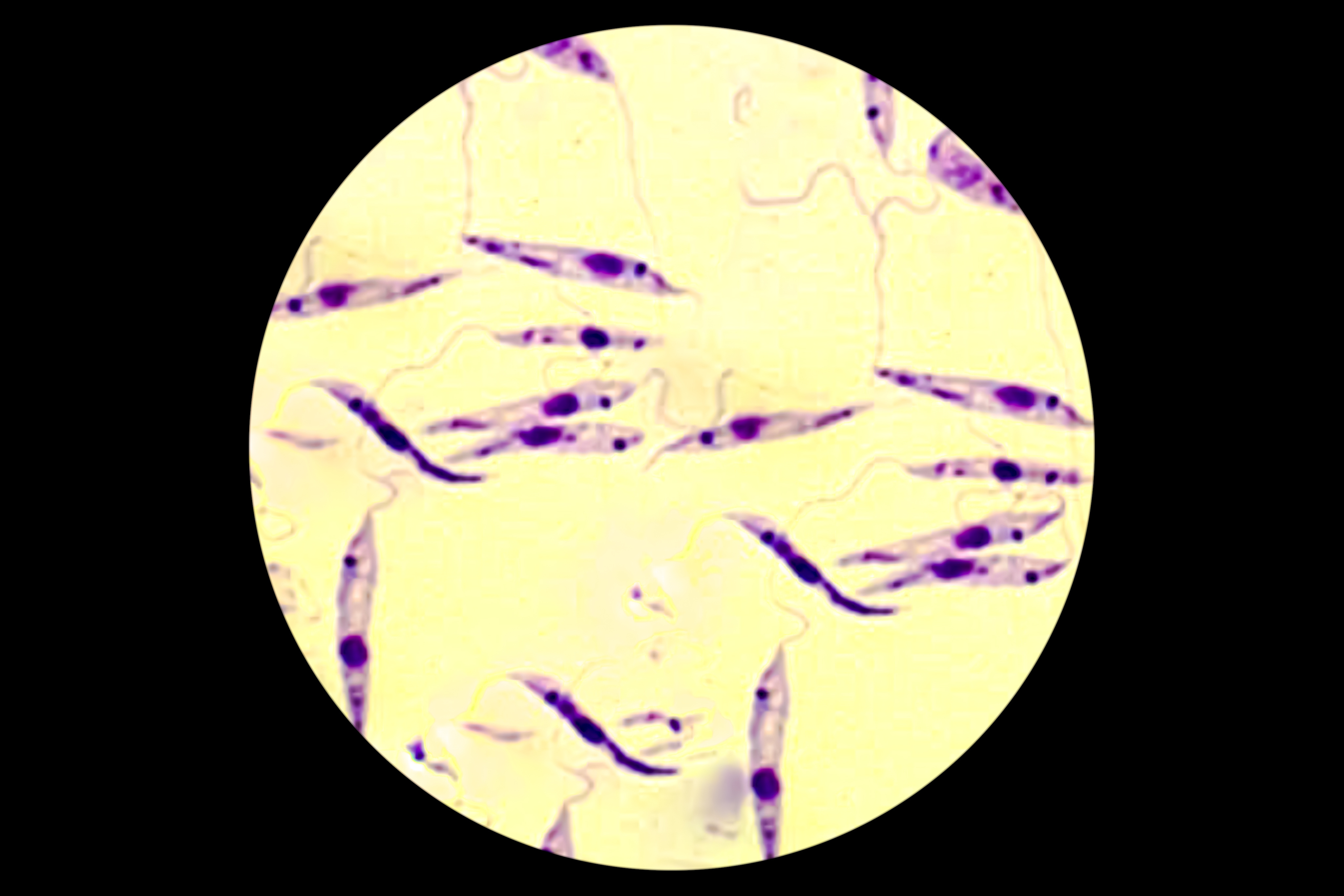
Diagnosing parasitic diseases like leishmaniasis remains a major challenge, especially in low-resource settings where specialist expertise is limited. In this study, the authors found that a deep learning–based approach could significantly improve how these infections are detected in practice. By training a YOLOv8 model on microscopic images of tissue samples, they demonstrated that automated detection of Leishmania parasites is not only feasible, but highly accurate.
Importantly, the authors found that combining images from both high-end laboratory microscopes and low-cost mobile devices enhanced the model’s performance, suggesting strong potential for real-world deployment. The system achieved around 91% accuracy, alongside high sensitivity and specificity, even when tested on previously unseen data.
Beyond the numbers, the study highlights a practical shift: the authors found that integrating this model into a user-friendly interface enables real-time, point-of-care decision support. This could empower non-experts to identify infections more reliably, particularly in endemic regions where diagnostic resources are scarce. Overall, the work points toward a future where AI-driven tools help bridge gaps in global infectious disease diagnostics.
Follow the Topic
-
BMC Infectious Diseases
This journal is an open access, peer-reviewed journal that considers articles on all aspects of the prevention, diagnosis and management of infectious and sexually transmitted diseases in humans, as well as related molecular genetics, pathophysiology, and epidemiology.
-
BMC Urology
This is an open access journal publishing original peer-reviewed research articles in all aspects of the prevention, diagnosis and management of urological disorders, as well as related molecular genetics, pathophysiology, and epidemiology.
-
BMC Geriatrics
BMC Geriatrics is an open access journal publishing original peer-reviewed research articles in all aspects of the health and healthcare of older people, including the effects of healthcare systems and policies.
-
BMC Ecology and Evolution
An open access, peer-reviewed journal interested in all aspects of ecological and evolutionary biology.
-
BMC Genomics
This is an open access, peer-reviewed journal that considers articles on all aspects of genetics, genomics and proteomics.





Related Collections
With Collections, you can get published faster and increase your visibility.
Evolution of disease: From pathogens to proliferating cells
Evolution of disease: From pathogens to proliferating cells is a special Collection that explores how evolutionary processes shape health and disease—from infectious microbes to cancerous cells. We invite research within the discipline of evolutionary medicine that examine how forces such as natural selection, genetic drift, host-pathogen coevolution, and environmental change contribute to disease susceptibility, resistance, and progression. We welcome submissions that deepen our understanding of disease as a dynamic outcome of evolutionary interactions.
Topics of research may include but are not limited to research which uses evolutionary principles to understand:
1. Pathogen evolution, resistance, and host interactions
•
The evolution of antibiotic, antiviral, antifungal, and antiparasitic resistance
•
Mechanisms of immune evasion, persistence, and transmission
•
Experimental evolution and molecular insights into pathogen adaptation
•
Host-pathogen coevolution and the impacts of medical or environmental interventions
•
Comparative host-pathogen dynamics across species
2. Evolutionary mismatch and modern disease
•
Evolutionary insights into metabolic disorders, autoimmune conditions and cancer
•
When a previously advantageous trait becomes maladaptive due to change in the environment
3. Evolution of cancer
•
Evolutionary and ecological models of cancer progression and resistance
•
Comparative oncology: insights from cancer-resistant and long-lived species
•
Somatic evolution, immune escape, and tumor heterogeneity
4. Genetic variation, adaptation, and disease susceptibility
•
Adaptive and maladaptive genetic variants in human and animal populations
•
Pleiotropy and trade-offs in immune function, metabolism, and reproduction
•
Population genetics, admixture, and the evolutionary roots of health inequality
5. Microbiome evolution and host symbiosis
•
Coevolution and community ecology of host-associated microbiota
•
Functional evolution in microbial genomes and implications for host health
•
Microbiome shifts due to modern environments, drugs, or host genetic factors
6. Viral evolution and endogenous elements
•
Evolutionary arms races between hosts and viruses
•
Evolution and function of endogenous viral elements in animal genomes
•
Phylogenomic approaches to uncover ancient viral influences on host evolution
7. Experimental and computational approaches
•
Experimental evolution in microbial or model systems
•
Genomics, phylogenomics, and systems biology in disease evolution
•
Machine learning and AI in evolutionary medicine research
Publishing Model: Open Access
Deadline: Dec 04, 2026
Nighttime ecology and evolutionary adaptations to low-light environments
BMC Ecology and Evolution welcomes submissions of research exploring the remarkable adaptations and ecological dynamics that enable life to flourish in the dark and low light environments. Contributions will explore evolutionary adaptations such as sensory specialization (e.g., night vision, echolocation, bioluminescence, heat-sensitive pits, and specialized hairs) that allow organisms to navigate, forage, and communicate in low-light conditions from caves to the deep sea. The collection will also investigate behavioral and physiological mechanisms, including circadian rhythm adjustments and predator-prey interactions, that are essential for survival in nocturnal niches.
Submissions on the impact of anthropogenic influences, such as light pollution, on nocturnal ecosystems and biodiversity are encouraged. The Collection also welcomes research on nighttime bioacoustics and soundscapes, examining how sound is used to adapt to and shape nocturnal environments. Contributions discussing the role of citizen science in advancing our understanding of nighttime ecology are also encouraged.
Publishing Model: Open Access
Deadline: Nov 20, 2026