Highlights of the BMC Series – July 2025
Published in Healthcare & Nursing, Ecology & Evolution, and Protocols & Methods





BMC Ecology and Evolution - Evolutionary insights into Na+/K+-ATPase-mediated toxin resistance in the Crested Serpent-eagle preying on introduced cane toads in Okinawa, Japan
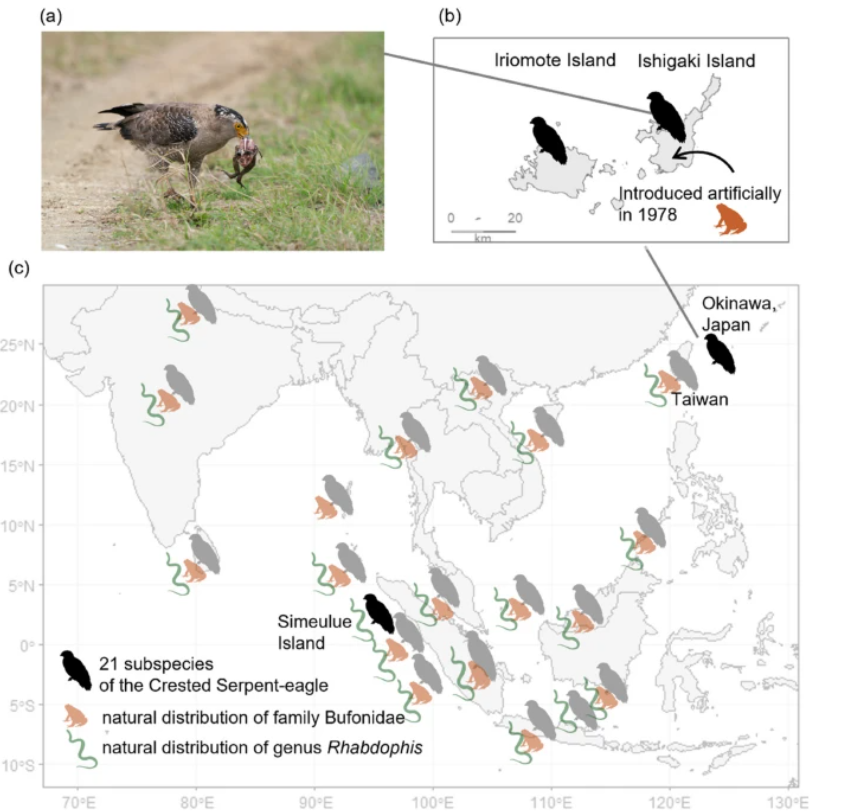
Crested Serpent-eagles on the Japanese islands of Ishigaki and Iriomote prey on cane toads (Rhinella marina), which defend themselves by secreting cardiotonic steroids. However, these eagles appear unaffected by the toads’ toxins, raising questions about whether they have evolved resistance to cardiotonic steroids.
A recent study published in BMC Ecology and Evolution explores, for the first time, the genetic population structure of Crested Serpent-eagles on Ishigaki and Iriomote Islands. The aim was to determine whether the two island populations are genetically distinct and whether they show genetic signatures associated with resistance to cardiotonic steroids. The researchers also investigated the evolutionary history of potential toxin resistance, focusing on the ATP1A1 gene, which encodes a sodium-potassium pump protein—a known target of these toxins. Mutations in this gene have been linked to toxin resistance in other vertebrates.
Whole-genome resequencing revealed that the Ishigaki and Iriomote eagle populations are genetically distinct, and that the Crested Serpent-eagle carries specific substitutions in the ATP1A1 gene which may confer toxin resistance. This potential resistance appears to have been maintained throughout the species’ evolutionary history.
Furthermore, the closely related Black-chested Snake Eagle shares a similar ATP1A1 gene sequence, suggesting that natural selection may have shaped this trait within their lineage.
However, a lack of genetic, molecular, and dietary data on raptors currently limits a full understanding of the evolutionary origins of toxin resistance. The study concludes that further research is needed to clarify the mechanisms underlying toxin resistance in the Crested Serpent-eagle.
BMC Oral Health - Early-life snack and drink consumption patterns among children: findings from a U.S. birth cohort study
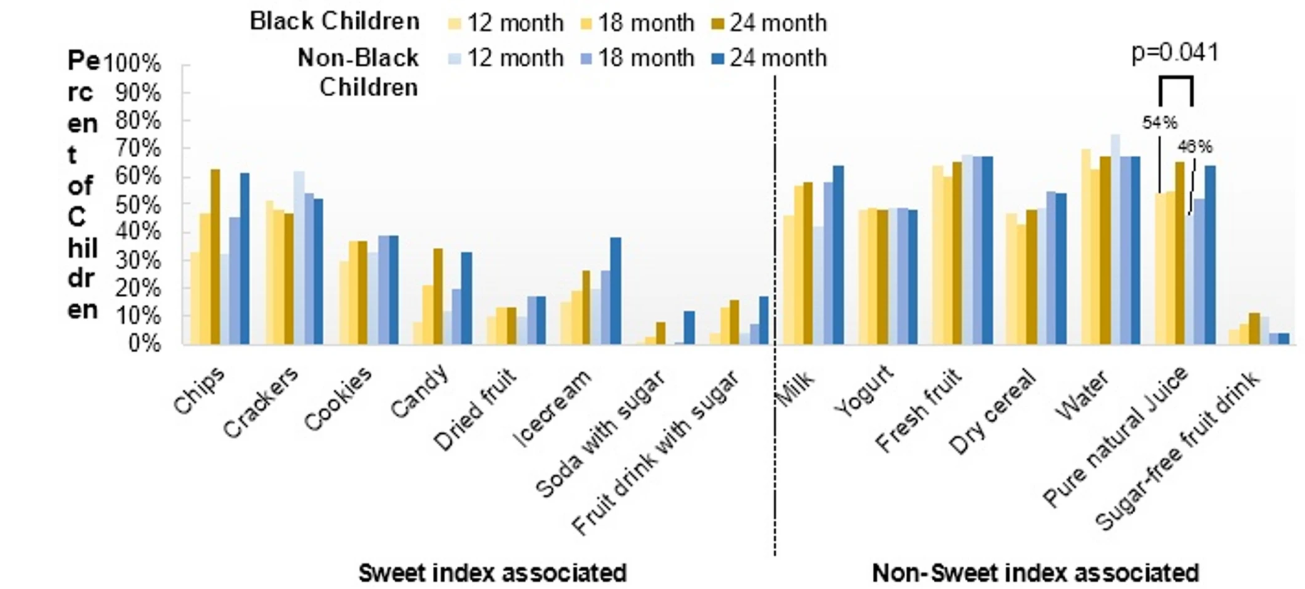
Early childhood diets play a crucial role in long-term oral health, with children from low-income and racially minoritised backgrounds in the U.S. experiencing higher rates of early childhood caries (ECC), often due to frequent consumption of sugary drinks and processed snacks. While it is well established that diet contributes to ECC, key questions remain about how specific snacking and drinking habits influence risk during the earliest years of life.
A recent study published in BMC Oral Health examines dietary patterns during the first two years of life among underserved birth cohorts, with the aim of better understanding these links and informing more targeted, evidence-based strategies to improve oral health equity. To achieve this, researchers analysed a birth cohort of 127 Medicaid-eligible children aged 1 to 2 years, recruited from two university-affiliated clinics in Upstate New York. Parents completed structured dietary questionnaires when their children were 12, 18, and 24 months old, allowing researchers to track the types of snacks and drinks consumed.
Snacks were grouped based on their cavity-causing potential, and Latent Class Analysis (LCA) was used to identify common patterns in snack and drink consumption and to explore how these patterns related to early signs of tooth decay.
The study found that young children from underserved communities exhibit diverse snack and drink consumption behaviours. However, despite identifying distinct dietary patterns, no significant association was observed between these patterns and the onset of ECC—highlighting the multifactorial nature of the condition.
BMC Health Services Research - The meaning of ‘quality’ of homecare for older people: a scoping review
Formal homecare—delivered by paid care workers under regulated systems—plays a vital role in helping older adults live independently in their own homes. These services support daily activities such as washing, cooking, and shopping, and may also extend to helping individuals stay connected with their communities. Unlike unpaid care from family or friends, formal homecare can also indirectly support informal caregivers by easing their burden and helping to sustain crucial care networks.
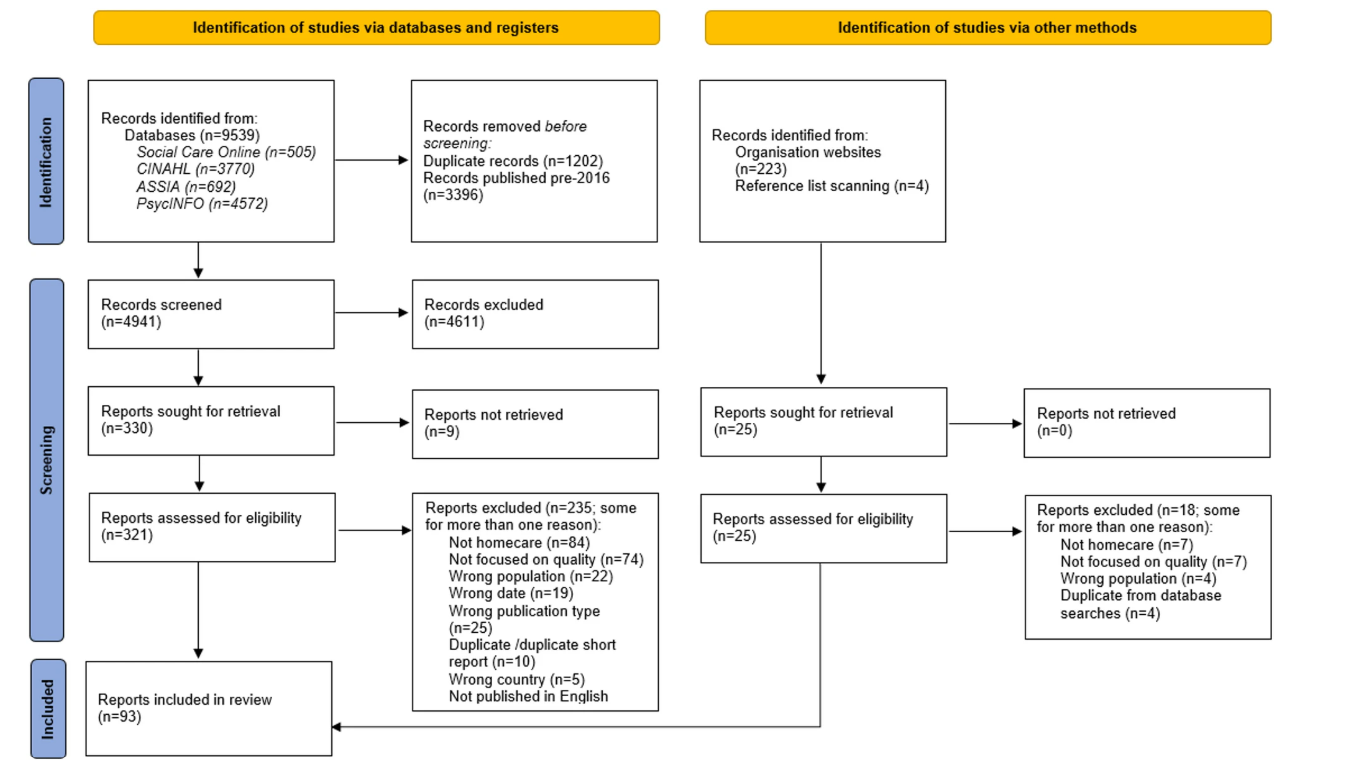
This scoping review, published in BMC Health Services Research, analysed 93 articles from 16 high-income countries to explore how different stakeholders understand the concept of ‘quality’ in homecare for older people. It highlighted both shared and differing perspectives, and identified the qualitative and quantitative measures used to assess quality.
The review found strong agreement across countries and stakeholder groups on the meaning of quality in homecare. Quality is widely seen as a multi-dimensional concept, with particular emphasis on personal relationships and services tailored to individual needs. However, despite recognition of the importance of data in shaping and measuring quality, there is still uncertainty about what types of data should be collected and how best to use them.
To improve care delivery, the authors recommend the development of an internationally agreed, multi-dimensional framework for measuring homecare quality—one that reflects the views of multiple stakeholders while keeping the burden on providers and families manageable.
BMC Methods - Integrated protocol for single-cell RNA sequencing, organoid culture, and RNA-protein spatial analysis in gastroesophageal tissues
The gastroesophageal tract—which includes the esophagus, gastroesophageal junction (GEJ), and stomach—plays a vital role in digestive health. Disruptions in its cellular and molecular composition can lead to a range of conditions, including gastroesophageal reflux, infection-related inflammation, Barrett’s esophagus, and even cancer. A clear understanding of tissue development and homeostasis is therefore essential to uncover the mechanisms underlying these diseases.
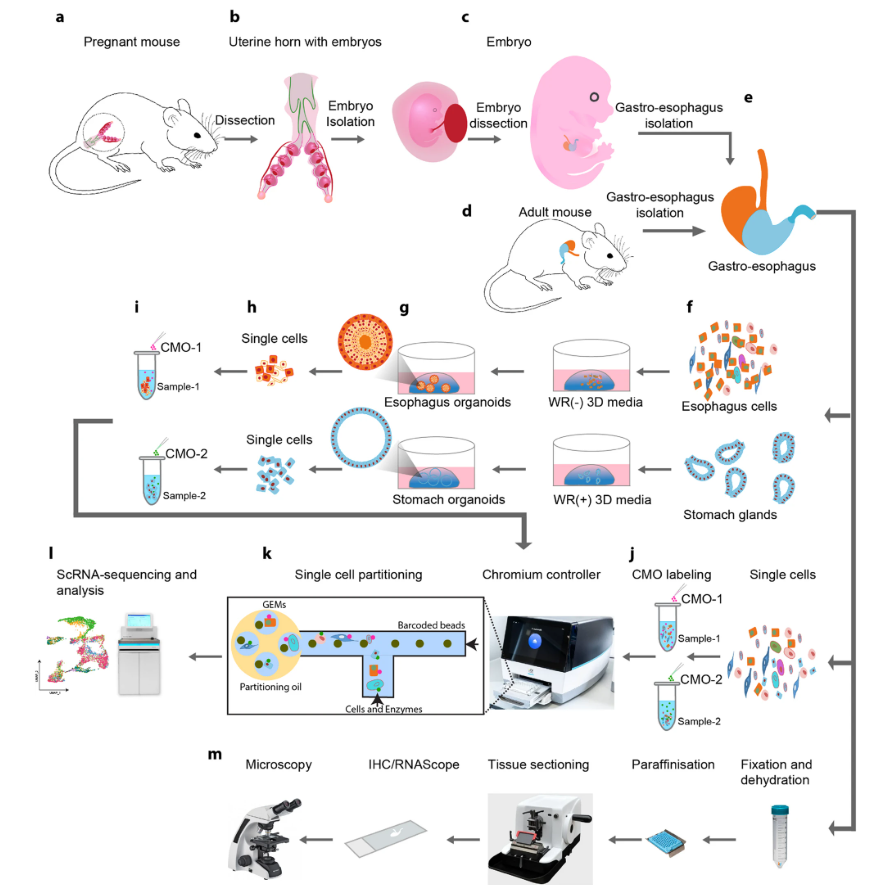
A recent study published in BMC Methods presents a high-quality, integrated protocol that allows researchers to isolate single cells from mouse gastroesophageal tissues—ranging from early embryonic stages to adulthood. This approach enables high-resolution single-cell RNA sequencing (scRNA-seq), offering detailed insight into gene expression and cellular heterogeneity.
In addition to sequencing, the authors describe a method for generating 3D organoids from adult epithelial stem cells. These organoids closely mimic real tissue architecture, making them valuable models for studying development and disease. The study also introduces a spatial analysis workflow that combines single-molecule RNA in situ hybridisation with immunofluorescence, allowing researchers to simultaneously visualise gene activity and protein expression within intact tissue sections.
Together, these tools provide a powerful platform for investigating cellular dynamics, tissue architecture, and disease mechanisms in the gastroesophageal tract.
BMC Artificial Intelligence - Inconsistency detection in cancer data classification using explainable-AI
Accurate classification of cancer-related textual data is essential for enabling timely diagnosis and treatment. However, many existing classification methods lack clarity due to data inconsistencies and mislabelling, making it difficult to analyse prediction errors. In addition, manual error analysis is often time-consuming and prone to mistakes.
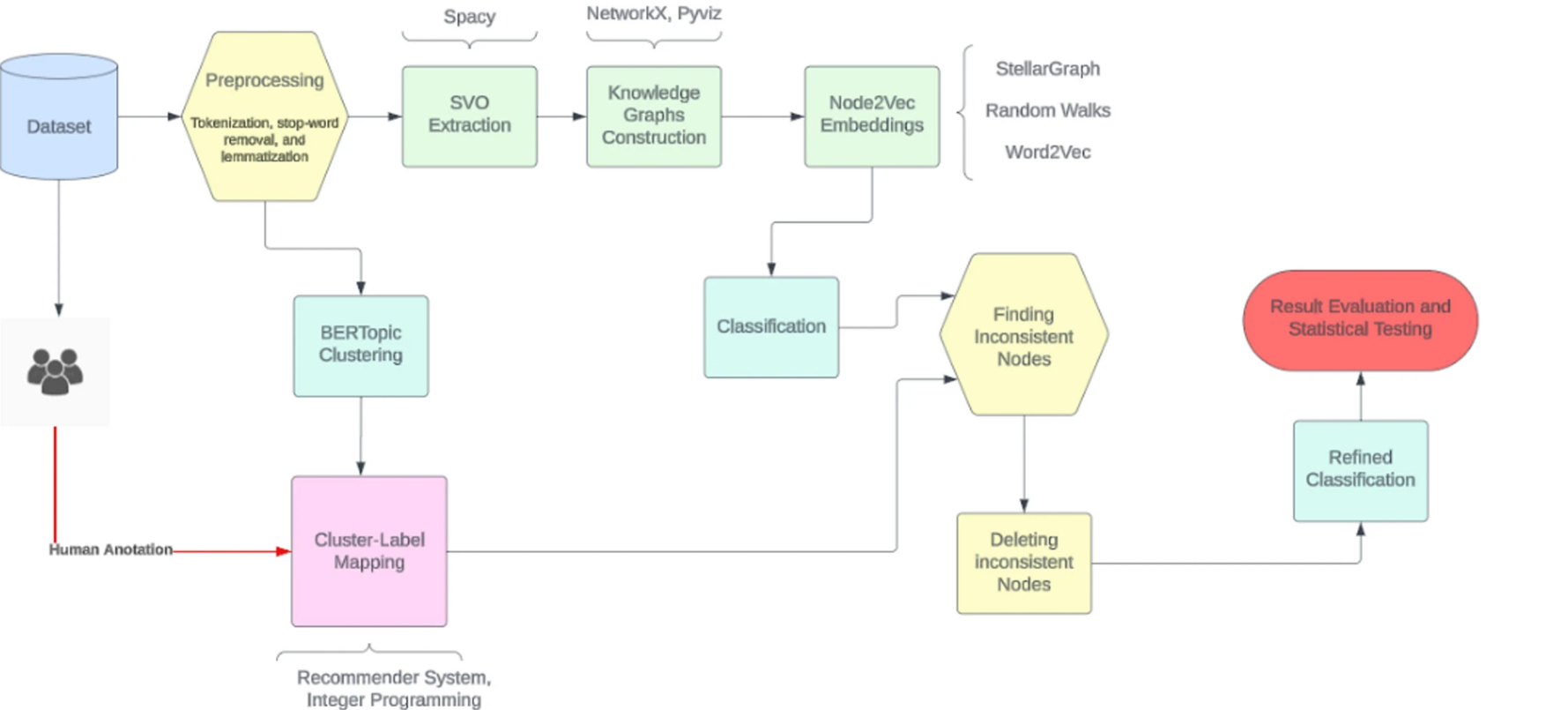
To address these challenges and systematically identify and analyse errors, a study published in BMC Artificial Intelligence developed and employed explainable AI techniques. The researchers designed a dual-perspective approach that combines two key components: unsupervised semantic clustering and supervised classification.
On one hand, BERTopic (unsupervised clustering) groups texts based on their underlying meaning. On the other, a support vector machine – SVM (supervised classification) classifier uses graph-based embeddings (via Node2Vec) to analyse structural relationships within the data.
The framework also incorporates an Explainable Inconsistency Detection (EID) module, which identifies and eliminates outlier nodes through targeted feature refinement. To enhance the accuracy of label assignments, a collaborative filtering recommender system aligns clusters with the most likely correct labels. Finally, the model’s performance improvements are validated using robust statistical tests.
When tested on cancer datasets, the approach led to notable improvements. Classification accuracy increased from 46% to 91%, and the F1-score rose from 50% to 89%. Importantly, statistical analysis showed that these improvements weren’t due to random data removal but to the targeted identification and exclusion of problematic data points. This work offers valuable insight by combining semantic clustering with structural classification and enhancing explainability through the EID framework.

Didem joined the BMC series in August 2022. She holds an MSc in Bionanotechnology from the University of Sheffield and completed her PhD with an award of Research Excellence in a joint project between Food Science, Nutrition and Chemistry departments from the University of Leeds. Coming from a multidisciplinary research background in life sciences, she also worked as a postdoctoral researcher in the Clinical Allergy and Immunology department at Imperial College London. She is passionate about serving the scientific community as an editor and supports openness and transparency in research publishing. Didem is based at the London office.
Follow the Topic
-
BMC Health Services Research
An open access, peer-reviewed journal that considers articles on all aspects of health services research, focusing on digital health, governance, policy, system quality and safety, delivery and access, financing and economics, implementing reform, and the workforce.
-
BMC Oral Health
This is an open access, peer-reviewed journal that considers articles on all aspects of the prevention, diagnosis and management of disorders of the mouth, teeth and gums, as well as related molecular genetics, pathophysiology, and epidemiology.
-
BMC Ecology and Evolution
An open access, peer-reviewed journal interested in all aspects of ecological and evolutionary biology.
-
BMC Methods
An open-access, peer-reviewed journal that focuses on publishing lab protocols and methodology papers in the natural sciences; including biology, chemistry, physics, computational and biomedical sciences.




Related Collections
With Collections, you can get published faster and increase your visibility.
Evolution of disease: From pathogens to proliferating cells
Evolution of disease: From pathogens to proliferating cells is a special Collection that explores how evolutionary processes shape health and disease—from infectious microbes to cancerous cells. We invite research within the discipline of evolutionary medicine that examine how forces such as natural selection, genetic drift, host-pathogen coevolution, and environmental change contribute to disease susceptibility, resistance, and progression. We welcome submissions that deepen our understanding of disease as a dynamic outcome of evolutionary interactions.
Topics of research may include but are not limited to research which uses evolutionary principles to understand:
1. Pathogen evolution, resistance, and host interactions
•
The evolution of antibiotic, antiviral, antifungal, and antiparasitic resistance
•
Mechanisms of immune evasion, persistence, and transmission
•
Experimental evolution and molecular insights into pathogen adaptation
•
Host-pathogen coevolution and the impacts of medical or environmental interventions
•
Comparative host-pathogen dynamics across species
2. Evolutionary mismatch and modern disease
•
Evolutionary insights into metabolic disorders, autoimmune conditions and cancer
•
When a previously advantageous trait becomes maladaptive due to change in the environment
3. Evolution of cancer
•
Evolutionary and ecological models of cancer progression and resistance
•
Comparative oncology: insights from cancer-resistant and long-lived species
•
Somatic evolution, immune escape, and tumor heterogeneity
4. Genetic variation, adaptation, and disease susceptibility
•
Adaptive and maladaptive genetic variants in human and animal populations
•
Pleiotropy and trade-offs in immune function, metabolism, and reproduction
•
Population genetics, admixture, and the evolutionary roots of health inequality
5. Microbiome evolution and host symbiosis
•
Coevolution and community ecology of host-associated microbiota
•
Functional evolution in microbial genomes and implications for host health
•
Microbiome shifts due to modern environments, drugs, or host genetic factors
6. Viral evolution and endogenous elements
•
Evolutionary arms races between hosts and viruses
•
Evolution and function of endogenous viral elements in animal genomes
•
Phylogenomic approaches to uncover ancient viral influences on host evolution
7. Experimental and computational approaches
•
Experimental evolution in microbial or model systems
•
Genomics, phylogenomics, and systems biology in disease evolution
•
Machine learning and AI in evolutionary medicine research
Publishing Model: Open Access
Deadline: Dec 04, 2026
Nighttime ecology and evolutionary adaptations to low-light environments
BMC Ecology and Evolution welcomes submissions of research exploring the remarkable adaptations and ecological dynamics that enable life to flourish in the dark and low light environments. Contributions will explore evolutionary adaptations such as sensory specialization (e.g., night vision, echolocation, bioluminescence, heat-sensitive pits, and specialized hairs) that allow organisms to navigate, forage, and communicate in low-light conditions from caves to the deep sea. The collection will also investigate behavioral and physiological mechanisms, including circadian rhythm adjustments and predator-prey interactions, that are essential for survival in nocturnal niches.
Submissions on the impact of anthropogenic influences, such as light pollution, on nocturnal ecosystems and biodiversity are encouraged. The Collection also welcomes research on nighttime bioacoustics and soundscapes, examining how sound is used to adapt to and shape nocturnal environments. Contributions discussing the role of citizen science in advancing our understanding of nighttime ecology are also encouraged.
Publishing Model: Open Access
Deadline: Nov 20, 2026