.jpg)
Highlights of the BMC Series - March 2026
What can fossils reveal about the life of an early saber‑toothed cat? Can female resistance drive speciation events in fish? How do racetrack surfaces affect equine musculoskeletal health? Is AMA1 a viable vaccine target in Plasmodium malariae? Does poor sleep raise heart attack and stroke risk?
Published in Ecology & Evolution and General & Internal Medicine

.jpg)
BMC Zoology - On the origins of the sabre-toothed felid model: functional anatomy of the hindlimb in Promegantereon ogygia (Felidae, Machairodontinae, Smilodontini) from the Late Miocene of Batallones-1 (Madrid, Spain)
Fossil evidence described in BMC Zoology provides a glimpse into the life of an early saber-toothed cat known as Promegantereon ogygia, which lived 9 to 10 million years ago. By comparing its hindlimb anatomy with modern cats and other extinct saber-toothed species, the researchers examine how P. ogygia may have moved and hunted.
Although P. ogygia had already evolved specialised forelimbs suited to the classic saber-toothed hunting strategy of ambushing prey and delivering a powerful downward stab with elongated canines, its hindlimbs retained more primitive traits. These features resemble those of Proailurus lemanensis, an early felid that lived about 30 million years ago and likely resembled a civet, with retractable claws adapted for climbing trees. Therefore, the authors suggest that the primitive hindlimbs of P. ogygia indicate good climbing ability consistent with living in a wooded habitat.
Overall, the fossil evidence suggests that P. ogygia was built for strength rather than speed. Its robust limb bones indicate powerful musculature but a limited capacity for endurance running. Instead of chasing prey over long distances, it likely relied on ambush tactics and short bursts of speed to capture its prey.
This manuscript is part of the Bringing fossils back to life Collection.

BMC Ecology and Evolution - Divergent ecological adaptation in allopatry leads to behavioral isolation through female resistance
A study in BMC Ecology and Evolution shows that female resistance, not just mate choice, drives reproductive isolation in Bahamas mosquitofish. Females are more aggressive to males from other populations, reducing fertilisation and gene flow. The researchers studied Gambusia hubbsi, a small fish that lives in isolated underwater caves on Andros Island in the Bahamas. Some caves contain large predatory fish, while others are predator free. Over time, mosquitofish populations have independently adapted to these contrasting environments.
To test how these differences affect reproduction, scientists brought fish from different caves into the laboratory and observed one-on-one mating encounters. Females behaved very differently depending on the male they encountered. They reacted more quickly and aggressively towards males from other populations, especially those adapted to a different level of predation risk. In rare cases, females even injured or killed the male.
Males responded by making more mating attempts, but this persistence did not improve their chances. Pairs from different environments had much lower fertilisation success than pairs from the same environment.
The study shows that female resistance can reduce gene flow between populations, potentially helping to drive the formation of new species.

BMC Veterinary Research - The influence of dirt track hardness on equine limb acceleration and impact attenuation
Research published in BMC Veterinary Research shows that harder dirt racetrack surfaces increase the impact forces experienced by galloping horses. These additional loads are not absorbed by the lower limbs, which may elevate the risk of injury.
In the study, researchers fitted twelve Thoroughbreds with accelerometers on their hooves and cannon bones to examine how the hardness of dirt racetracks affects force transmission in a racehorse's forelimbs during high-speed gallops. The horses galloped on a dirt track that was prepared with varying depths of cushion, compaction, and moisture, ranging from soft to very firm.
Harder dirt surfaces led to increased impact accelerations in the horses’ legs. Compared to the softest conditions, medium and hard surfaces resulted in peak cannon bone accelerations that were 16% to 55% higher, and increased hoof impact acceleration by about 19%. Interestingly, the impacts were not more effectively absorbed between the hoof and the cannon bone as the surface hardness increased. Regardless of the surface hardness, the amount of impact absorbed between the hoof and cannon bone remained consistent. This suggests that the extra force exerted on harder tracks travels up the limb, potentially increasing the risk of bone and tendon fatigue.
To help address the need for research in this area to improve the performance and health of equine atheletes, BMC Veterinary Research has launched a new call for papers on Equine Locomotion and Musculoskeletal Health: From Function to Dysfunction.
Plasmodium malariae (P. malariae) is the least studied of the five malaria parasites that infect humans. Apical membrane antigen 1 (AMA 1) is a protein on the parasite’s surface that helps it enter blood cells. Because antibodies against AMA 1 can block this, the protein is of interest as a potential vaccine target, making it important to understand how much AMA 1 varies between parasites.
Research published in BMC Infectious Diseases analysed blood samples from 95 patients during a large outbreak in Vietnam, comparing genetic polymorphisms in AMA-1 with sequences from other Southeast Asian regions. The study found low genetic diversity in AMA-1, with differences primarily in Domains I and II, regions exposed on the surface and targeted by the immune system, suggesting that immune pressure influences variation. In contrast, Domain III, which has a structural role, showed no variation, indicating that changes here could impair protein function and are therefore eliminated by natural selection.
The samples collected in Vietnam also exhibited lower diversity compared to those from other Southeast Asian regions, likely due to the outbreak-restricted sampling. Overall, the findings indicate that AMA-1 in P. malariae is mostly stable, with only limited variation in immune-targeted areas. This stability and targeted variation elucidate the parasite's survival strategy and underscore AMA-1’s potential as a vaccine candidate, while also emphasizing the need for broader sampling beyond isolated outbreaks.
BMC Cardiovascular Disorders -
Sleep timing irregularity in midlife: association with incident major adverse cardiac events and cardiovascular disease mortality over a 10-year follow-up
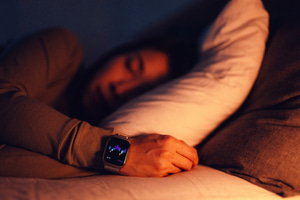
Research published in BMC Cardiovascular Disorders investigates whether keeping irregular sleep schedules in midlife is linked to future cardiovascular events. Using wrist-worn activity monitor data from the Northern Finland Birth Cohort 1966, the study followed more than 3,200 participants for over 10 years to track major adverse cardiac events (MACE). MACE includes heart attacks, stroke, heart failure hospitalisation and cardiovascular death.
Sleep timing was measured using wrist-worn activity monitors over seven consecutive nights, focusing on the regularity of bedtime, wake-up time and the midpoint of sleep. Over the subsequent 10 years, the researchers tracked these participants through national health records to identify any major cardiovascular events. In total, 128 participants (4.0%) experienced MACEs during the follow-up period.
The researchers found that average sleep timing and duration did not differ between people who did and did not go on to experience a cardiac event. Instead, risk was associated with how consistent sleep timing was from day to day.
Among individuals who slept less than about eight hours per night, irregular bedtimes and irregular sleep midpoints were linked to a two-fold higher risk of major cardiac events, even after accounting for established risk factors such as body mass index, blood pressure, cholesterol and physical activity. In contrast, variability in wake-up time showed no clear association with risk. No significant links were observed in participants who slept longer than eight hours.
The findings suggest that consistent sleep routines, particularly regular bedtimes, may be an important but overlooked factor for cardiovascular health.

Senior Editor, BMC Series
Follow the Topic
Paleontology
Life Sciences > Biological Sciences > Evolutionary Biology > Paleontology
Ecology
Life Sciences > Biological Sciences > Ecology
Evolutionary Biology
Life Sciences > Biological Sciences > Evolutionary Biology
Malaria
Life Sciences > Health Sciences > Clinical Medicine > Diseases > Infectious Diseases > Malaria
Cardiovascular Diseases
Life Sciences > Health Sciences > Clinical Medicine > Diseases > Cardiovascular Diseases
-
BMC Cardiovascular Disorders
This journal is an open access, peer-reviewed journal that considers articles on the characterization, prevention, diagnosis and treatment of disorders of the heart and circulatory system.
-
BMC Infectious Diseases
This journal is an open access, peer-reviewed journal that considers articles on all aspects of the prevention, diagnosis and management of infectious and sexually transmitted diseases in humans, as well as related molecular genetics, pathophysiology, and epidemiology.
-
BMC Ecology and Evolution
An open access, peer-reviewed journal interested in all aspects of ecological and evolutionary biology.
-
BMC Zoology
This is an open access, peer-reviewed journal that considers articles on zoology, including comparative physiology, mechanistic and functional studies, morphology, life history, animal behavior, signaling and communication, cognition, parasitism, systematics, biogeography and conservation.
-
BMC Veterinary Research
This journal considers articles on all aspects of veterinary science and medicine, including the epidemiology, diagnosis, prevention and treatment of medical conditions of domestic, companion, farm and wild animals, as well as the biomedical processes that underlie their health.





Related Collections
With Collections, you can get published faster and increase your visibility.
Nighttime ecology and evolutionary adaptations to low-light environments
BMC Ecology and Evolution welcomes submissions of research exploring the remarkable adaptations and ecological dynamics that enable life to flourish in the dark and low light environments. Contributions will explore evolutionary adaptations such as sensory specialization (e.g., night vision, echolocation, bioluminescence, heat-sensitive pits, and specialized hairs) that allow organisms to navigate, forage, and communicate in low-light conditions from caves to the deep sea. The collection will also investigate behavioral and physiological mechanisms, including circadian rhythm adjustments and predator-prey interactions, that are essential for survival in nocturnal niches.
Submissions on the impact of anthropogenic influences, such as light pollution, on nocturnal ecosystems and biodiversity are encouraged. The Collection also welcomes research on nighttime bioacoustics and soundscapes, examining how sound is used to adapt to and shape nocturnal environments. Contributions discussing the role of citizen science in advancing our understanding of nighttime ecology are also encouraged.
Publishing Model: Open Access
Deadline: Nov 20, 2026
Evolution of disease: From pathogens to proliferating cells
Evolution of disease: From pathogens to proliferating cells is a special Collection that explores how evolutionary processes shape health and disease—from infectious microbes to cancerous cells. We invite research within the discipline of evolutionary medicine that examine how forces such as natural selection, genetic drift, host-pathogen coevolution, and environmental change contribute to disease susceptibility, resistance, and progression. We welcome submissions that deepen our understanding of disease as a dynamic outcome of evolutionary interactions.
Topics of research may include but are not limited to research which uses evolutionary principles to understand:
1. Pathogen evolution, resistance, and host interactions
•
The evolution of antibiotic, antiviral, antifungal, and antiparasitic resistance
•
Mechanisms of immune evasion, persistence, and transmission
•
Experimental evolution and molecular insights into pathogen adaptation
•
Host-pathogen coevolution and the impacts of medical or environmental interventions
•
Comparative host-pathogen dynamics across species
2. Evolutionary mismatch and modern disease
•
Evolutionary insights into metabolic disorders, autoimmune conditions and cancer
•
When a previously advantageous trait becomes maladaptive due to change in the environment
3. Evolution of cancer
•
Evolutionary and ecological models of cancer progression and resistance
•
Comparative oncology: insights from cancer-resistant and long-lived species
•
Somatic evolution, immune escape, and tumor heterogeneity
4. Genetic variation, adaptation, and disease susceptibility
•
Adaptive and maladaptive genetic variants in human and animal populations
•
Pleiotropy and trade-offs in immune function, metabolism, and reproduction
•
Population genetics, admixture, and the evolutionary roots of health inequality
5. Microbiome evolution and host symbiosis
•
Coevolution and community ecology of host-associated microbiota
•
Functional evolution in microbial genomes and implications for host health
•
Microbiome shifts due to modern environments, drugs, or host genetic factors
6. Viral evolution and endogenous elements
•
Evolutionary arms races between hosts and viruses
•
Evolution and function of endogenous viral elements in animal genomes
•
Phylogenomic approaches to uncover ancient viral influences on host evolution
7. Experimental and computational approaches
•
Experimental evolution in microbial or model systems
•
Genomics, phylogenomics, and systems biology in disease evolution
•
Machine learning and AI in evolutionary medicine research
Publishing Model: Open Access
Deadline: Dec 04, 2026